 Extra caution
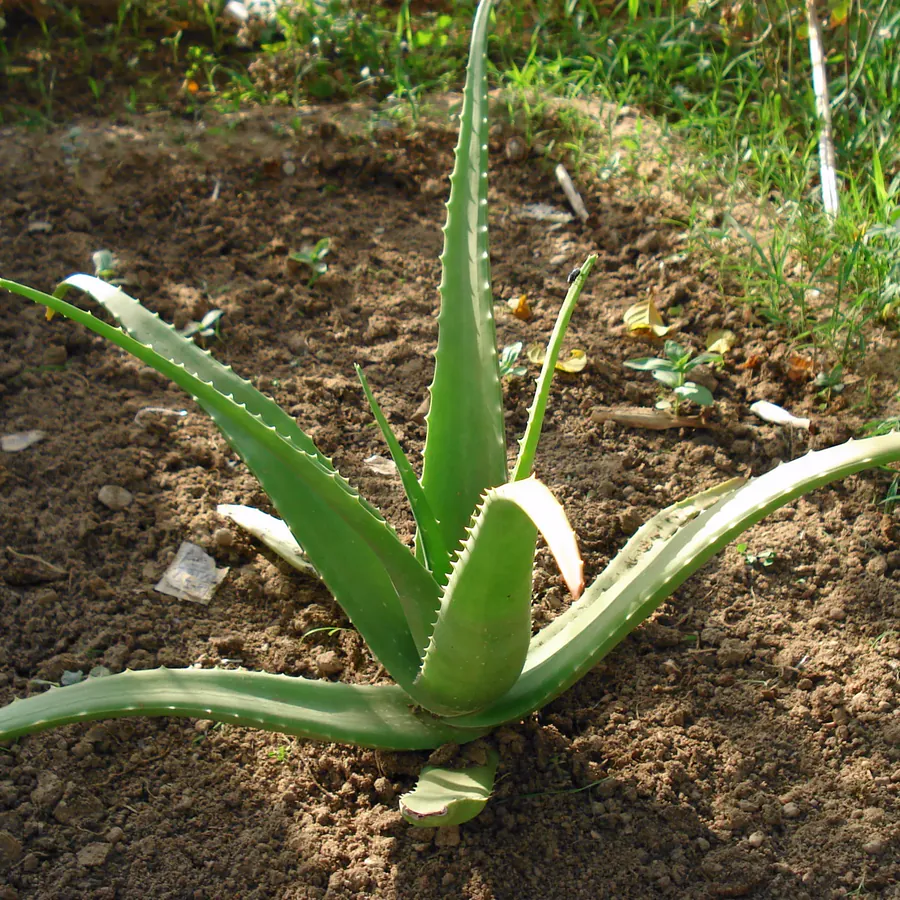
Aloe vera
Aloe vera
The inner leaf gel is chiefly used on skin; the yellow laxative latex requires particular caution.
- Skin and integumentary
- Digestive

Identify a plant, understand how it has been used traditionally and spot the precautions that matter — without getting lost in a long list.
Browse 103 illustrated profiles, search by common or Latin name and explore plants associated with the body’s major systems.
Enter a common or Latin name. You can also choose a body system to narrow the list.

Not sure what the plant is called yet? Choose a starting point. The same plant may appear under several systems.
Each profile brings together identification clues, traditional uses and practical safety notes.
Extra caution
Aloe vera
The inner leaf gel is chiefly used on skin; the yellow laxative latex requires particular caution.
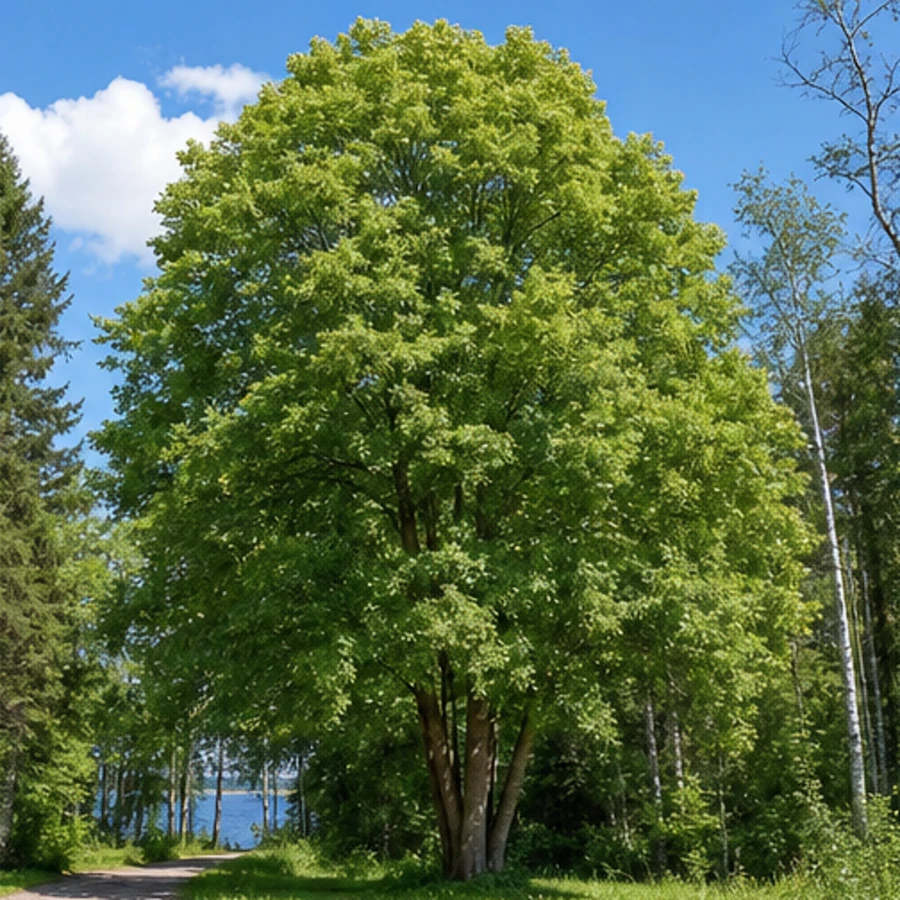
Tilia americana
Bracts and flowers are traditionally associated with relaxation, colds and sweating.
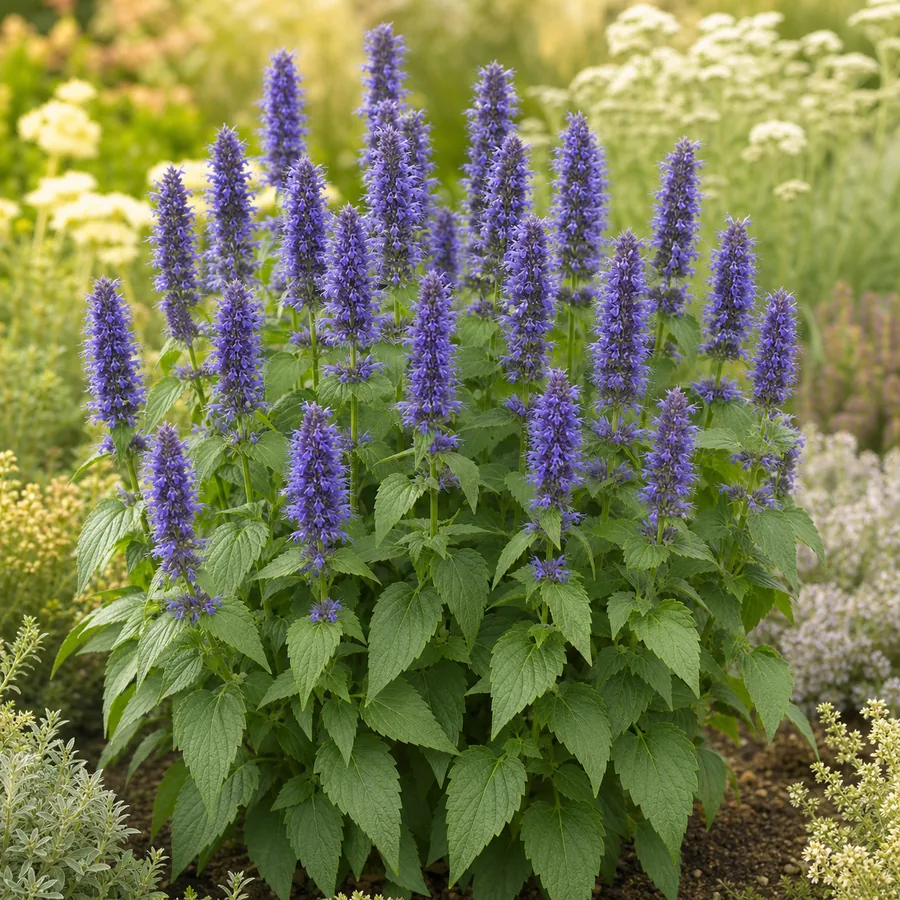
Agastache foeniculum
This anise-scented perennial is valued in herbal tea, medicinal gardens and by pollinating insects.
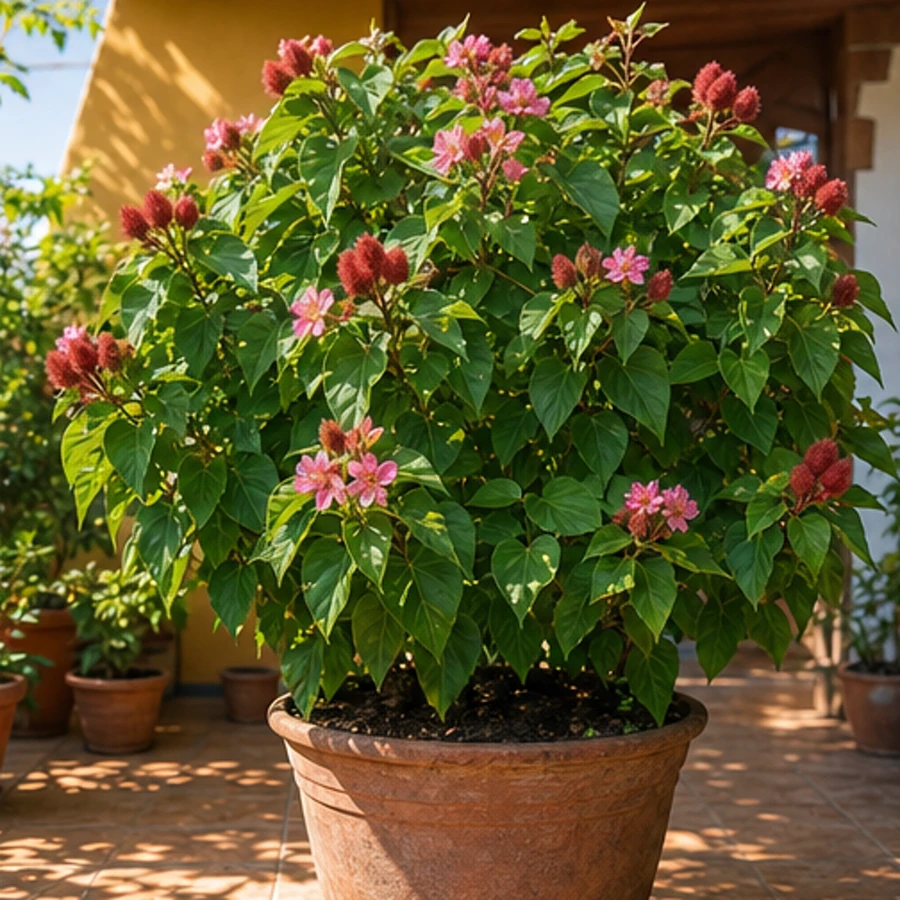
Bixa orellana
Its colouring seeds and leaves have distinct culinary, cosmetic and traditional medicinal uses.
 Extra caution
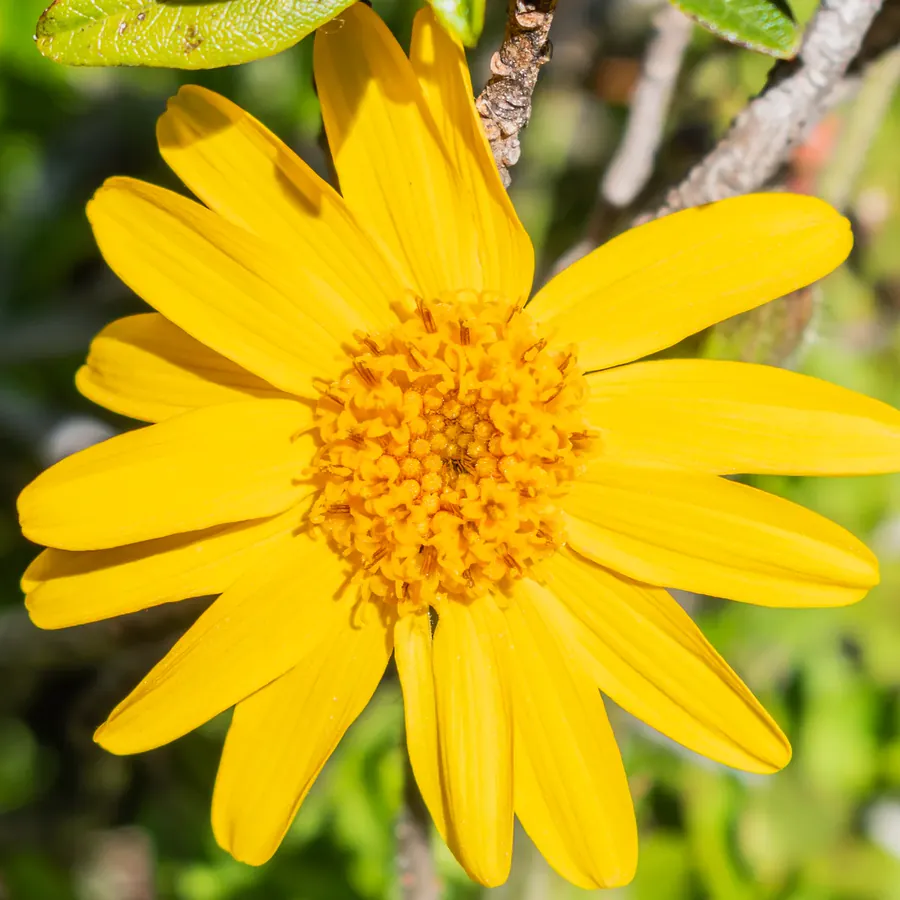
Arnica montana / Arnica chamissonis
Topical arnica preparations are traditionally used after minor injury; the plant must not be swallowed.
 Extra caution
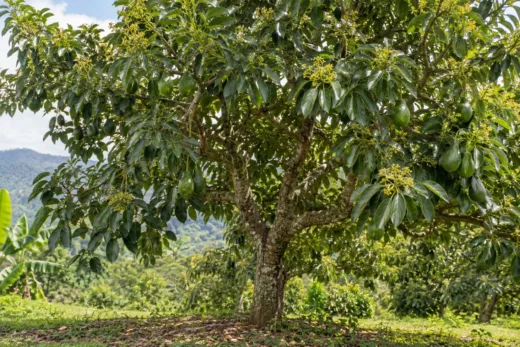
Persea americana
The fruit nourishes and the leaves are made into infusions, each with different uses; the pit contains toxic substances.

Abies balsamea
Its needles and resin are traditionally associated with respiratory comfort, rubs and topical care.
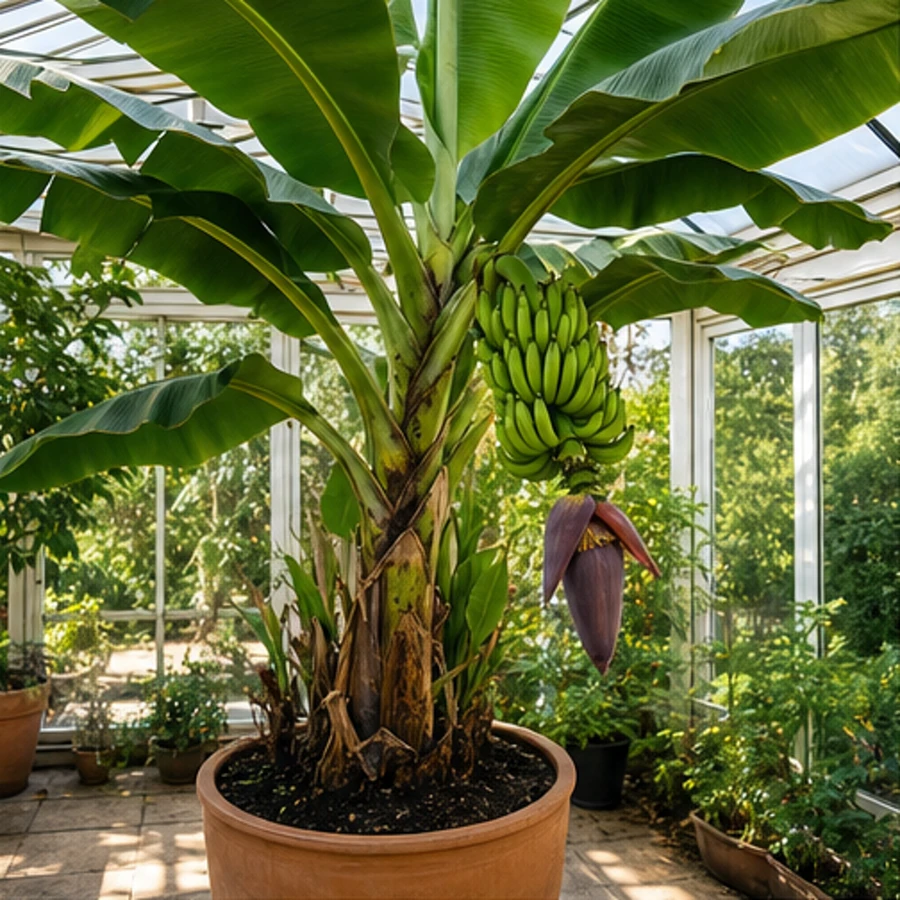
Musa × paradisiaca
Fruit, starch and other banana parts have food and traditional roles that vary with preparation.
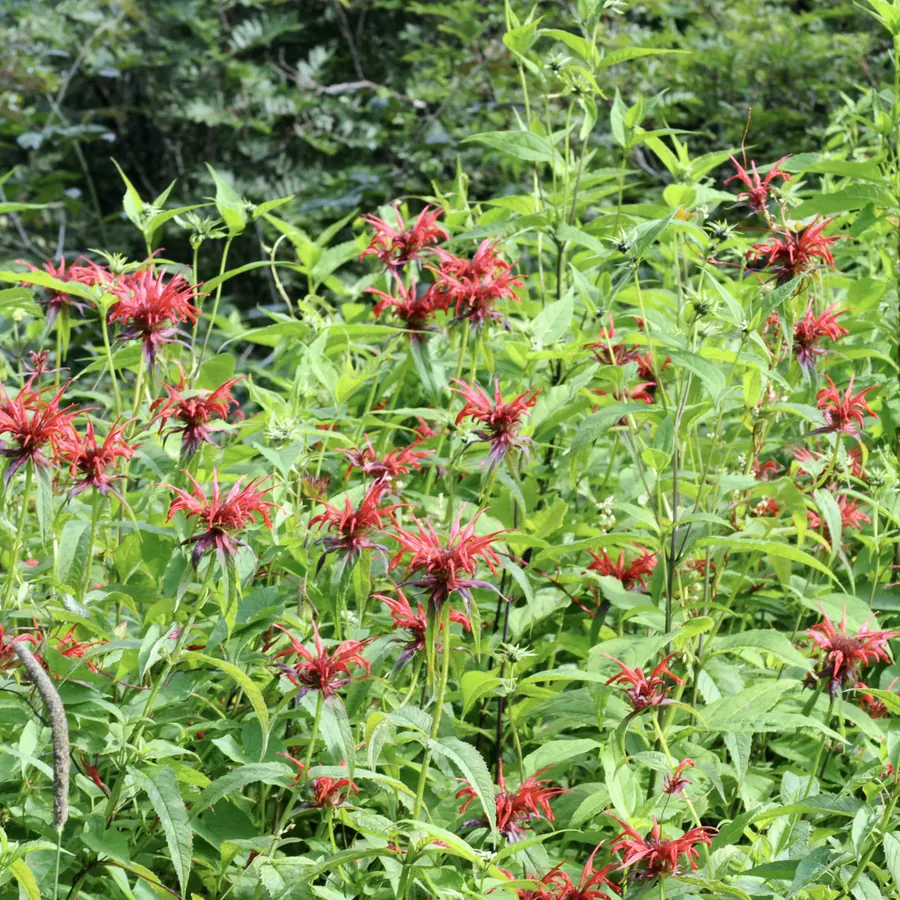
Monarda didyma & Monarda fistulosa
Its aromatic leaves are traditionally associated with digestion, seasonal discomfort and relaxation.

Betula papyrifera
Leaves, bark and sap are not interchangeable; traditions link them especially with drainage and topical care.
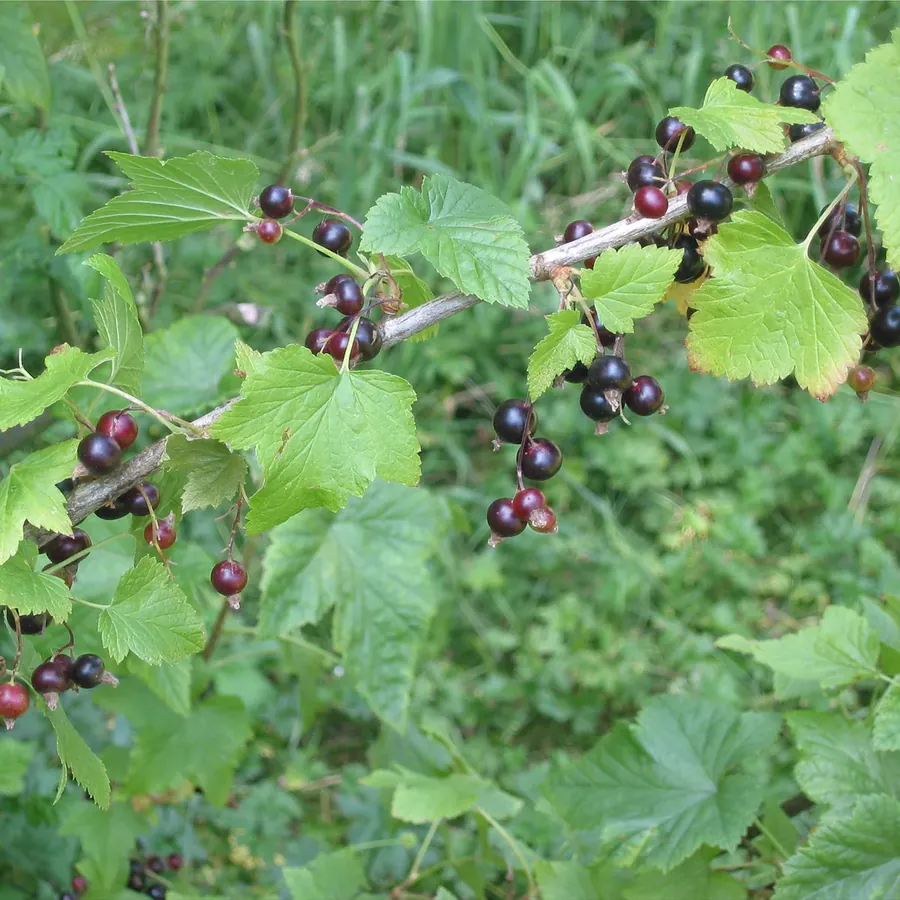
Ribes nigrum
Berries, leaves and seed oil have different compositions and uses, including nutritional and traditional ones.
 Extra caution
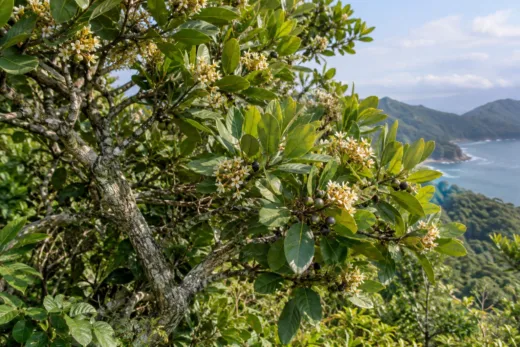
Peumus boldus
Its leaves are traditionally associated with the liver and digestion; they are not suitable for people with gallstones.
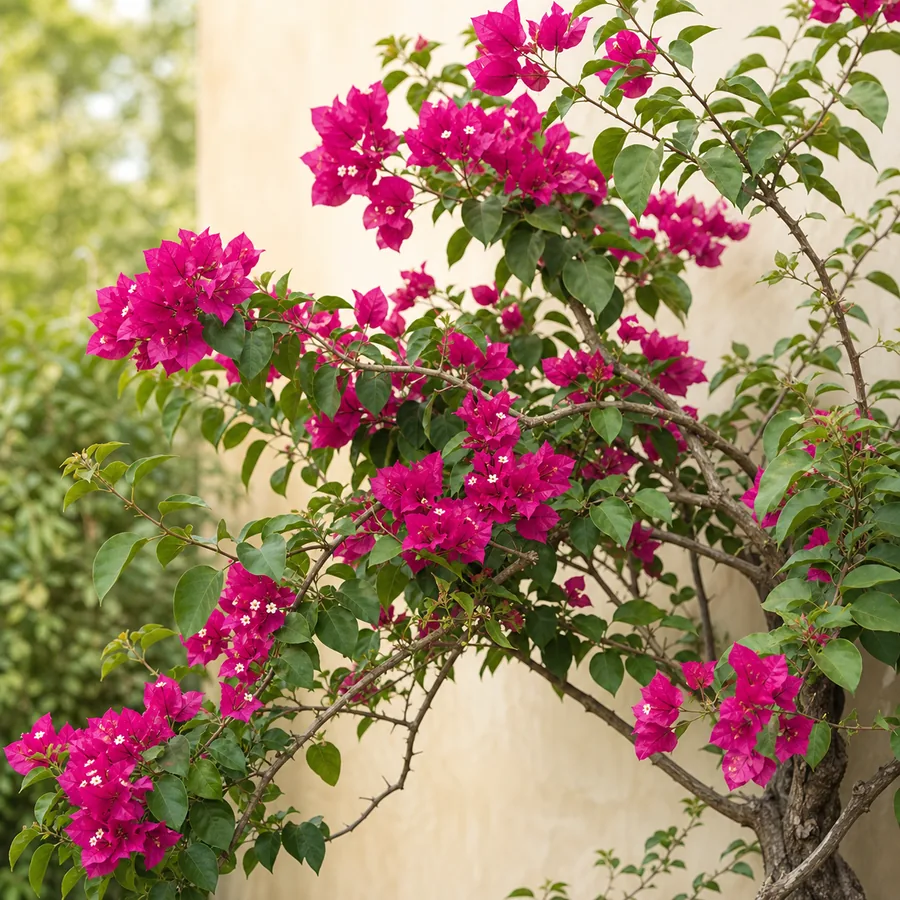
Bougainvillea spp.
This tropical climber is studied for its botany, growing needs and selected traditional uses that call for caution.
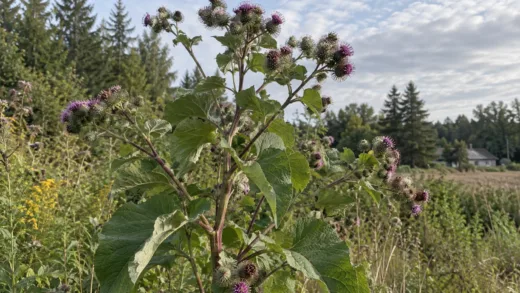
Arctium lappa
Its root is traditionally associated with cleansing the blood and with skin problems.
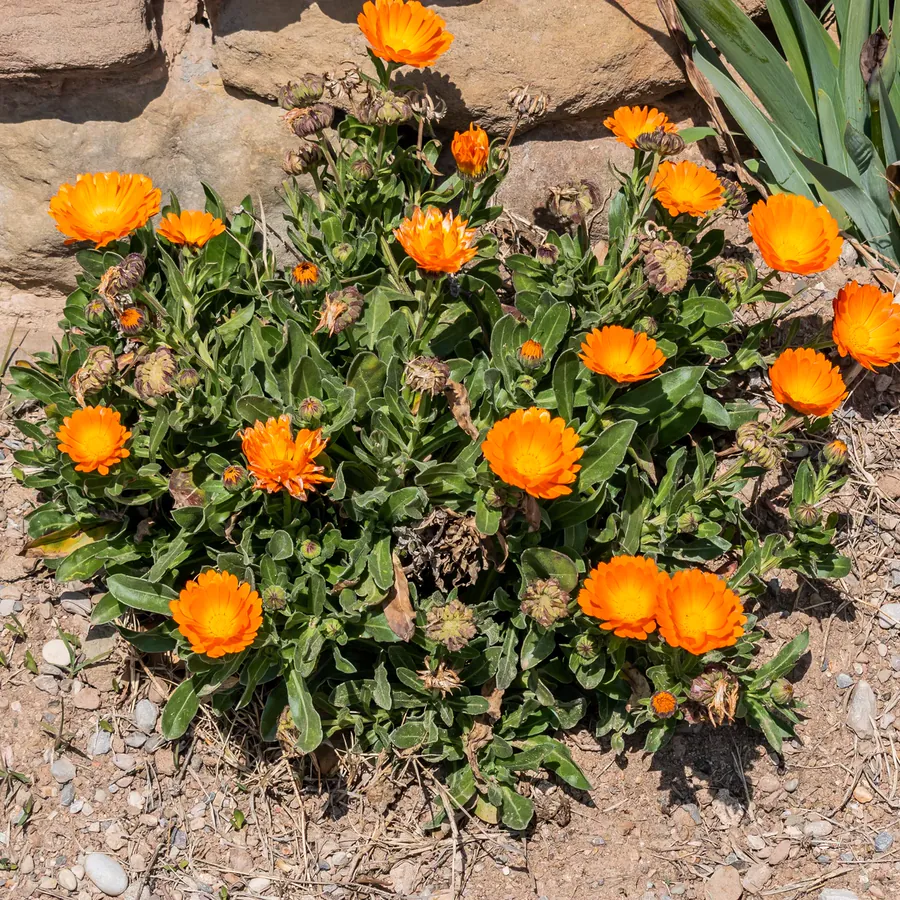
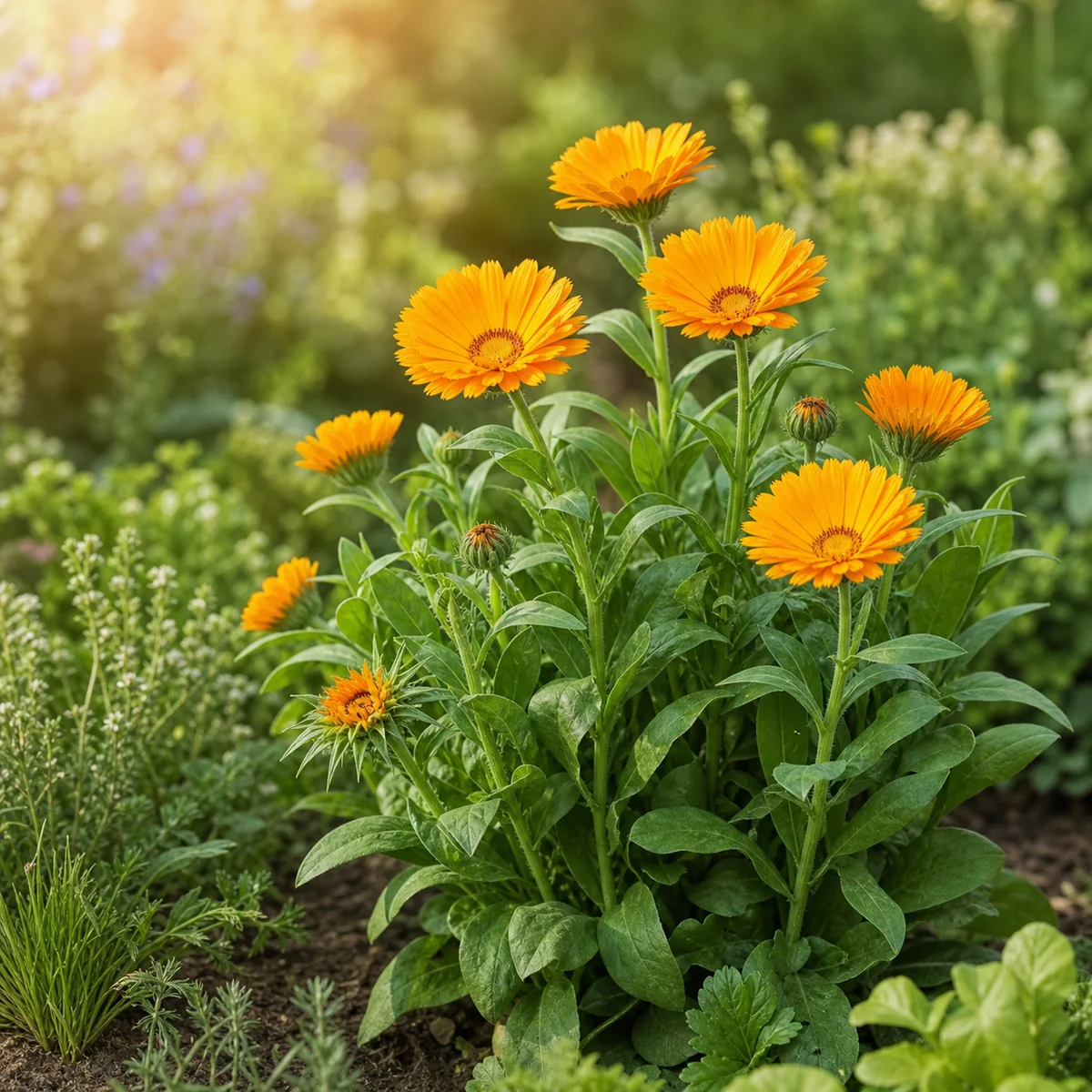
Calendula officinalis
Its orange flower heads are traditionally used in skin care and selected digestive preparations.
 Extra caution
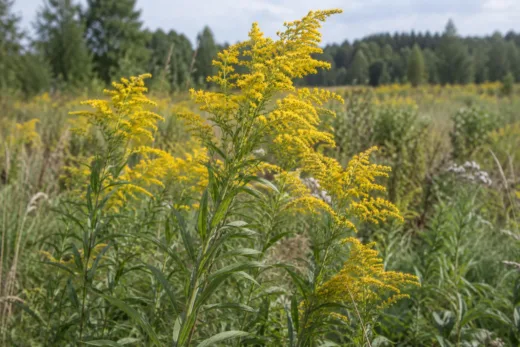
Solidago canadensis
Its flowering tops are traditionally associated with the urinary and respiratory tracts; use caution if the kidneys are fragile.
 Extra caution
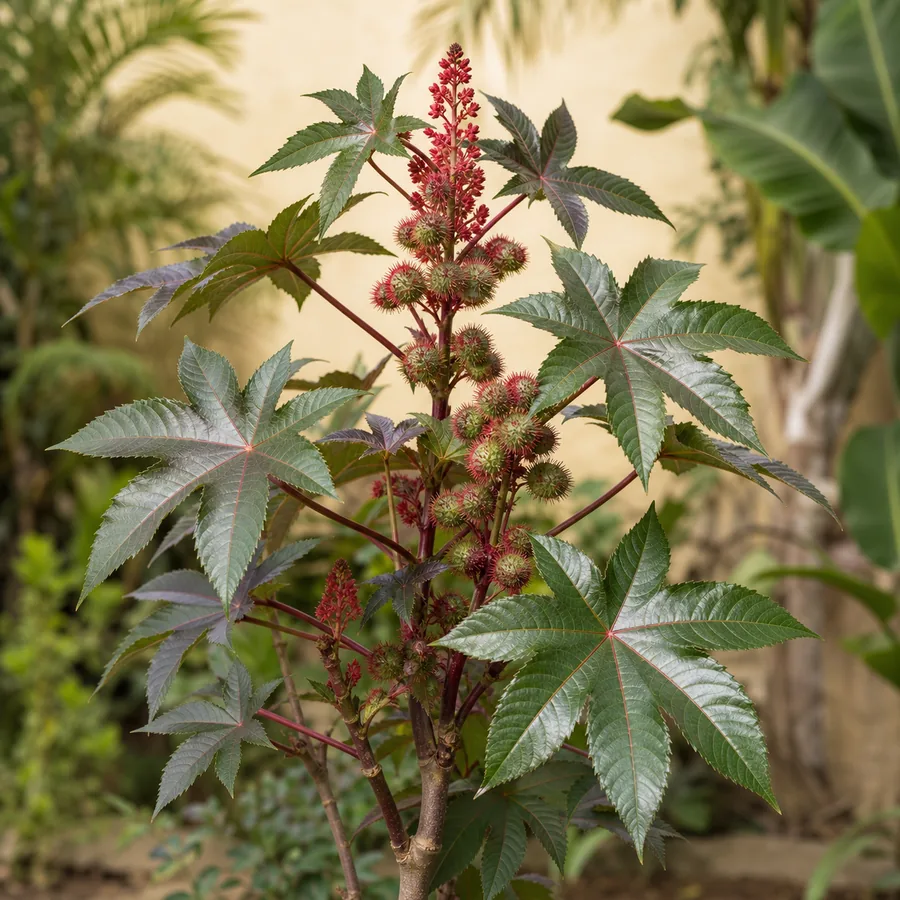
Ricinus communis
Its seeds are highly toxic. Processed castor oil is best known for external cosmetic uses.
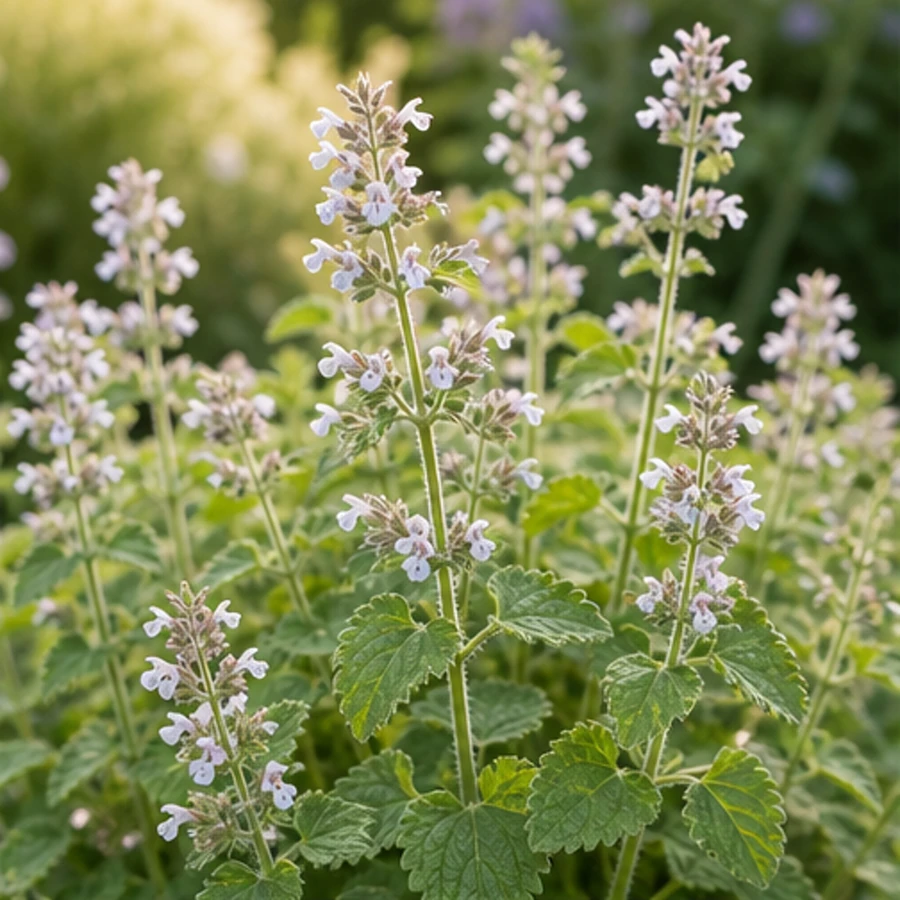
Nepeta cataria
Catnip is traditionally used for gentle relaxation, digestion and selected cold-related discomforts.
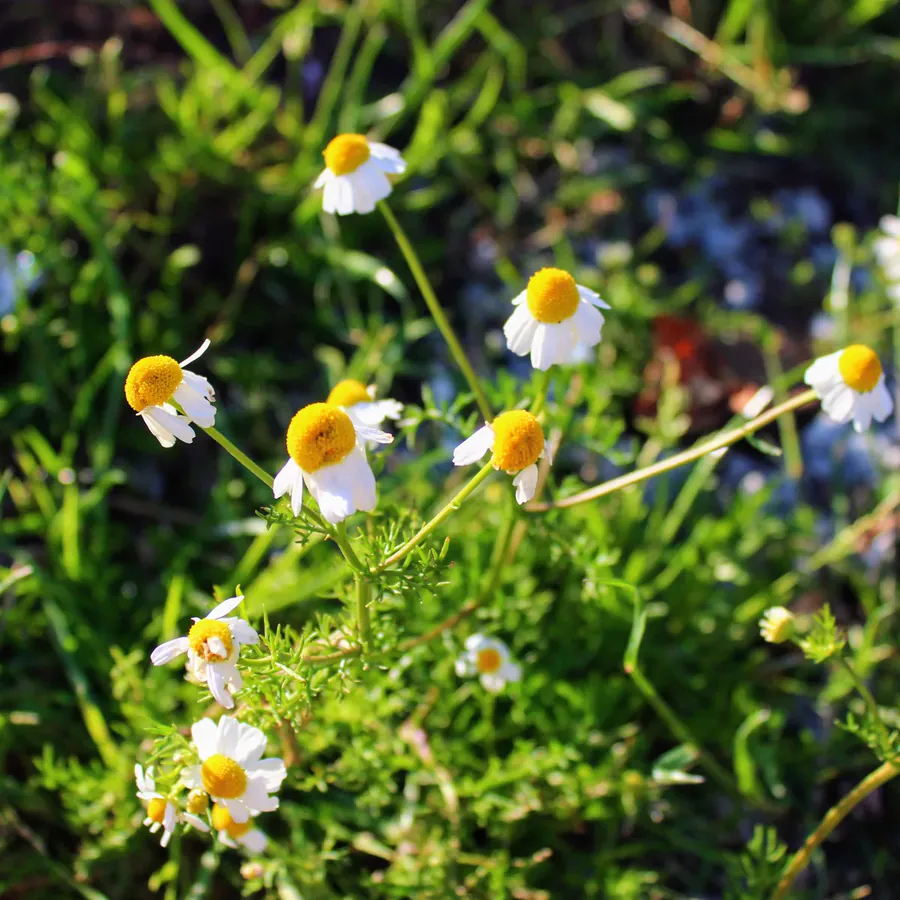
Matricaria chamomilla
Its flower heads are associated with digestive comfort, relaxation and selected topical preparations.
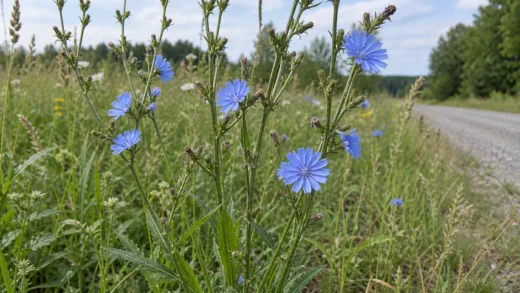
Cichorium intybus
Bitter leaves before meals, the root for the liver; chicory is traditionally associated with digestion.
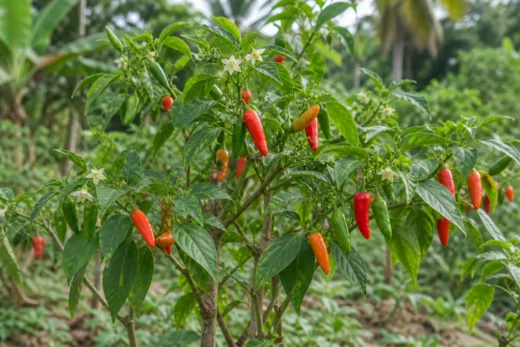 Extra caution
Capsicum spp.
Chili pepper is warming; it is traditionally associated with circulation and pain, but it irritates a sensitive stomach.
 Extra caution
Hibiscus rosa-sinensis
Its flowers are traditionally linked to blood pressure and drainage; use caution with diabetes medications.
 Extra caution
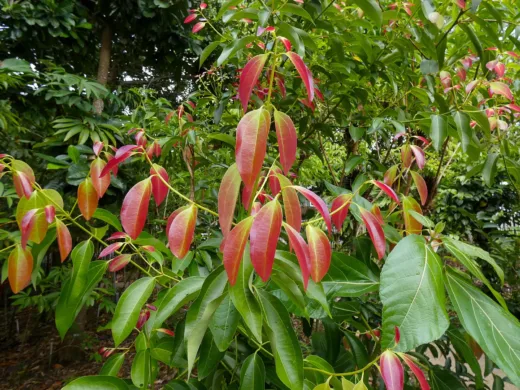
Cinnamomum verum
Its bark, cinnamon, is traditionally linked to digestion; its essential oil irritates the skin if it is not diluted.
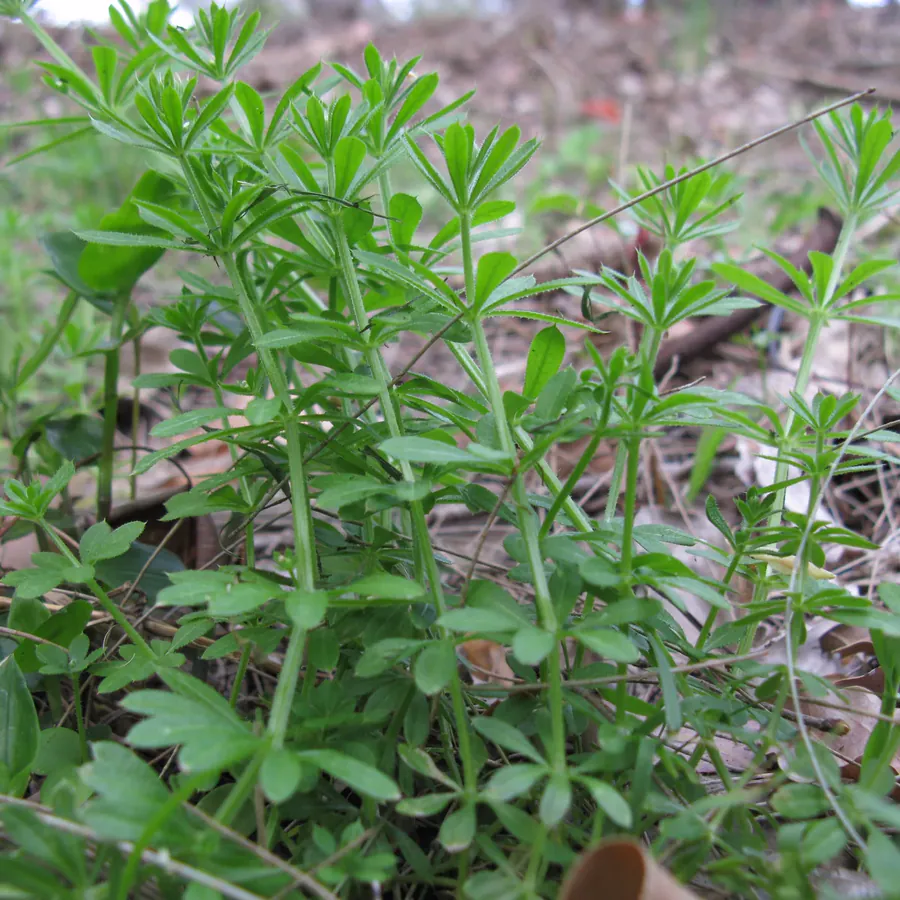
Galium aparine
This wild plant is traditionally associated with the lymphatic system, urinary support and topical preparations.

Cocos nucifera
Coconut water, flesh and oil have different nutritional and topical profiles and are not interchangeable.
 Extra caution
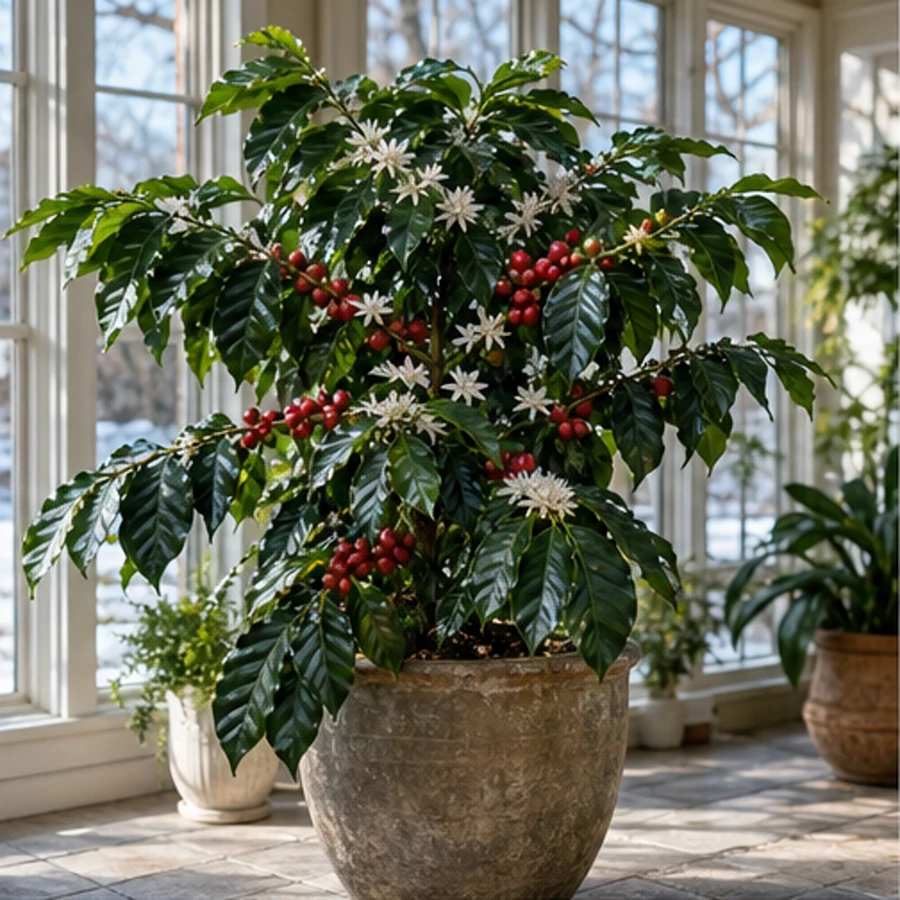
Coffea arabica
Coffee acts chiefly through caffeine; effects on alertness, heart, sleep and digestion depend on dose.
 Extra caution
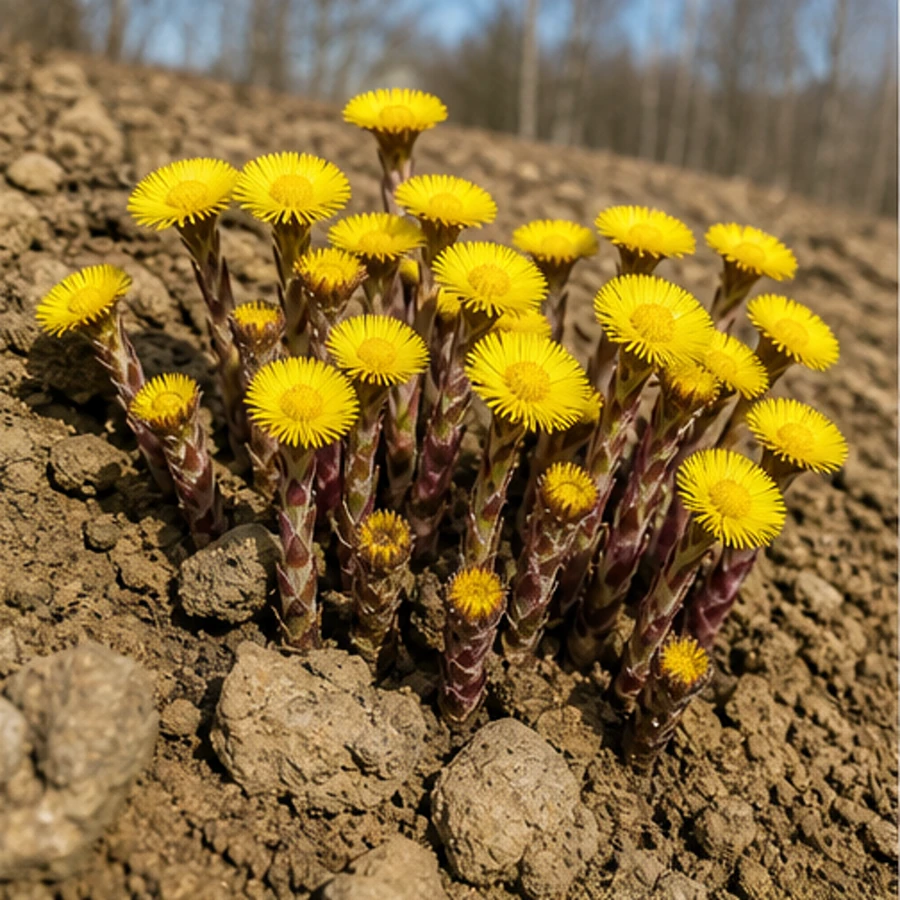
Tussilago farfara
Coltsfoot belongs to respiratory tradition, but its pyrrolizidine alkaloids make self-treatment concerning.
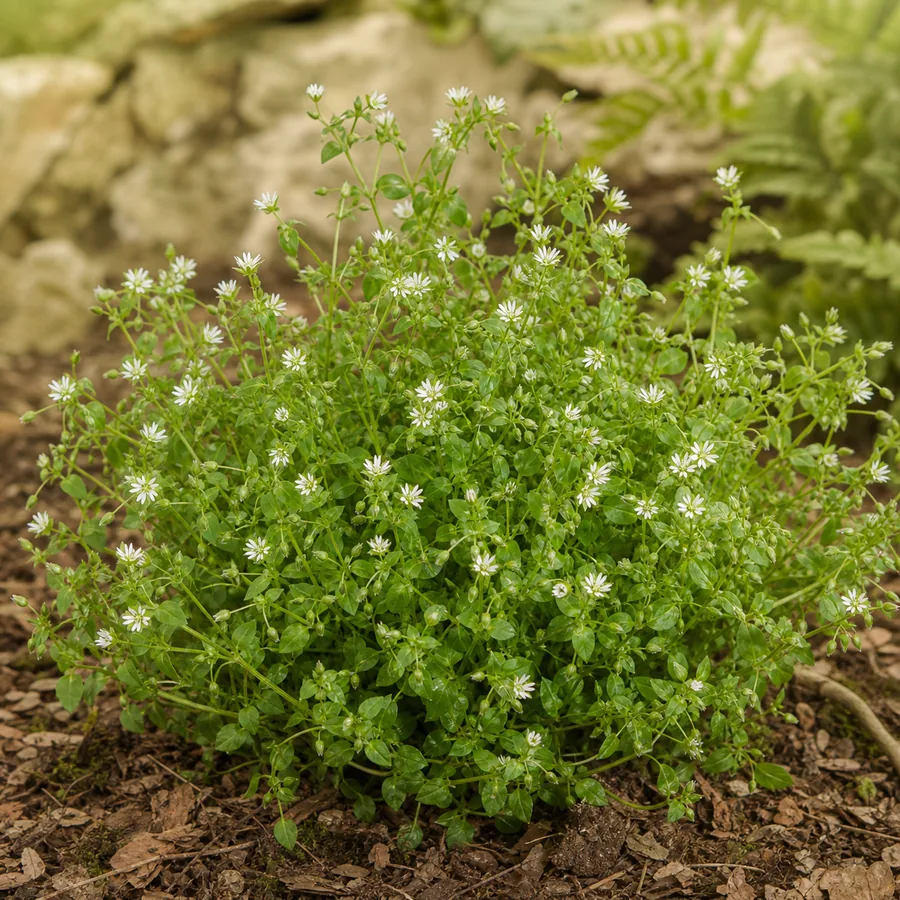
Stellaria media
This small edible wild plant is traditionally associated with skin care, gentle drainage and digestive comfort.
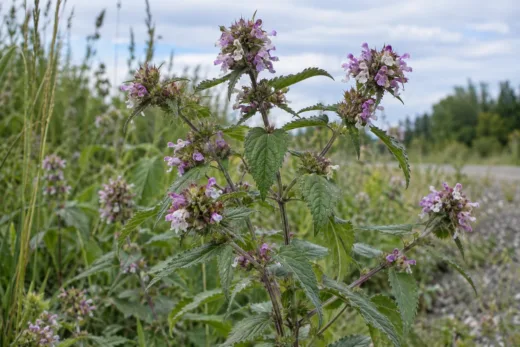
Galeopsis tetrahit
Its flowering tops are traditionally associated with the respiratory tract and urinary drainage.
 Extra caution
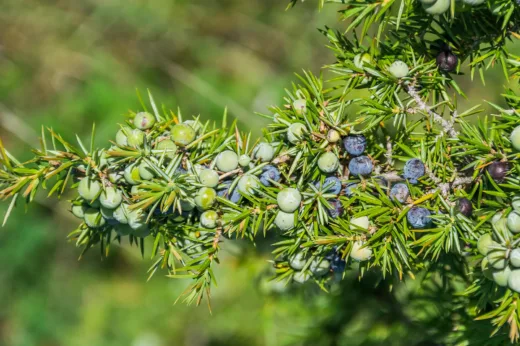
Juniperus communis
In gemmotherapy, its young shoots are traditionally linked to the liver and kidneys; use caution with certain medications.
 Extra caution
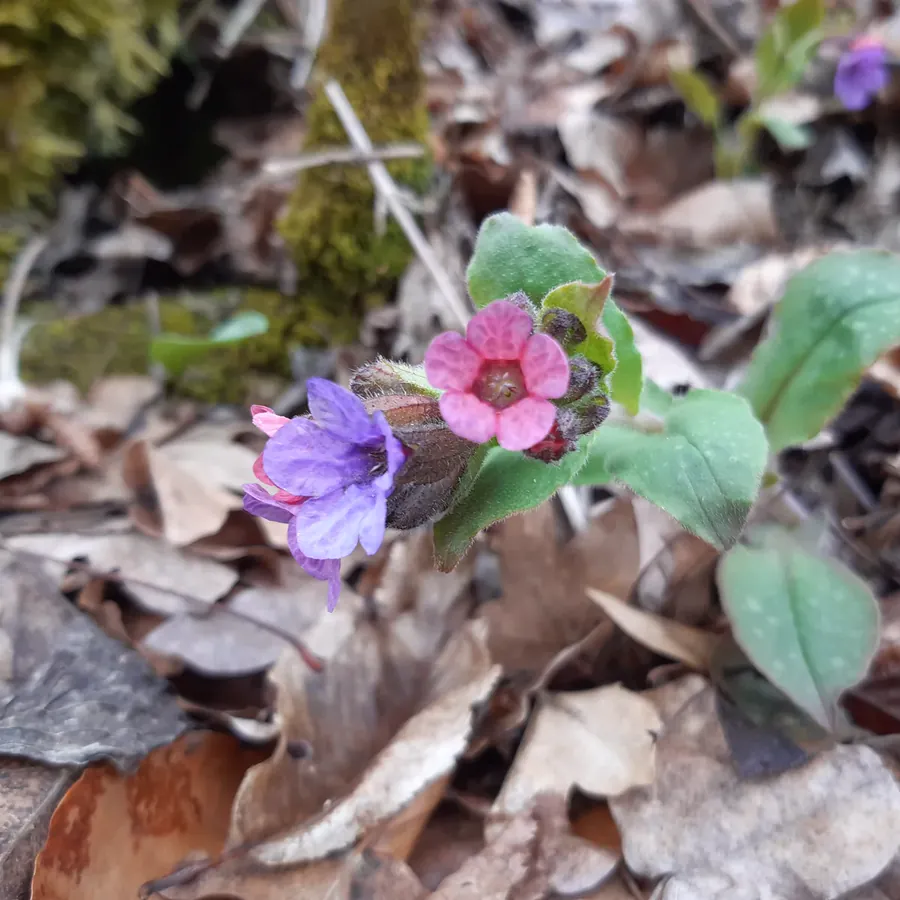
Pulmonaria officinalis
Lungwort has a long respiratory and topical tradition, but internal safety calls for substantial caution.
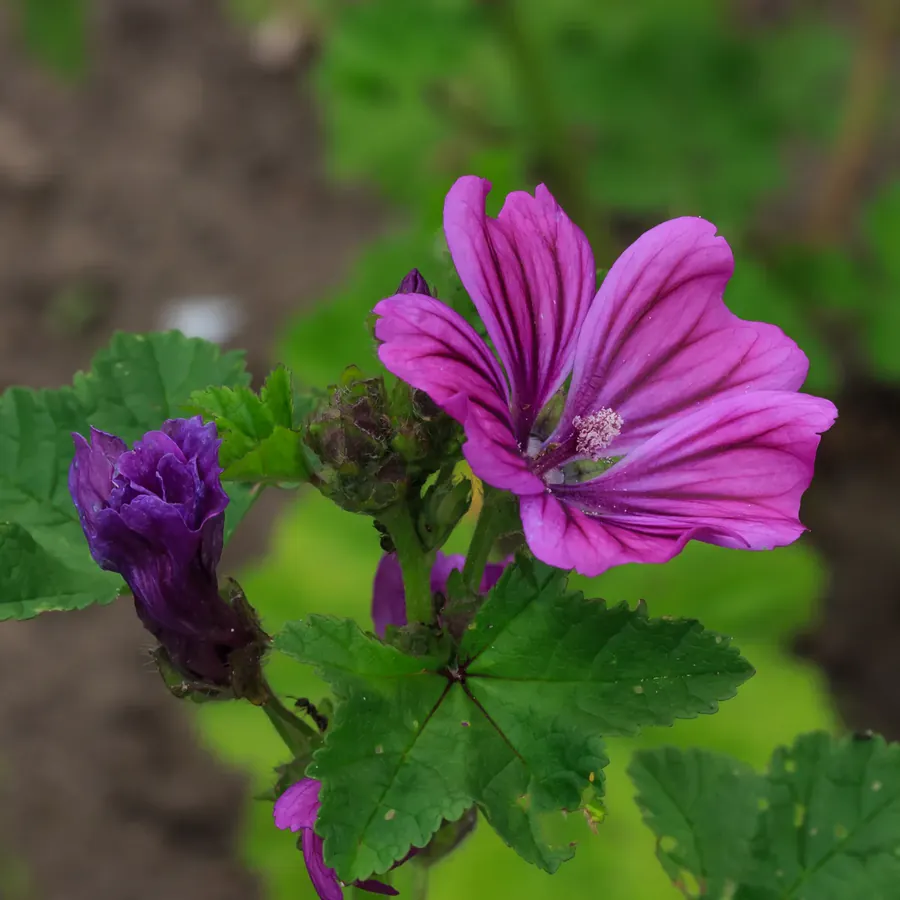
Malva sylvestris
Its mucilage is traditionally associated with soothing respiratory, digestive and skin tissues.
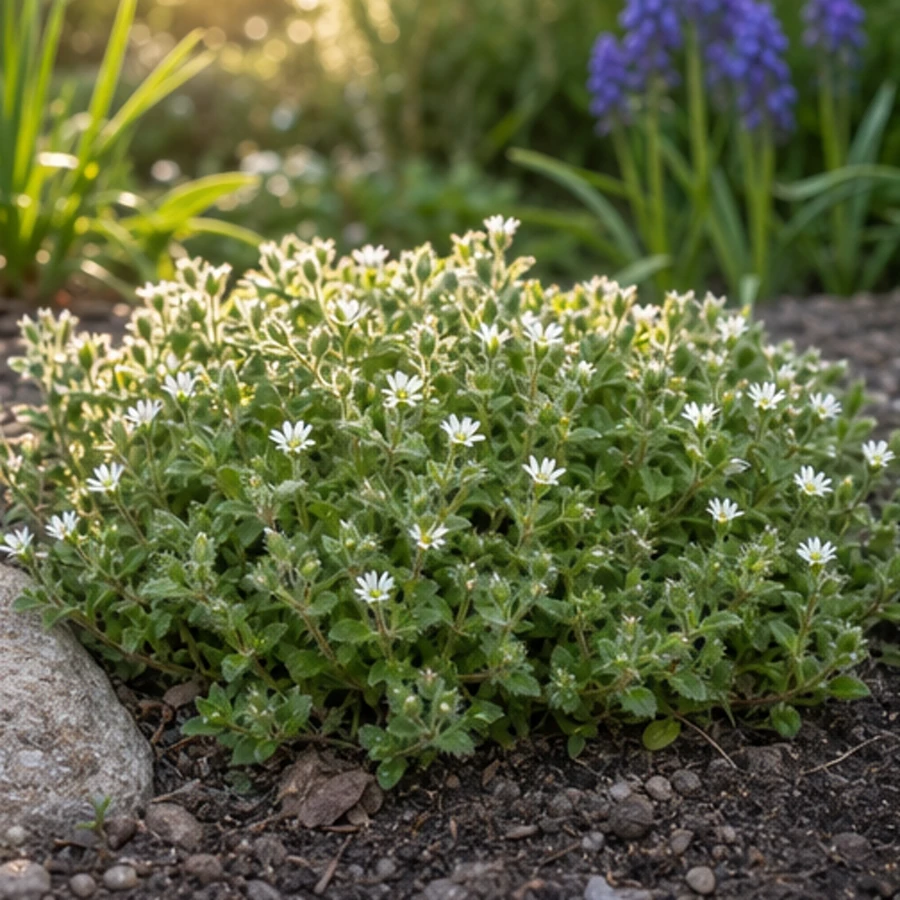
Cerastium fontanum
This small pink-family plant has limited folk uses and differs from chickweed through its hairy leaves.
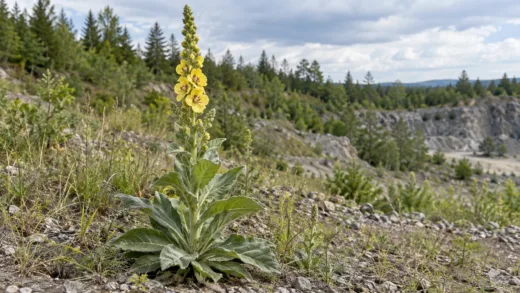
Verbascum thapsus
Its leaves and flowers are traditionally associated with the respiratory tract; the tea must be well strained because of the hairs.
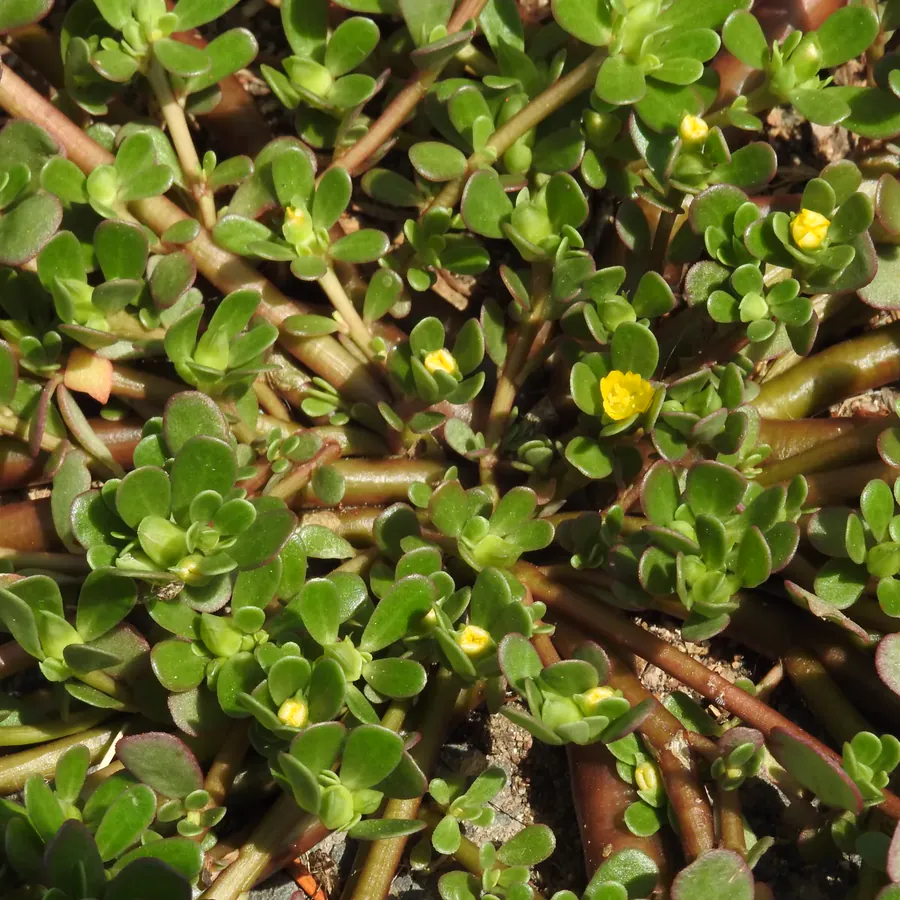
Portulaca oleracea
Its omega-3-rich succulent leaves are valued as food and in selected traditional uses.
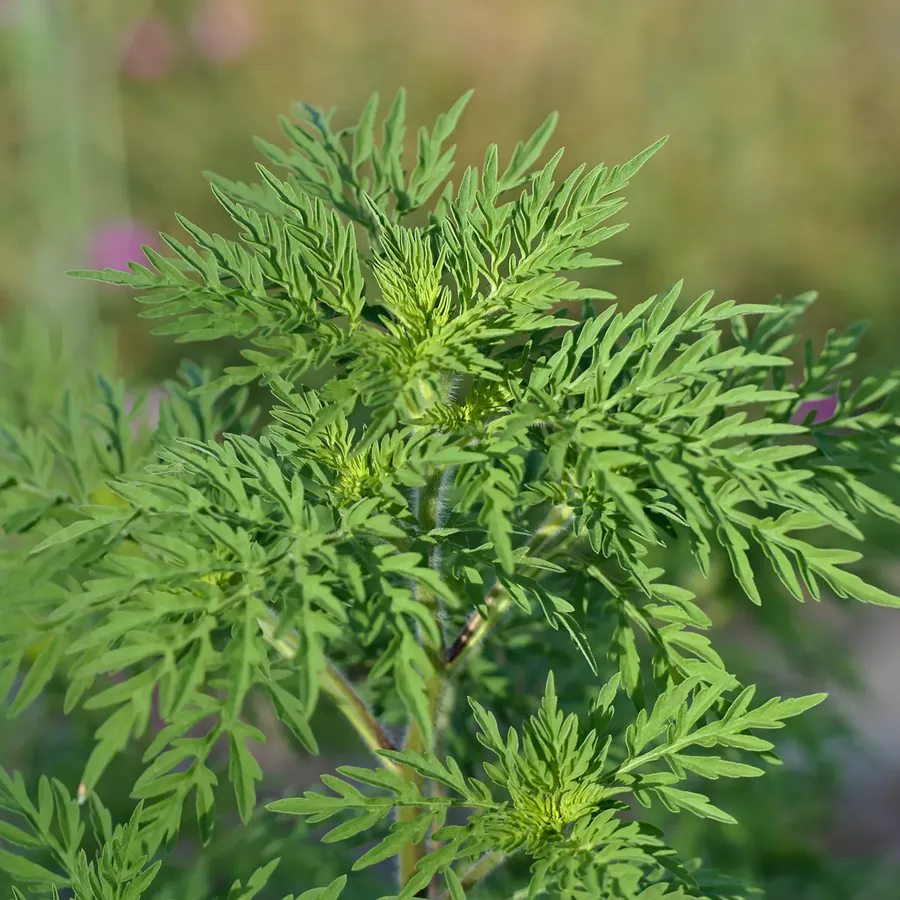 Extra caution
Ambrosia artemisiifolia
Best known as a major respiratory allergen, common ragweed also has traditional uses that need context.
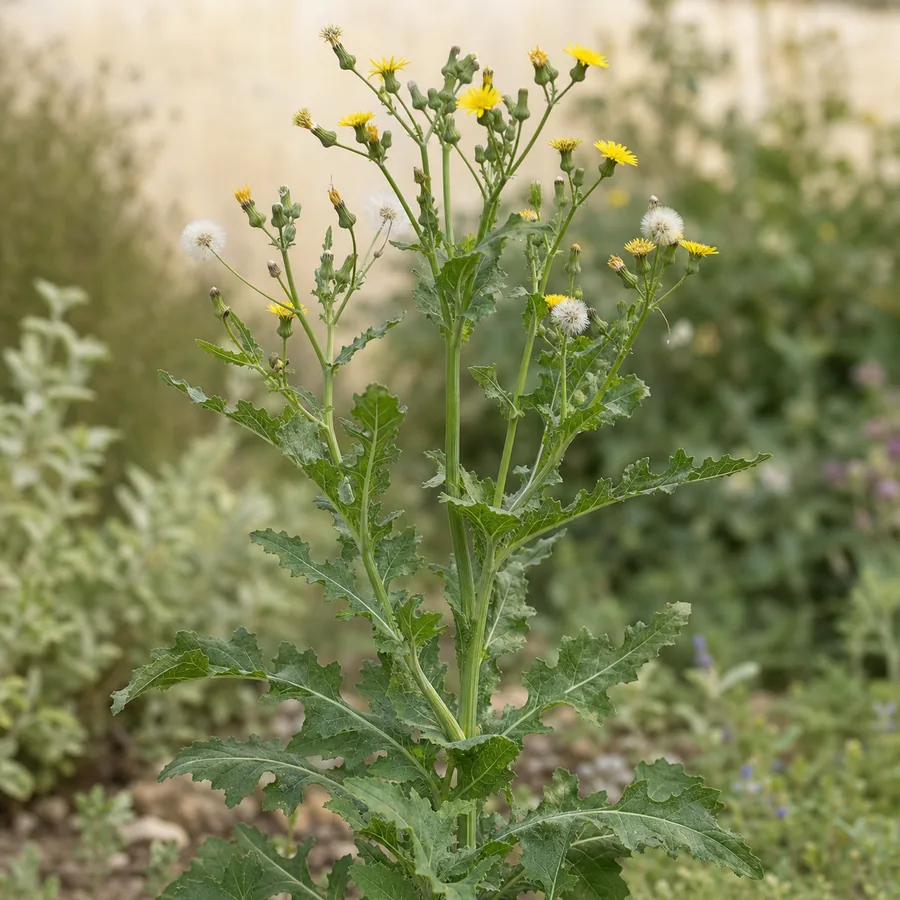
Sonchus oleraceus
Its young leaves are edible. The profile helps with identification and explains its cautious traditional uses.
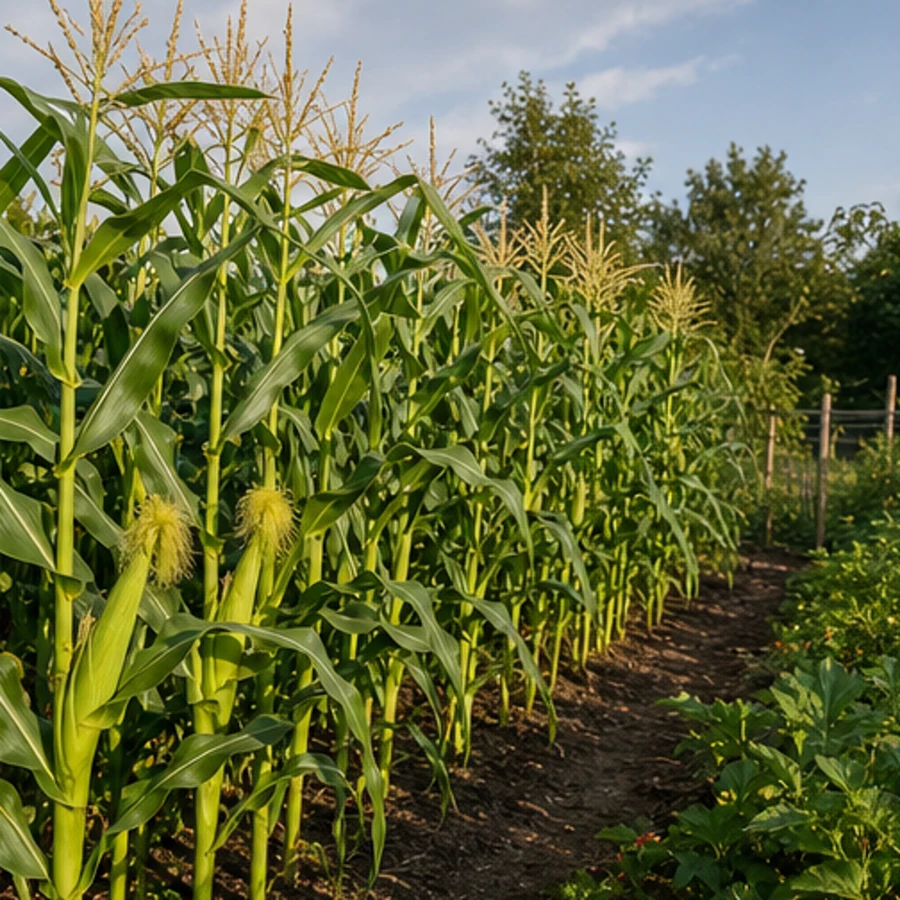
Zea mays
The grain is food, while corn silk belongs chiefly to urinary traditions. Each part needs separate consideration.
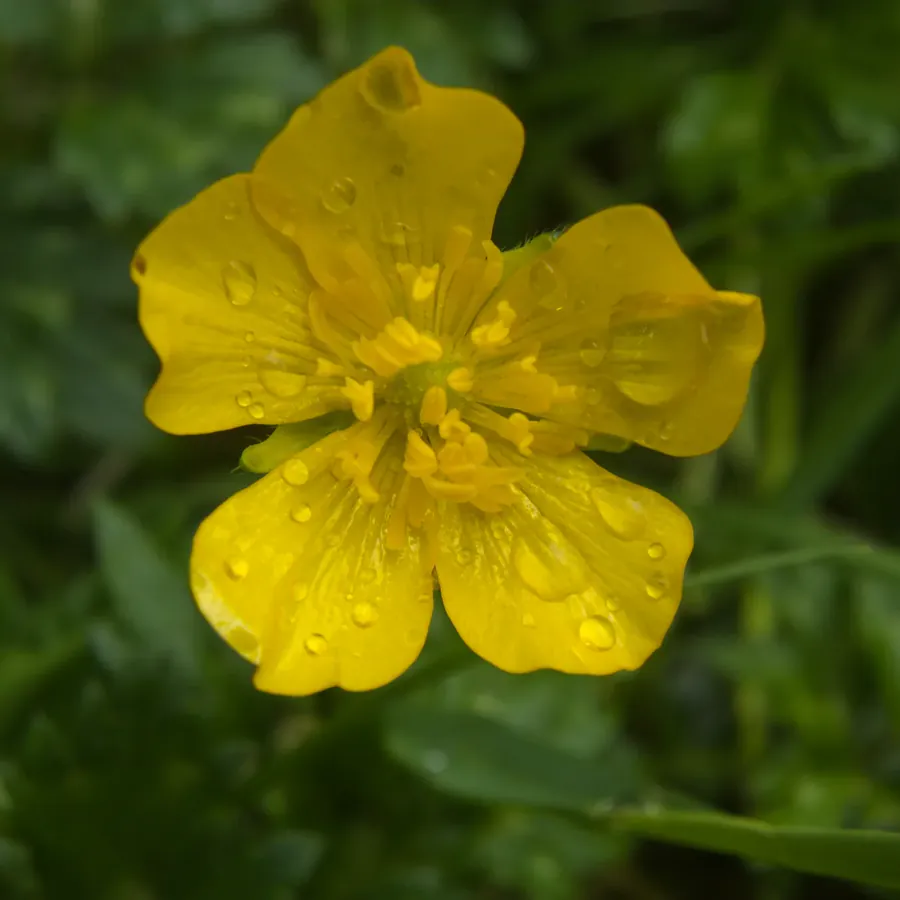 Extra caution
Ranunculus repens
Toxic when fresh, it is most useful as an indicator of damp soils. Its medicinal use is very limited.
Read the profile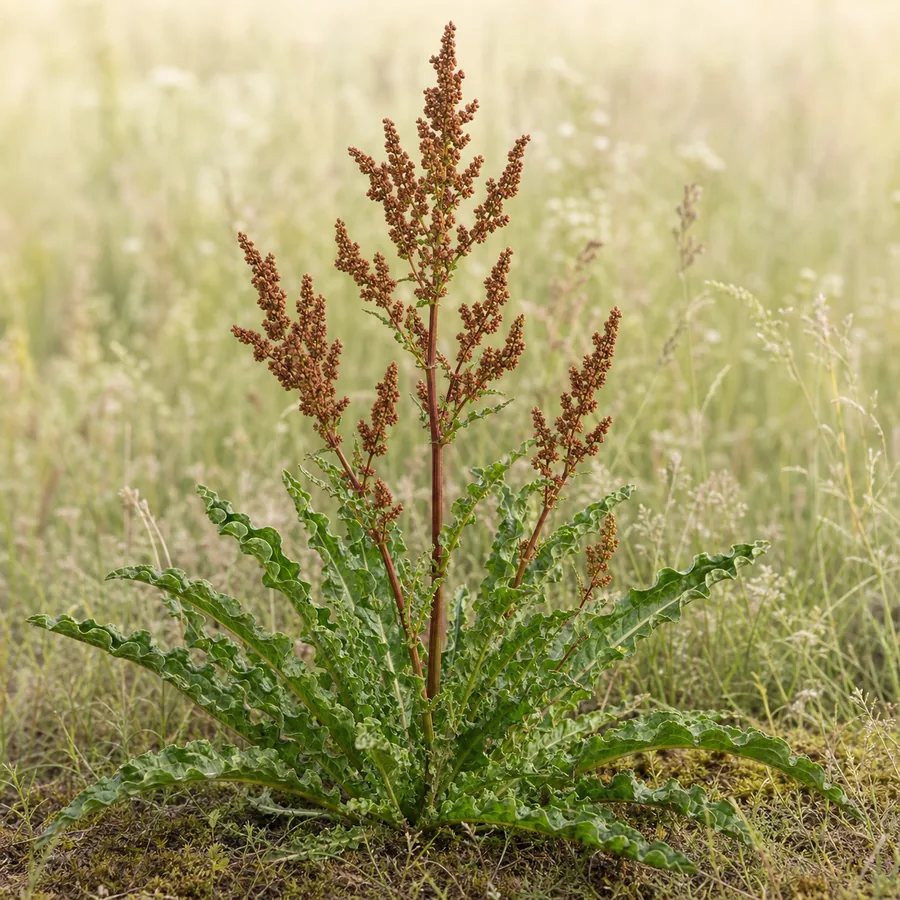
Rumex crispus
This wild plant is mainly studied for its root, its traditional digestive uses and the precautions that come with them.
 Extra caution
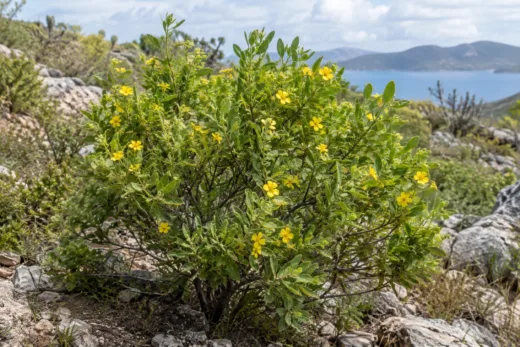
Turnera diffusa
Its leaves are traditionally associated with libido and mood; they may interact with certain medications.
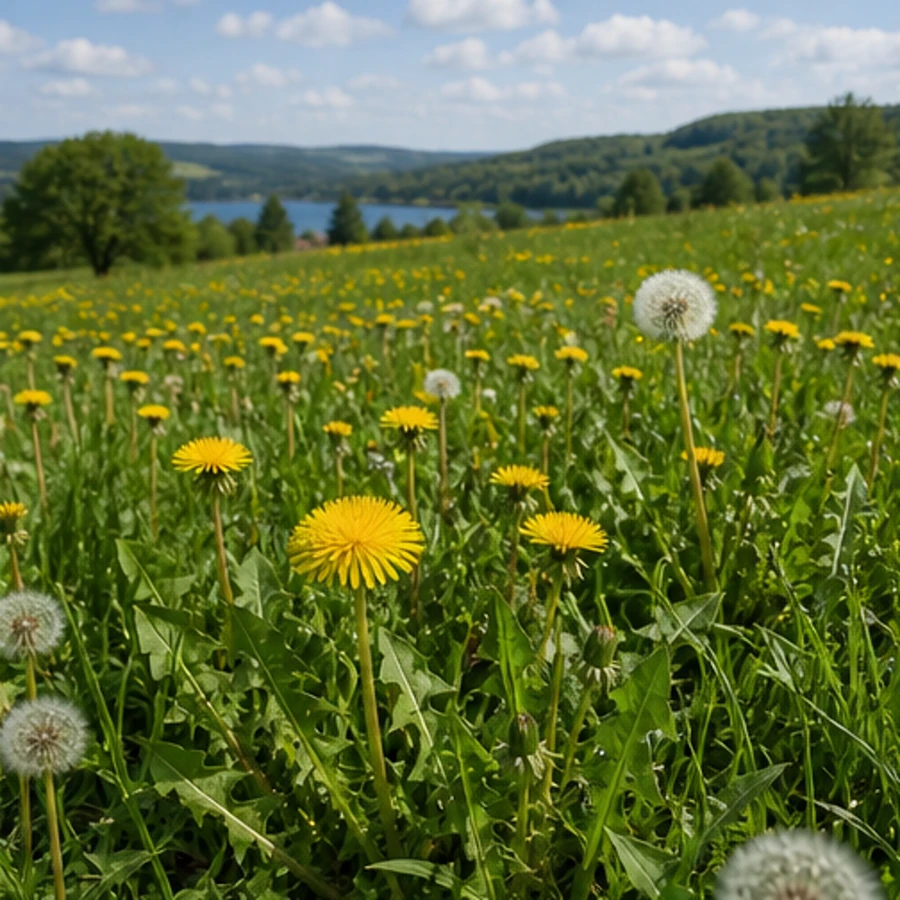
Taraxacum officinale
Root and leaves are traditionally linked with digestion and drainage but are not used in the same way.
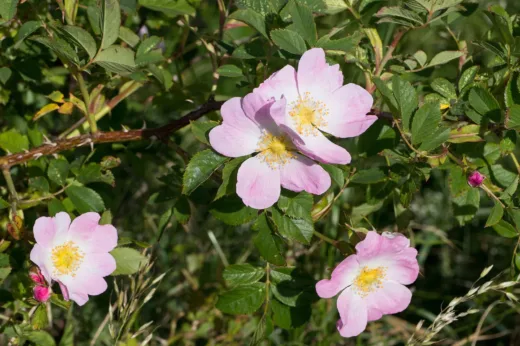
Rosa canina
In gemmotherapy, its young shoots are traditionally used for the nose, throat, ears and lungs.
 Extra caution
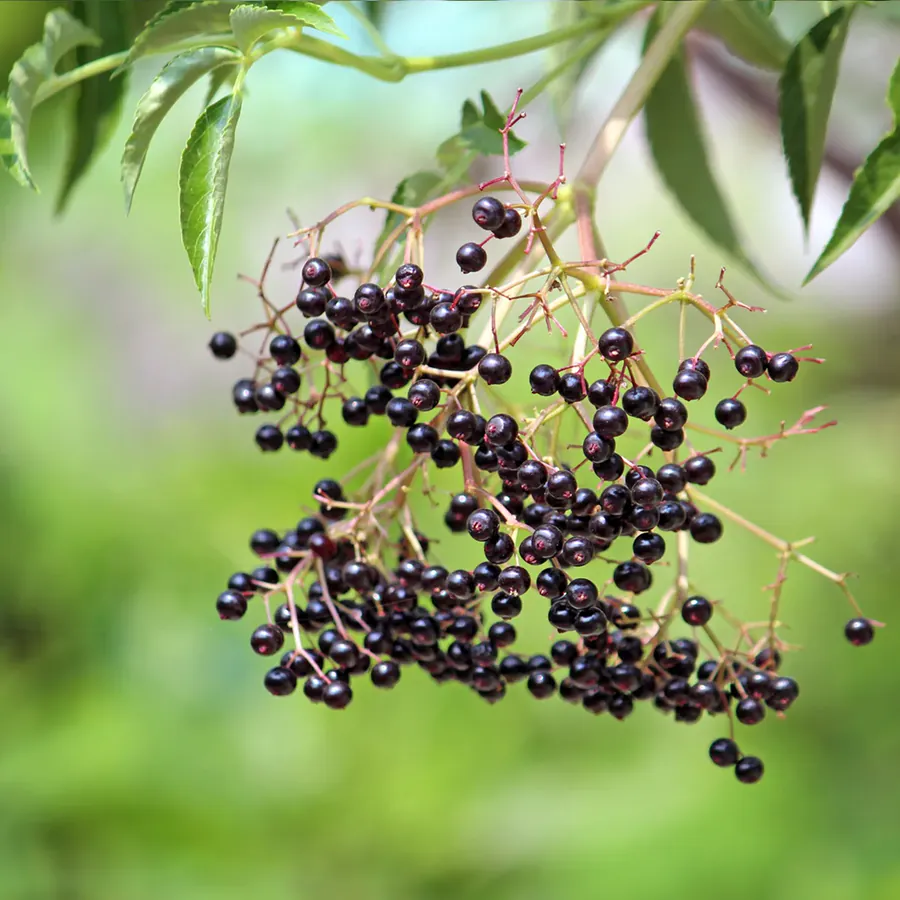
Sambucus canadensis & Sambucus nigra
Flowers and cooked ripe fruit are associated with seasonal comfort; green parts and raw fruit require caution.
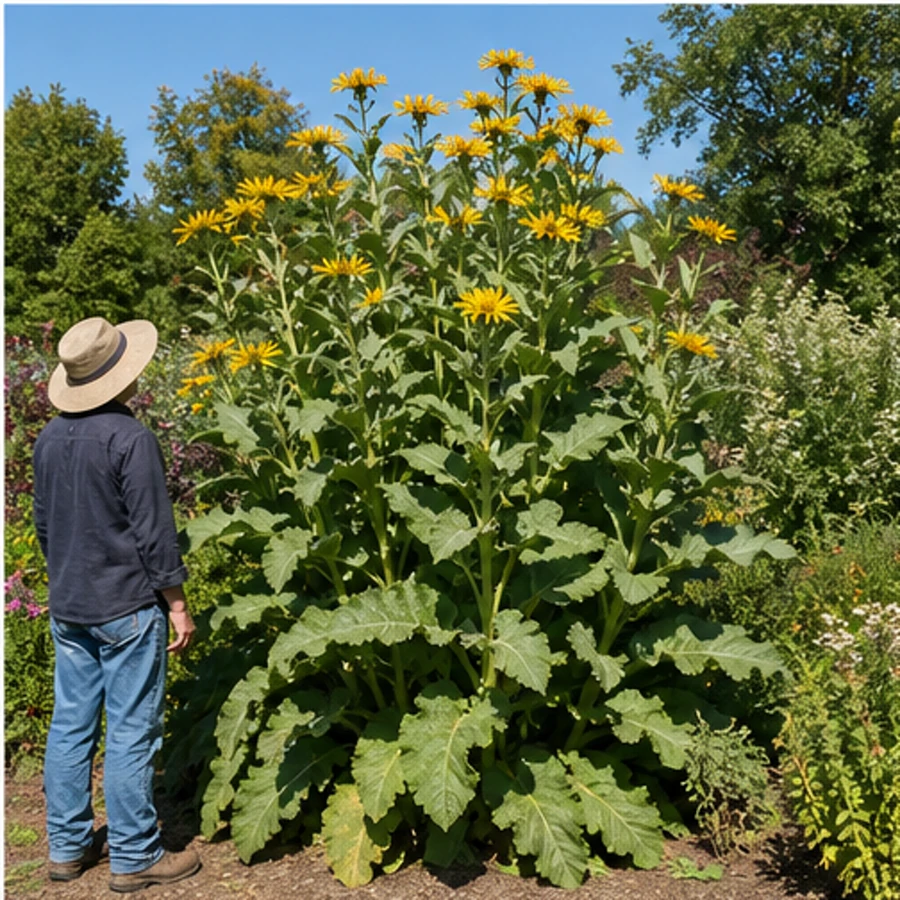
Inula helenium
Its aromatic root is traditionally associated with respiratory secretions and digestion.
 Extra caution
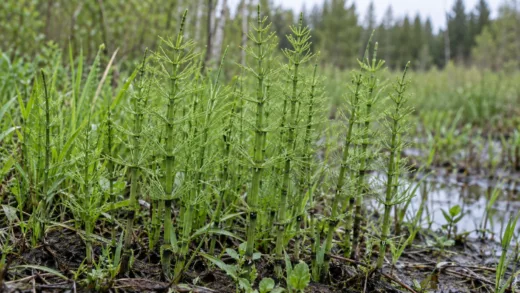
Equisetum arvense
Rich in silica, it is traditionally associated with hair, nails and bones; marsh horsetail, on the other hand, is toxic.
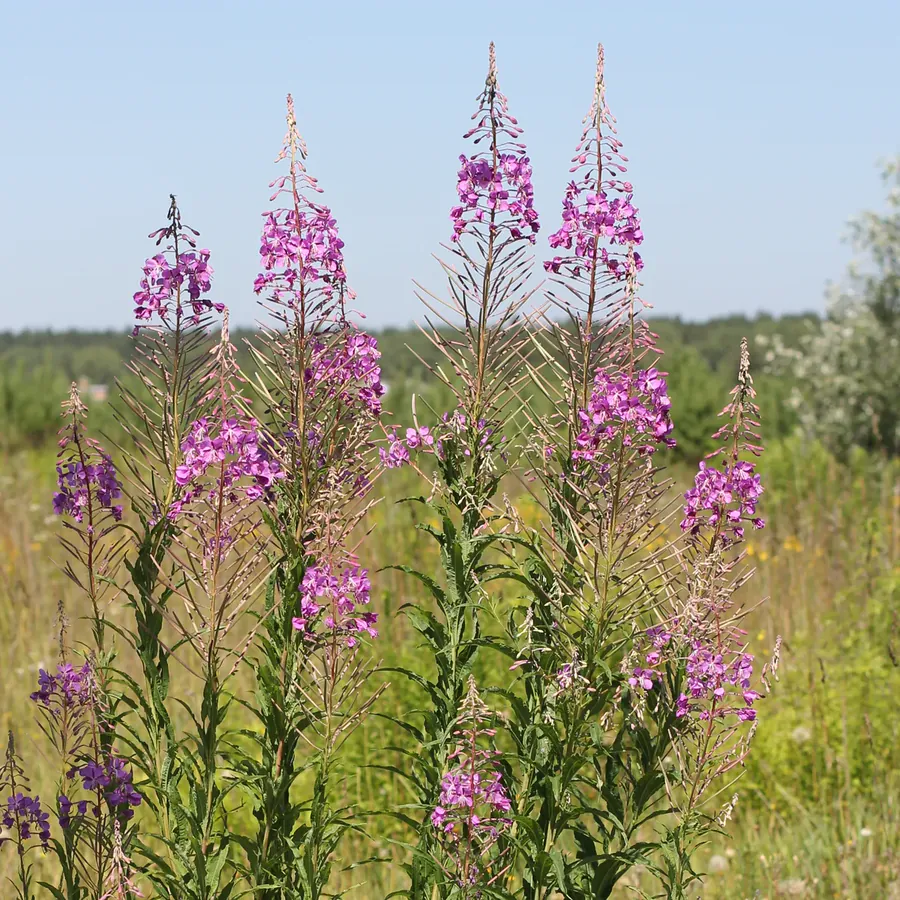
Chamaenerion angustifolium
Young shoots, leaves and flowers have food and traditional uses, including digestive, urinary and topical ones.
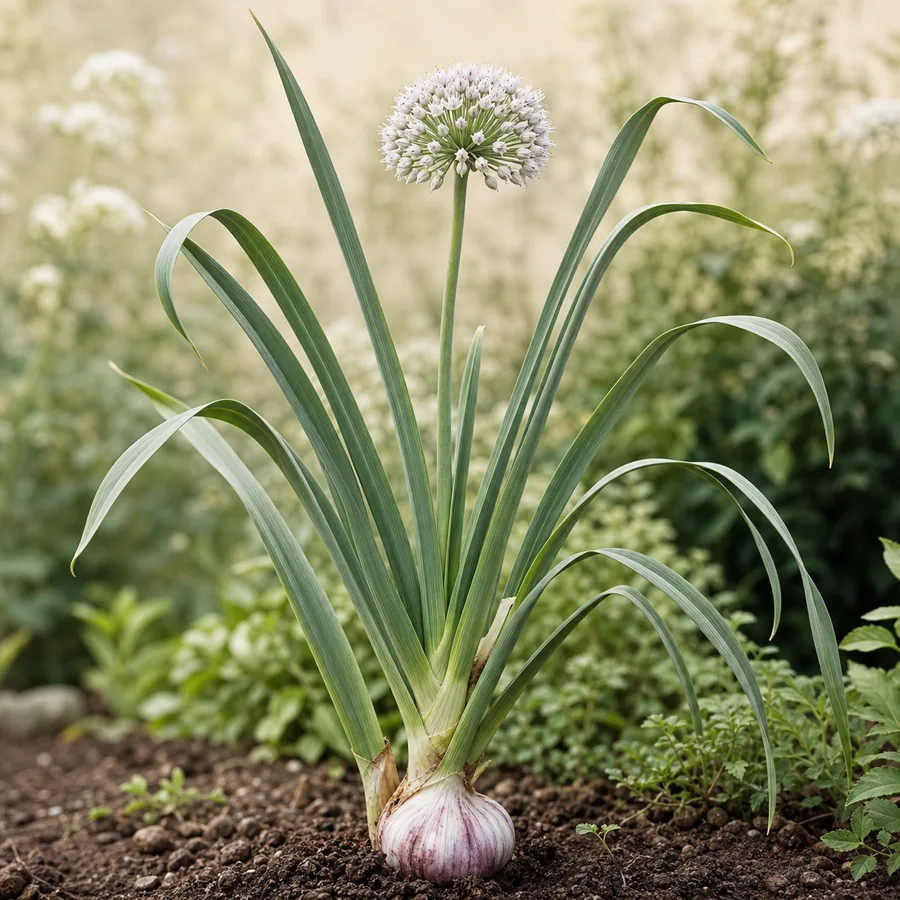
Allium sativum
Its bulb is traditionally used to support seasonal wellness, immune function and cardiovascular health.
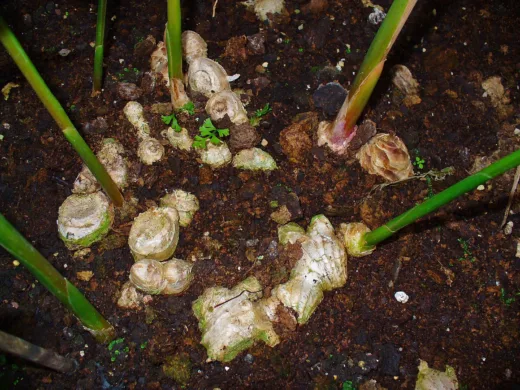
Zingiber officinale
Its pungent rhizome is traditionally associated with digestion and nausea; in excess, it irritates the stomach.
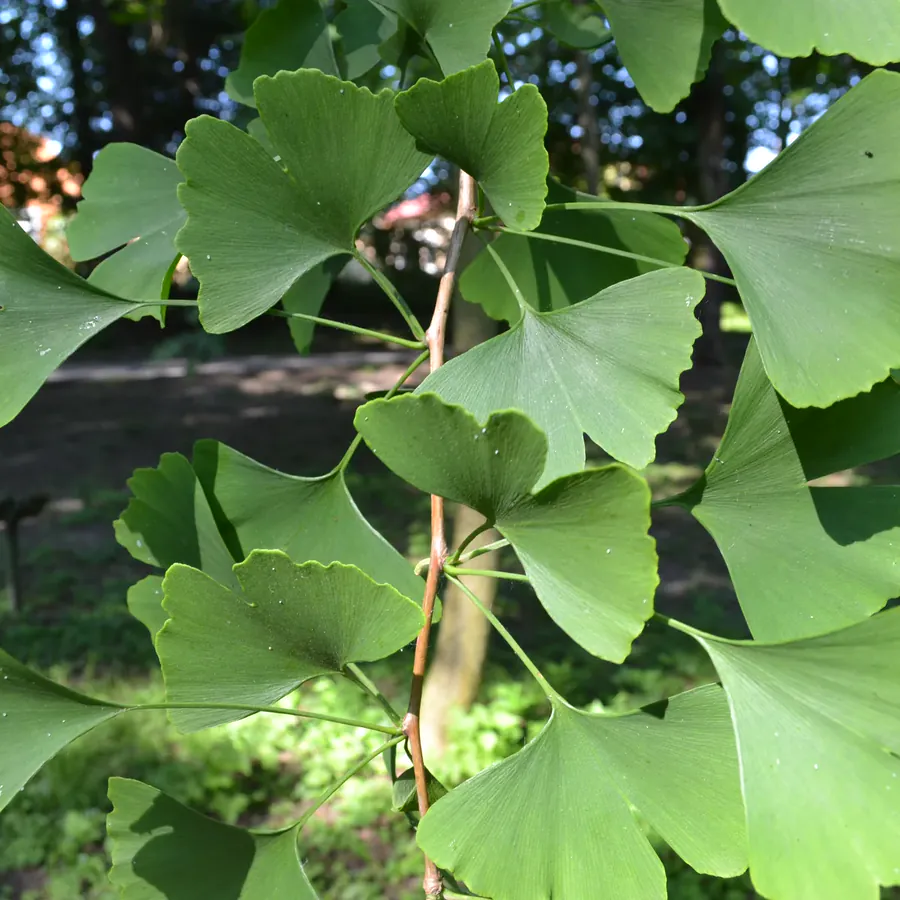 Extra caution
Ginkgo biloba
Standardized leaf extracts are studied for circulation and cognition; raw seeds are toxic.
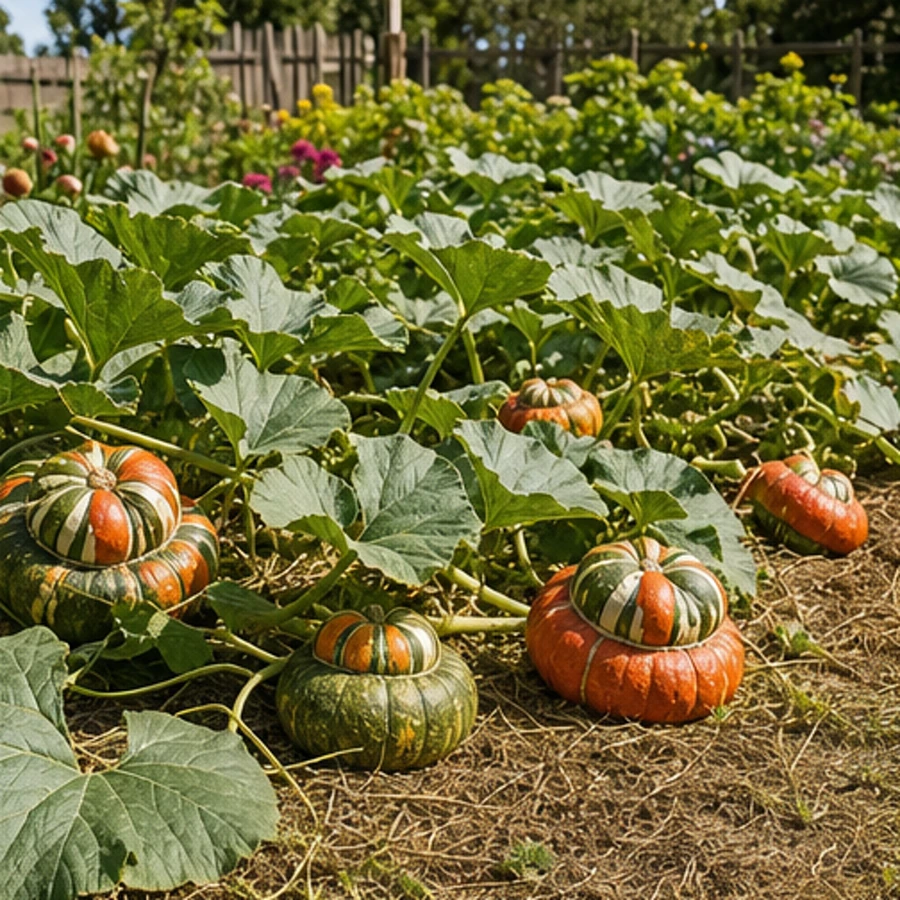
Cucurbita maxima
Flesh and seeds provide different nutrients and belong chiefly to a food-based approach.
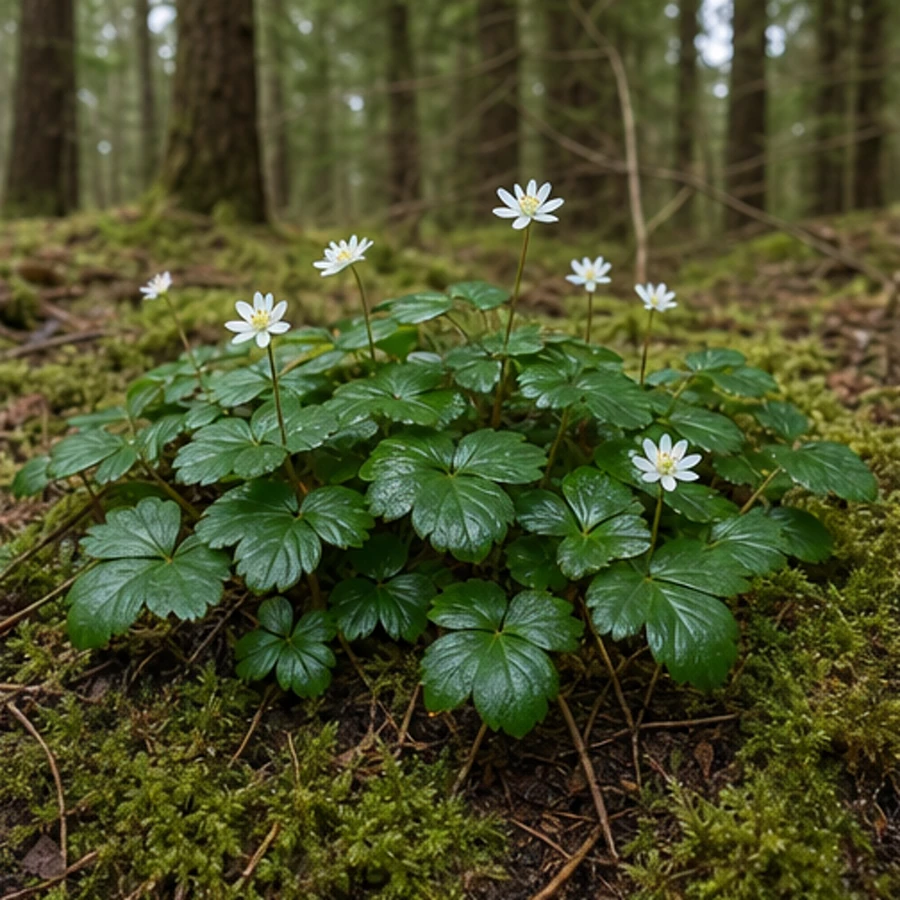 Extra caution
Coptis trifolia
The bitter berberine-rich rhizome has an important medicinal history, but internal use calls for qualified advice.
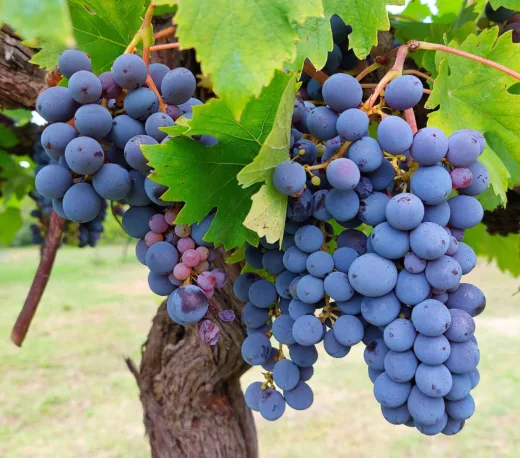
Vitis vinifera
In gemmotherapy, its buds are traditionally associated with the joints and with long-lasting inflammation.
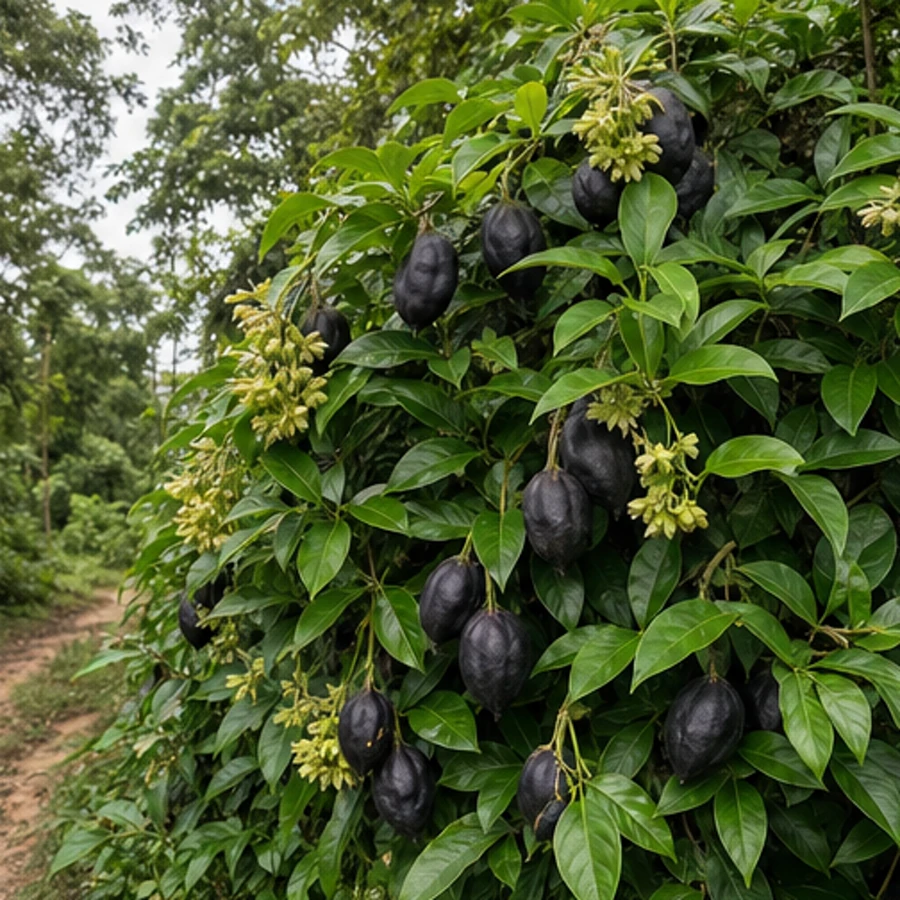 Extra caution
Griffonia simplicifolia
Its seeds supply 5-HTP; interactions with antidepressants and other serotonergic medicines are central.
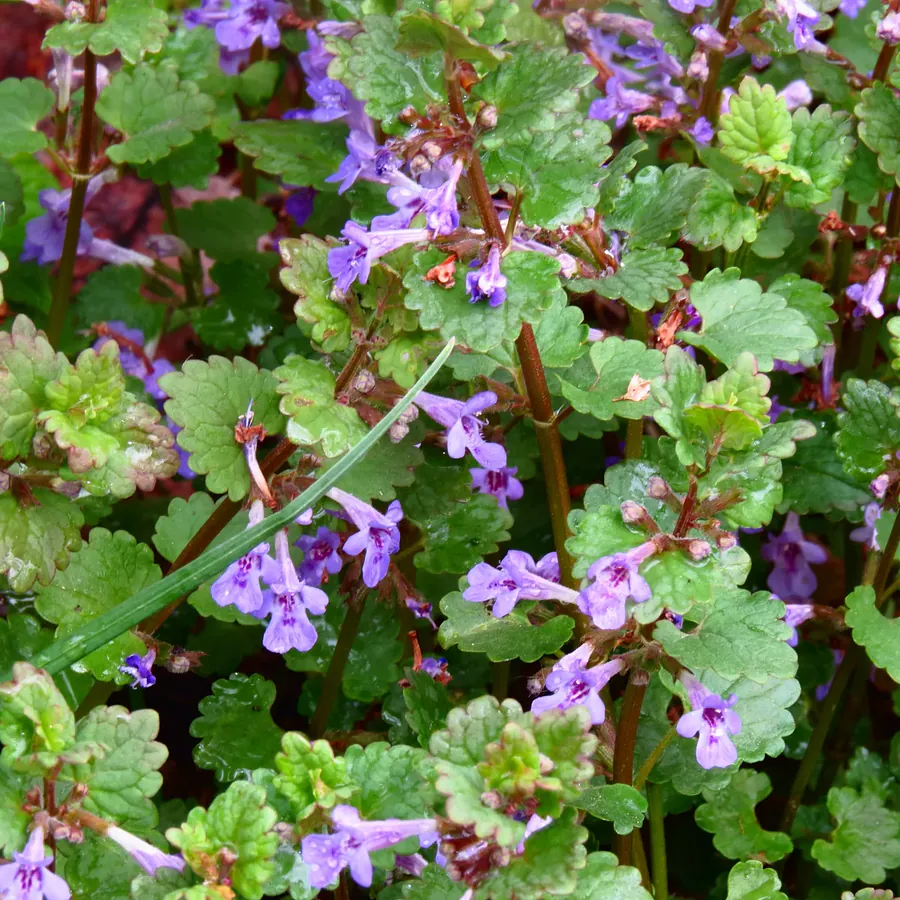
Glechoma hederacea
This aromatic mint relative is traditionally associated with the respiratory tract, digestion and drainage.
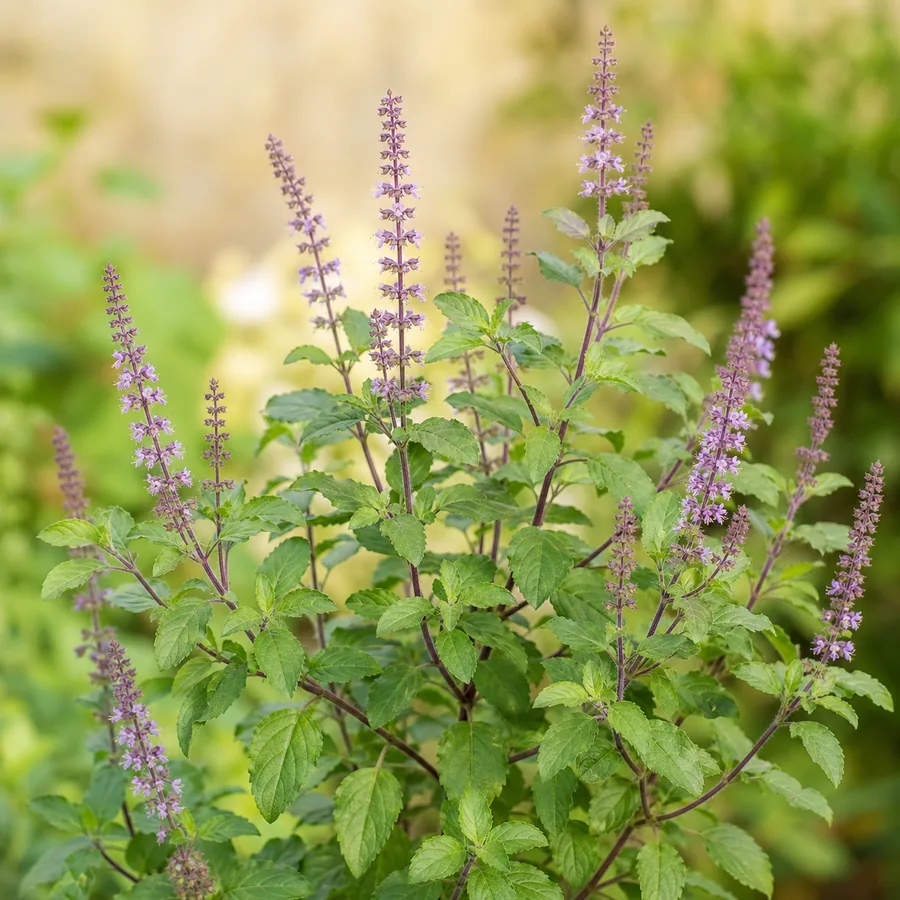
Ocimum tenuiflorum
Also called tulsi, this aromatic basil is traditionally associated with stress, vitality and metabolic balance.
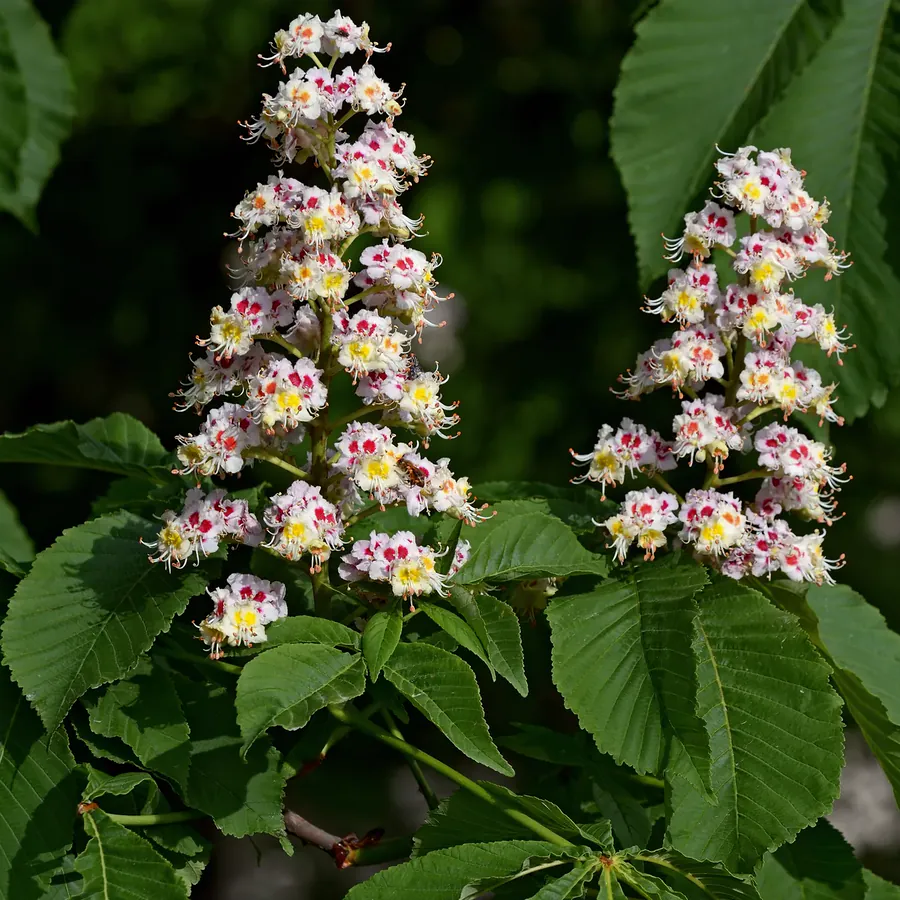 Extra caution
Aesculus hippocastanum
Standardized aescin extracts are studied for venous insufficiency; raw seeds are toxic.
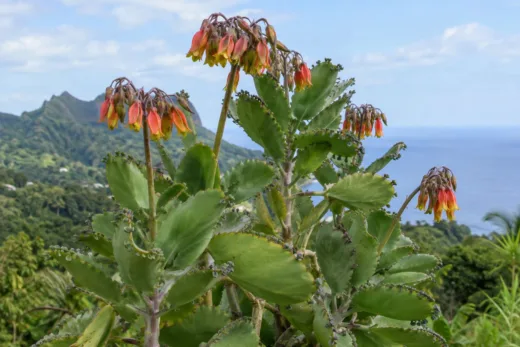 Extra caution
Kalanchoe pinnata
Its fleshy leaves are traditionally applied to the skin; the plant contains compounds that are toxic to the heart.
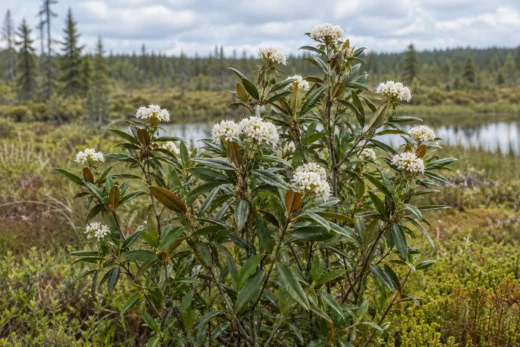 Extra caution
Rhododendron groenlandicum
Its leaves are traditionally associated with sleep and nervousness; they are to be consumed in moderation.
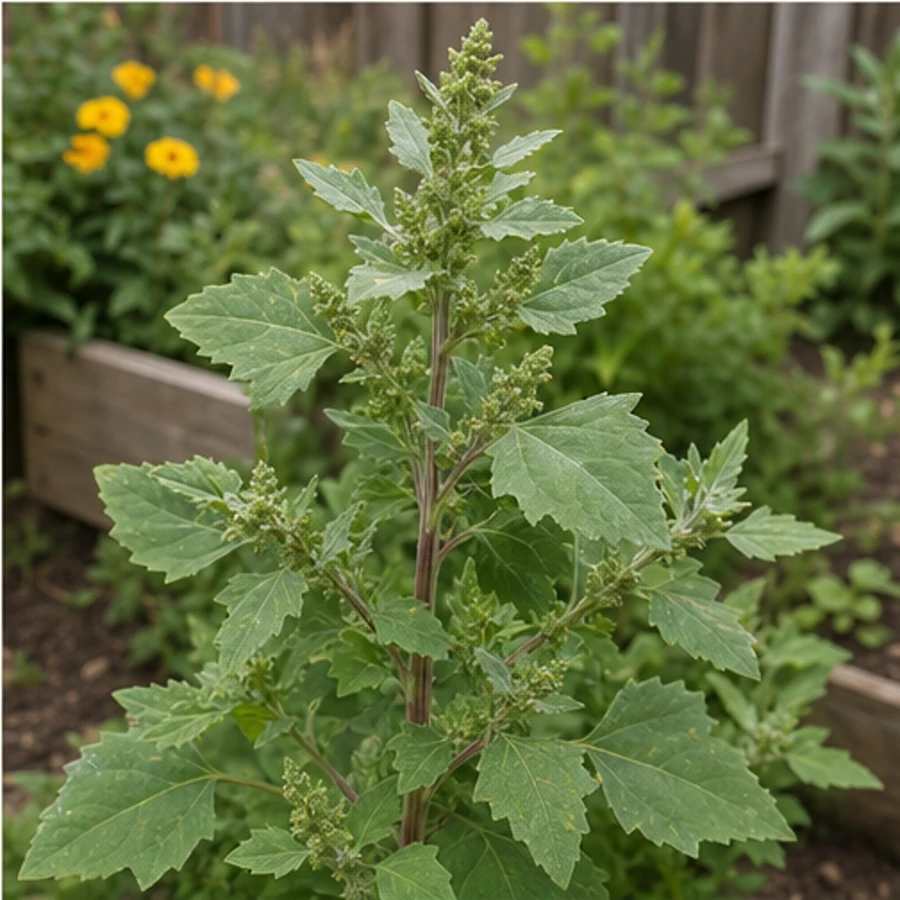
Chenopodium album
Its young leaves are chiefly a nutritious wild food; cooking, amount and oxalate content matter.
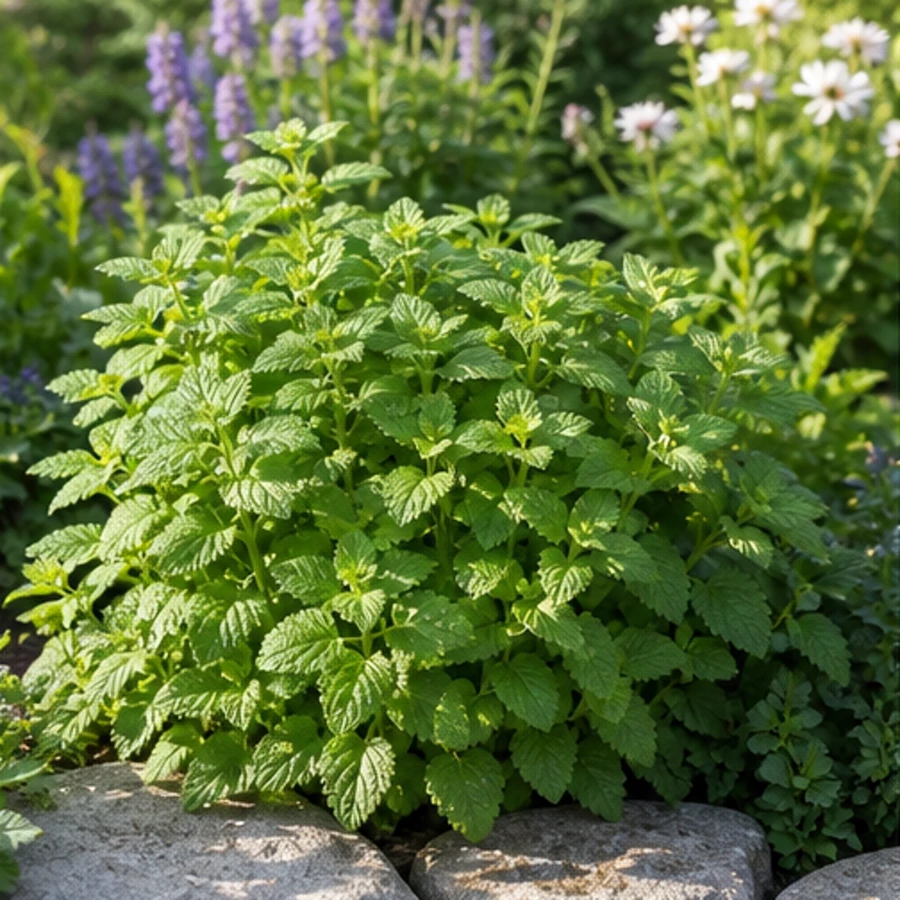
Melissa officinalis
Lemon balm is traditionally associated with relaxation, mild sleep difficulty and digestive comfort.
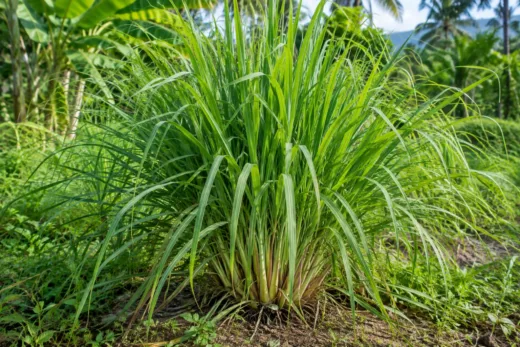
Cymbopogon citratus
Its long, lemon-scented leaves are made into infusions; its diluted essential oil is used for massage and to keep insects away.
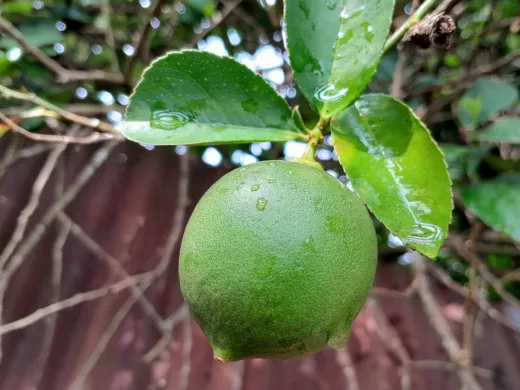 Extra caution
Citrus aurantifolia
The fruit and zest are traditionally associated with digestion; its essential oil makes the skin sensitive to the sun.
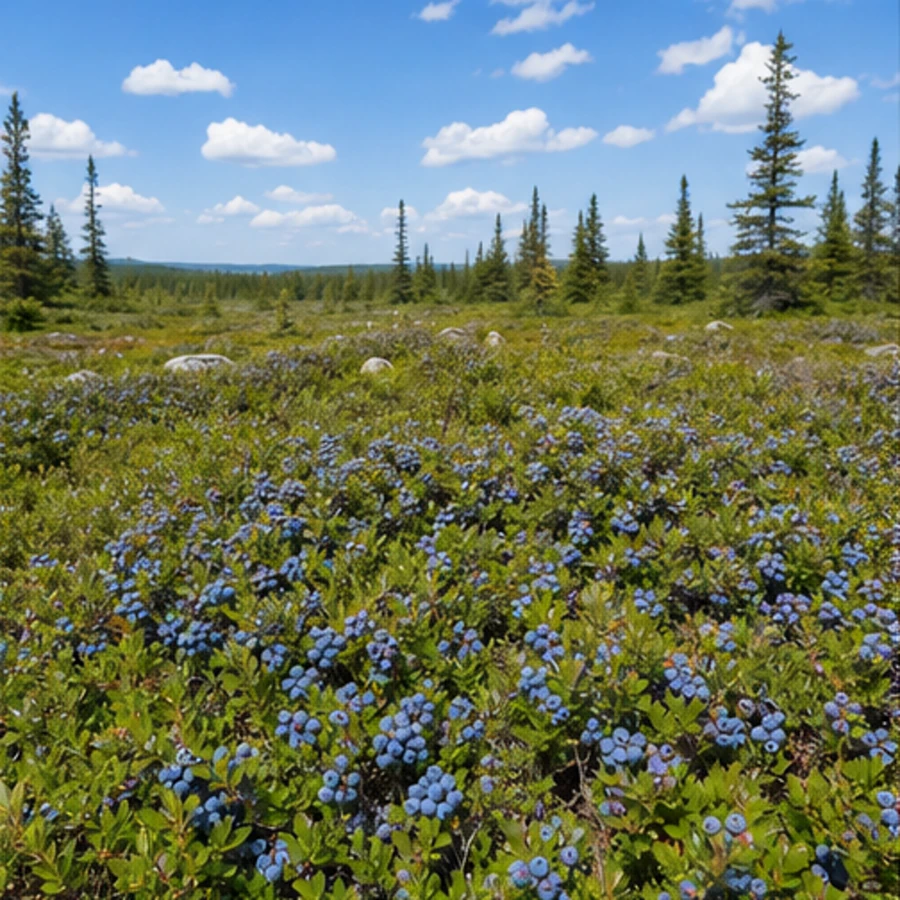
Vaccinium angustifolium
Berries are chiefly food; their polyphenols are studied in metabolic and cardiovascular contexts.
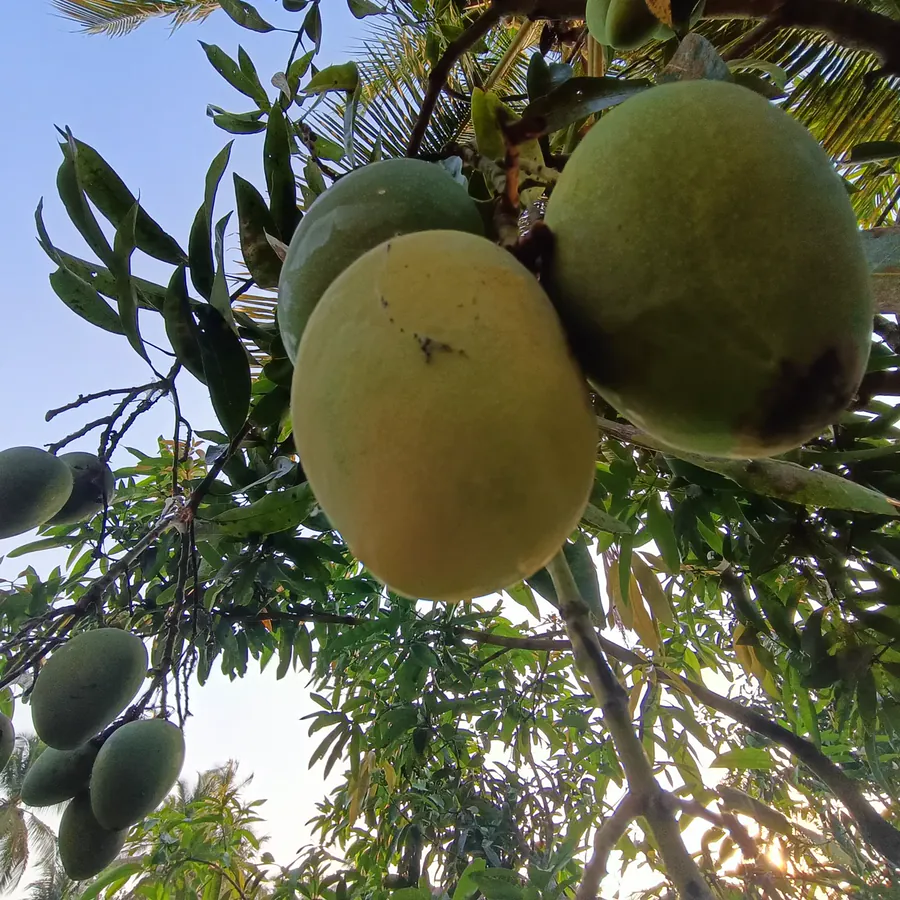
Mangifera indica
This tropical tree is known for its fruit, leaves, traditional uses and mango butter in cosmetics.
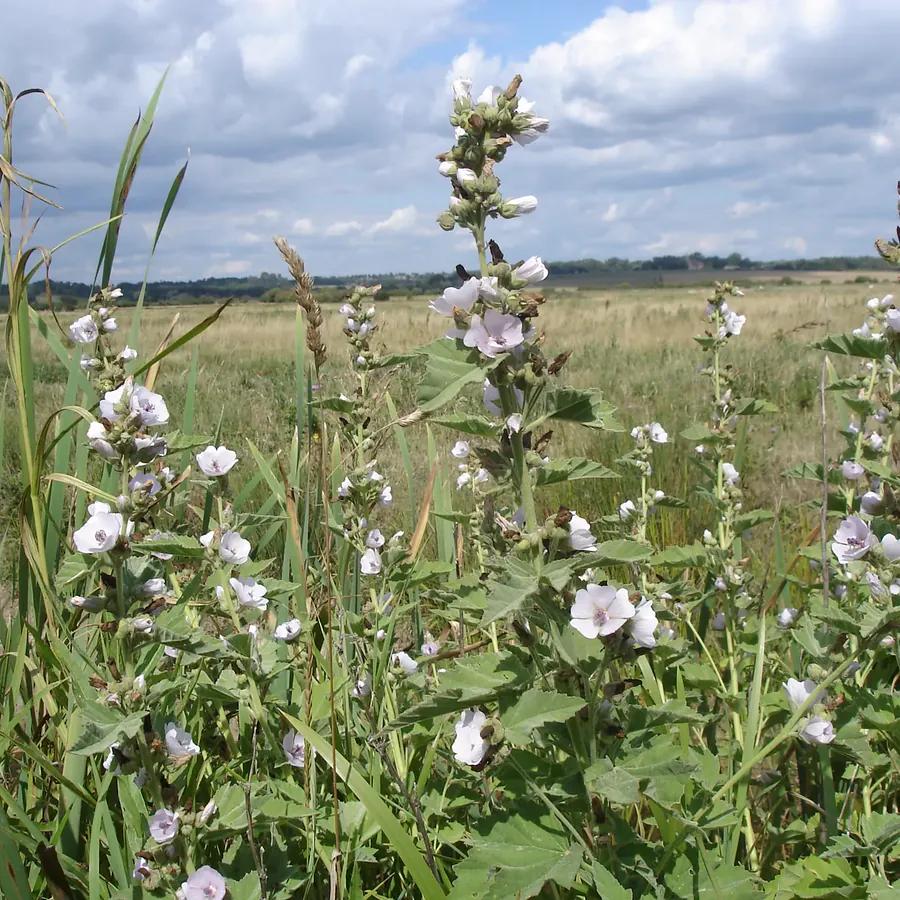
Althaea officinalis
Mucilage-rich root and leaves are traditionally used to soothe irritated tissues.
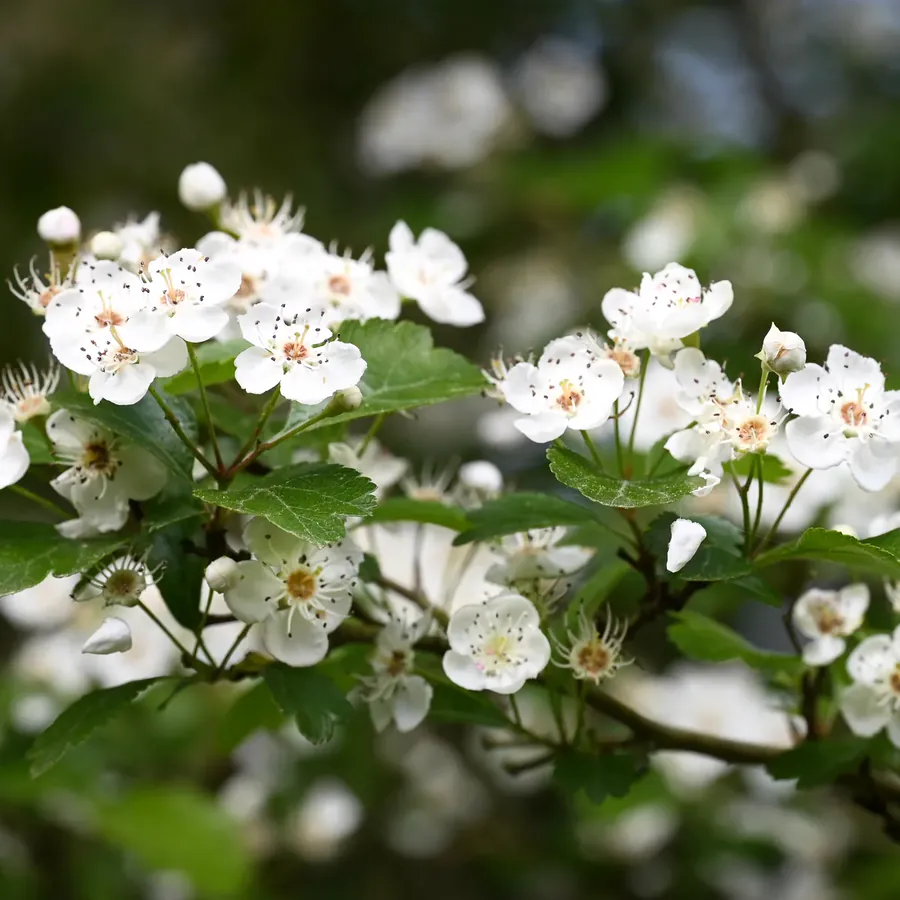 Extra caution
Crataegus laevigata
Flowers, leaves and fruit belong to cardiovascular tradition; heart medication must never be adjusted without care.
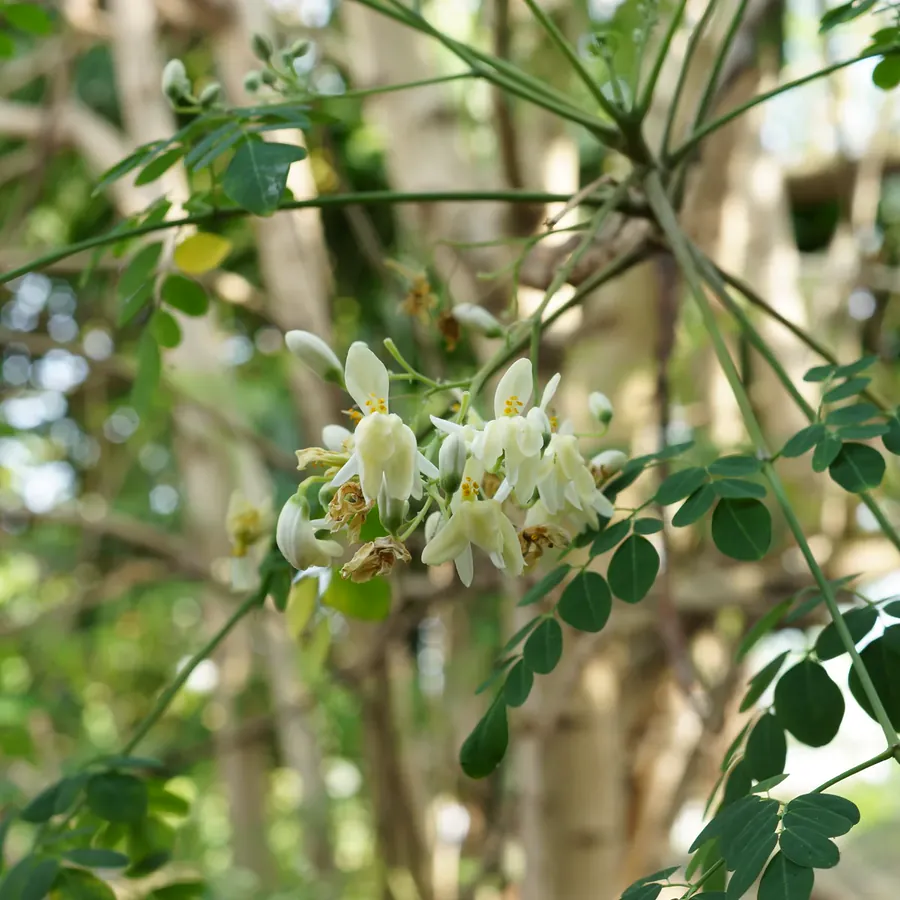
Moringa oleifera
This food tree is known for its nutrient-rich leaves and its culinary and cosmetic uses.
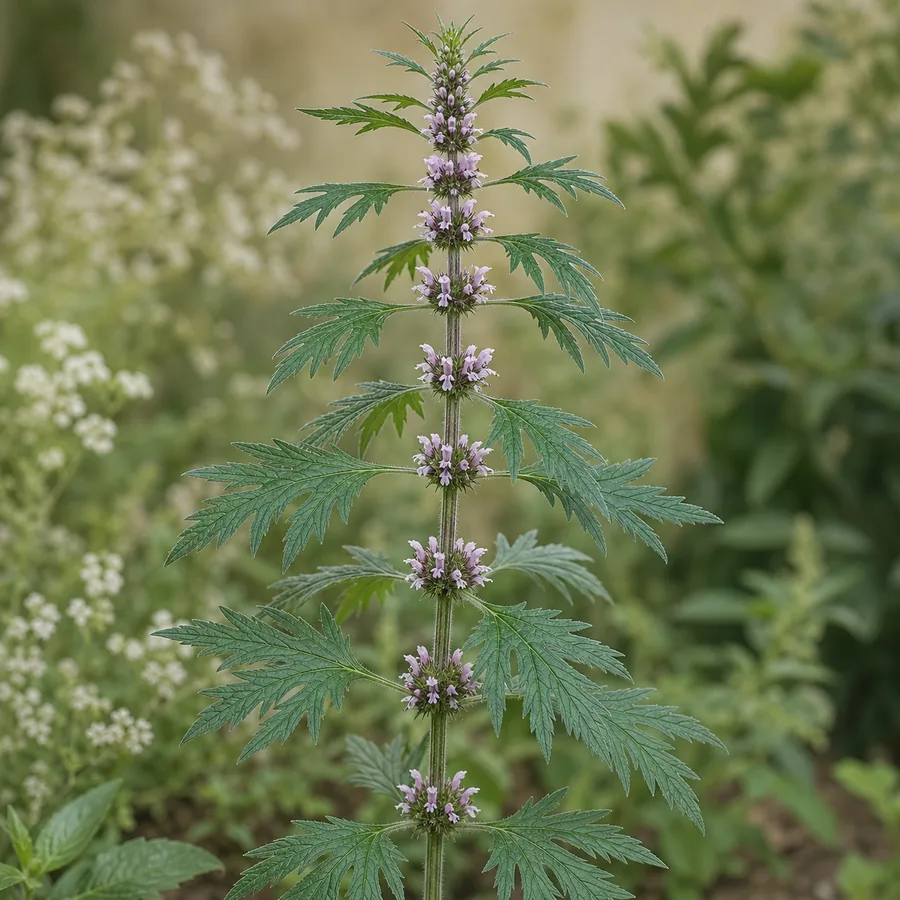
Leonurus cardiaca
Its flowering tops are traditionally associated with nervous tension, cardiovascular comfort and women’s health.
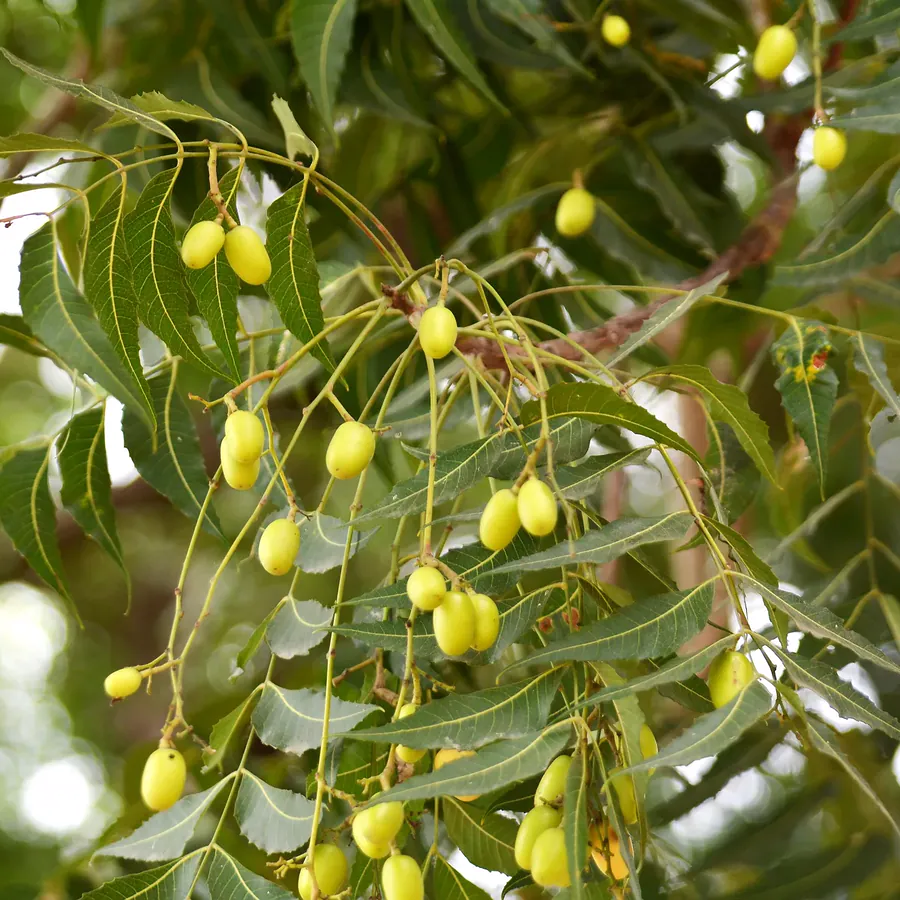 Extra caution
Azadirachta indica
Its leaves and oil are traditionally associated with skin care; pure neem oil is not to be swallowed.
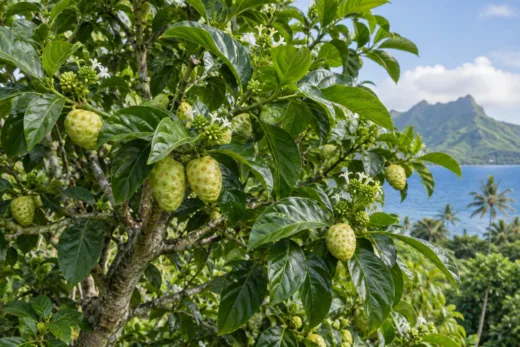 Extra caution
Morinda citrifolia
Its fruit is traditionally associated with joint comfort and relaxation; rare cases of liver damage have been reported.
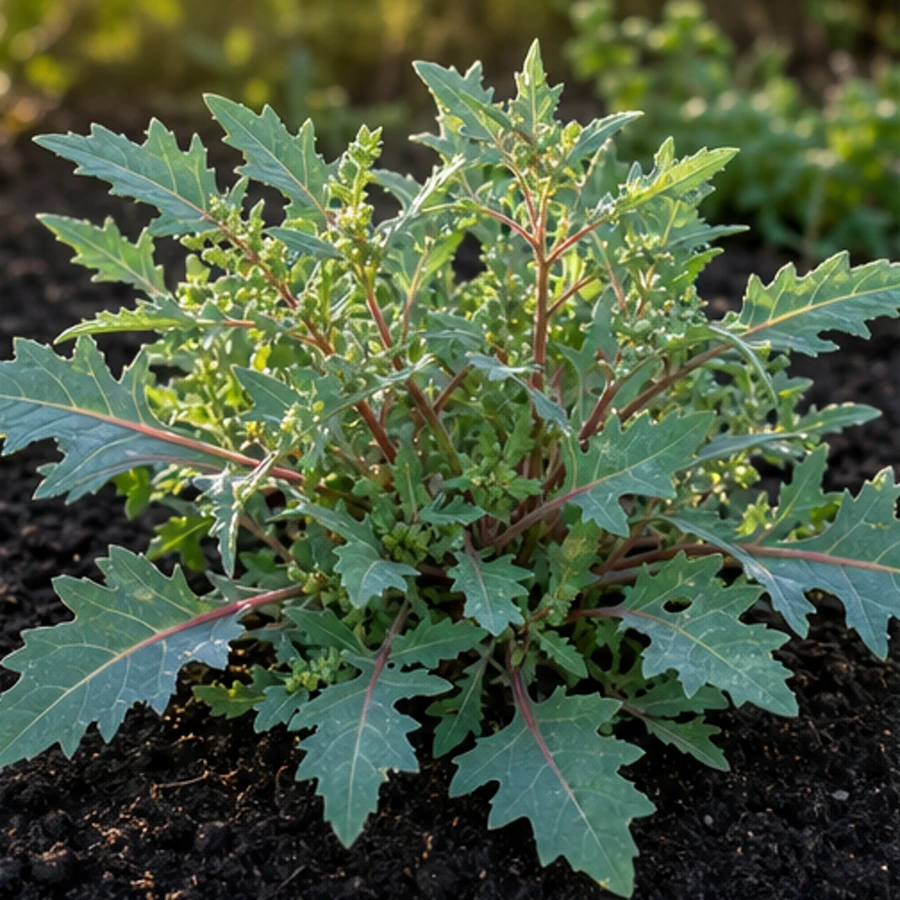
Oxybasis glauca
Oak-leaved goosefoot is presented chiefly for identification and cautious food use.
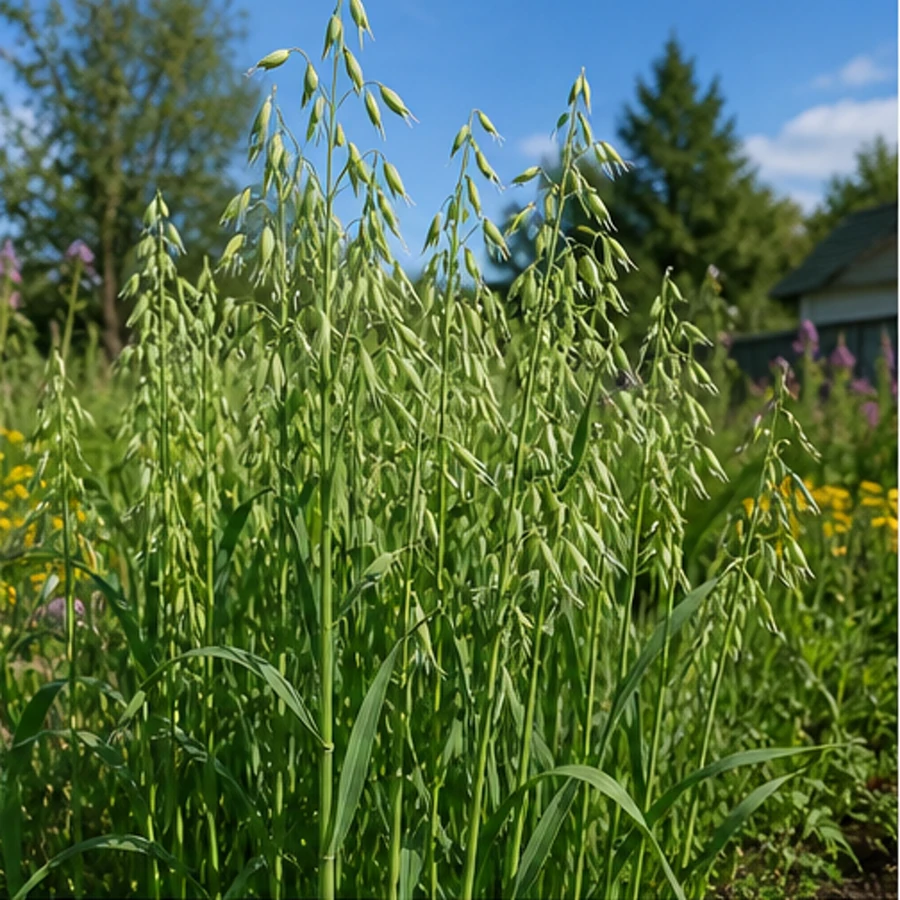
Avena sativa
Grain, bran, straw and milky tops have distinct nutritional, skin and nervous-system traditions.
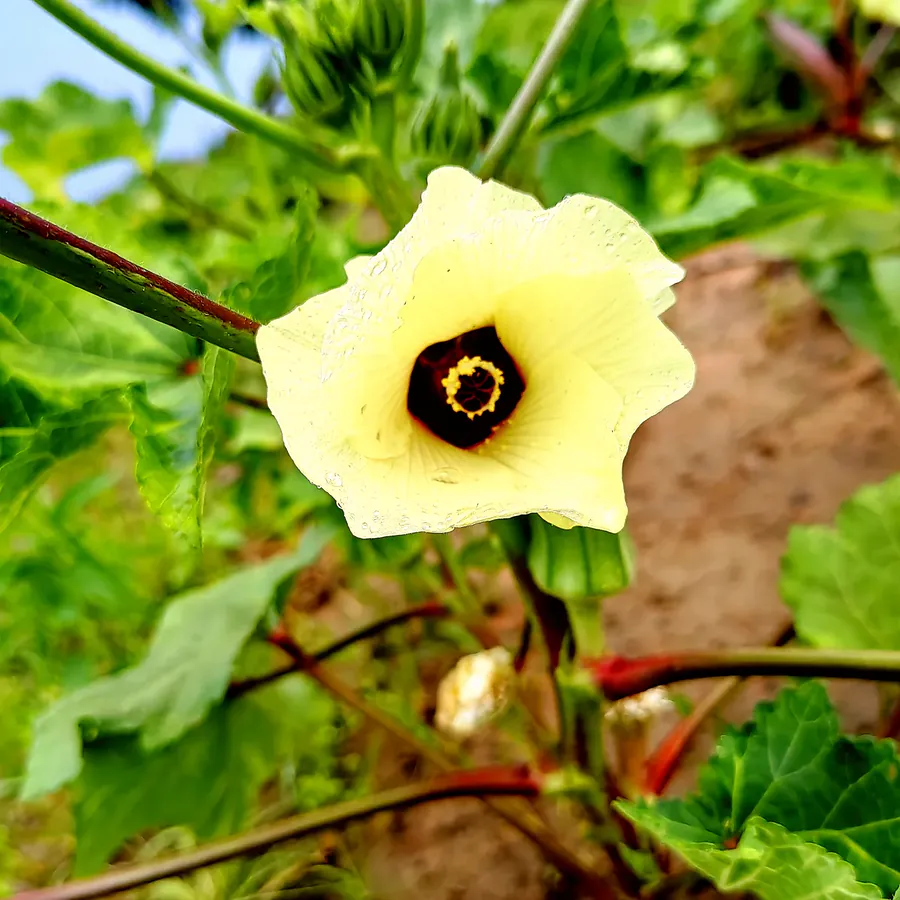
Abelmoschus esculentus
Mucilaginous pods are chiefly a fibre-rich food and replace no metabolic treatment.

Leucanthemum vulgare
Oxeye daisy has folk digestive, respiratory and topical uses, with little clinical evidence.
 Extra caution
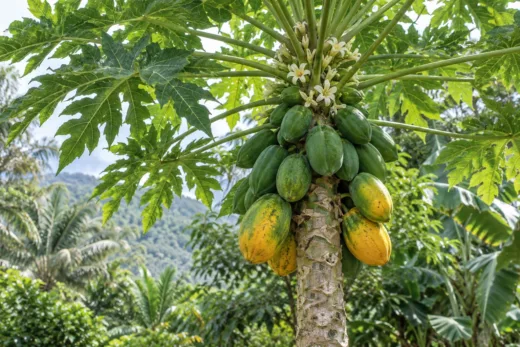
Carica papaya
The fruit, leaves and latex have different uses; green papaya is contraindicated during pregnancy.
 Extra caution
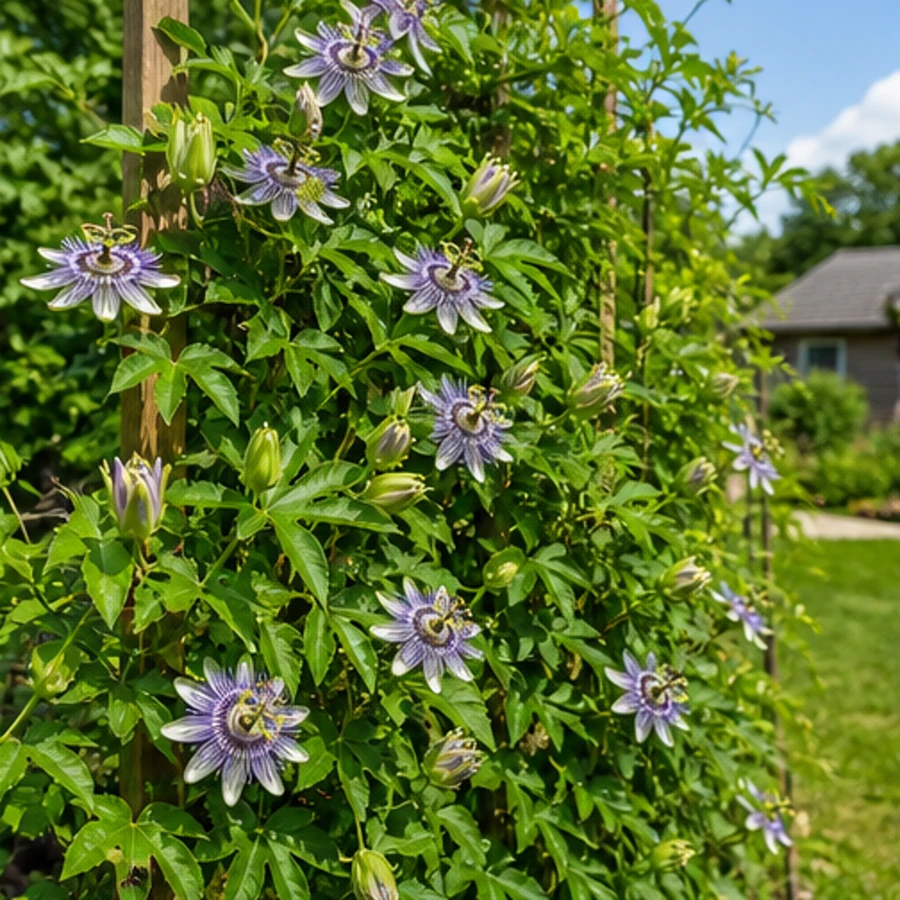
Passiflora incarnata
Aerial parts are traditionally used for nervous tension and sleep; drowsiness and interactions matter.
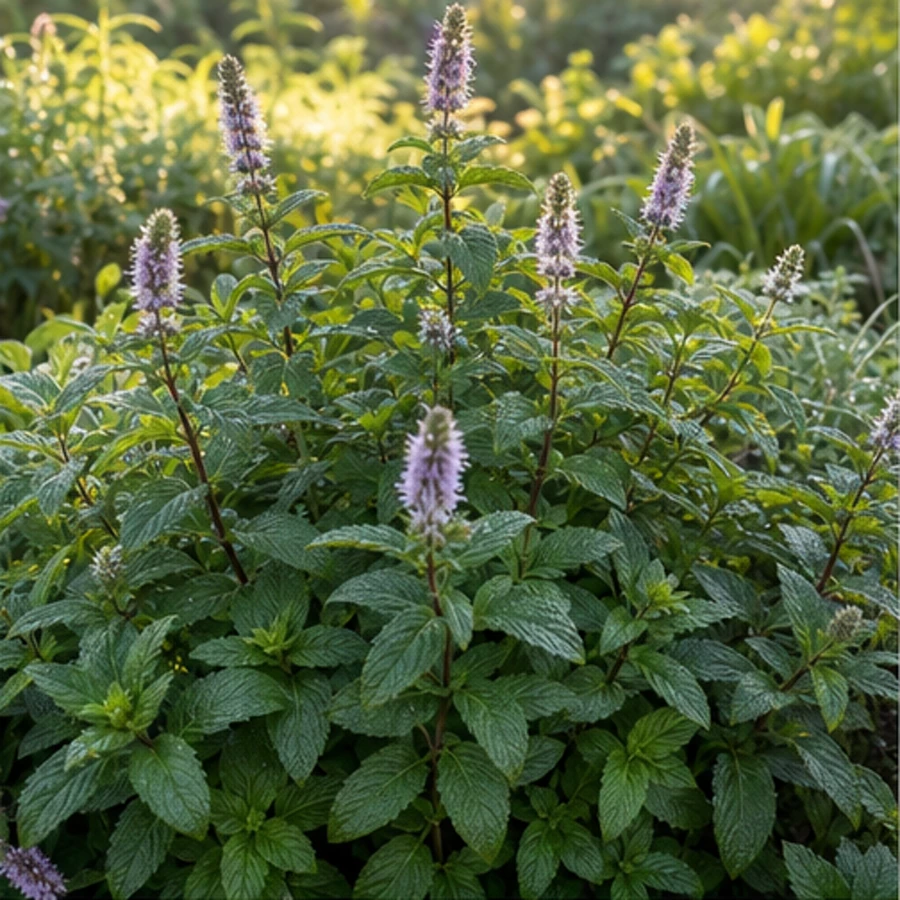
Mentha × piperita
Leaf, tea and essential oil differ greatly in concentration and precautions.
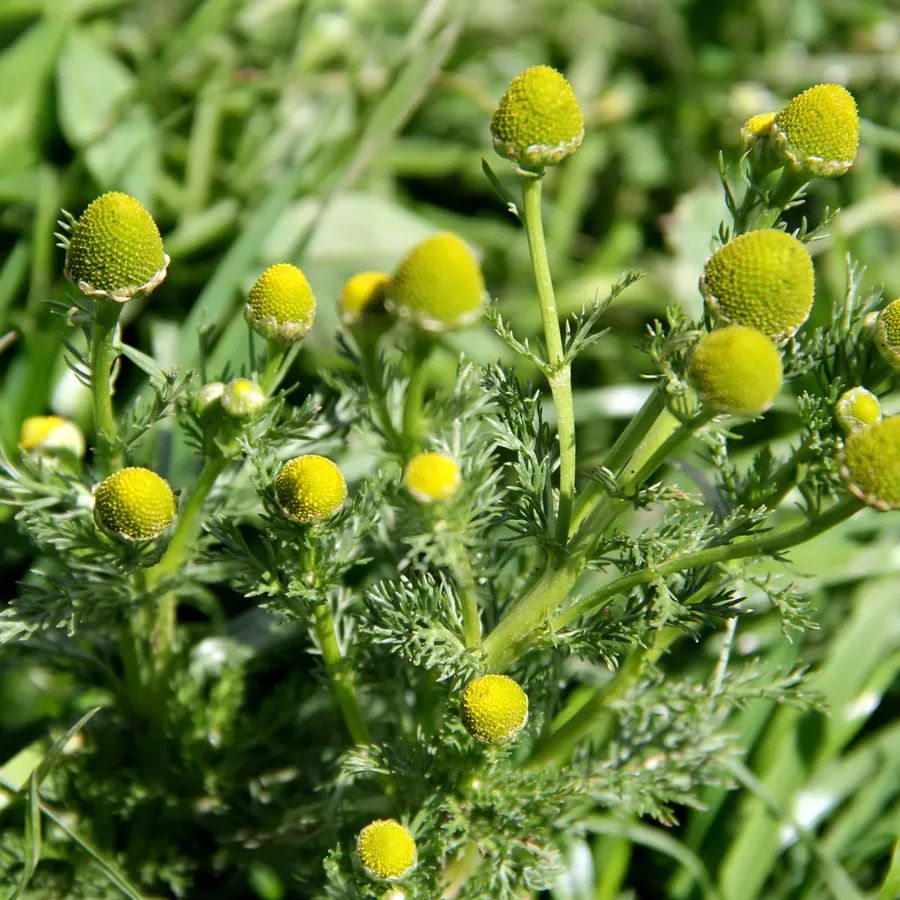
Matricaria discoidea
Its scented heads have food and traditional uses related, but not identical, to chamomile.
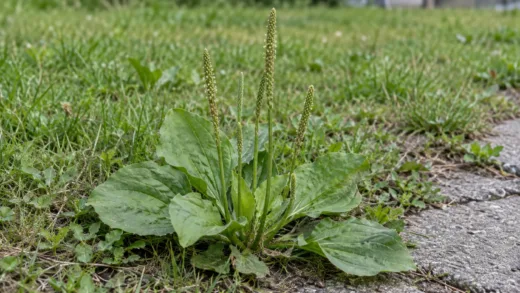
Plantago major & Plantago lanceolata
Its leaves are traditionally associated with itching and insect bites, as well as with the respiratory tract.
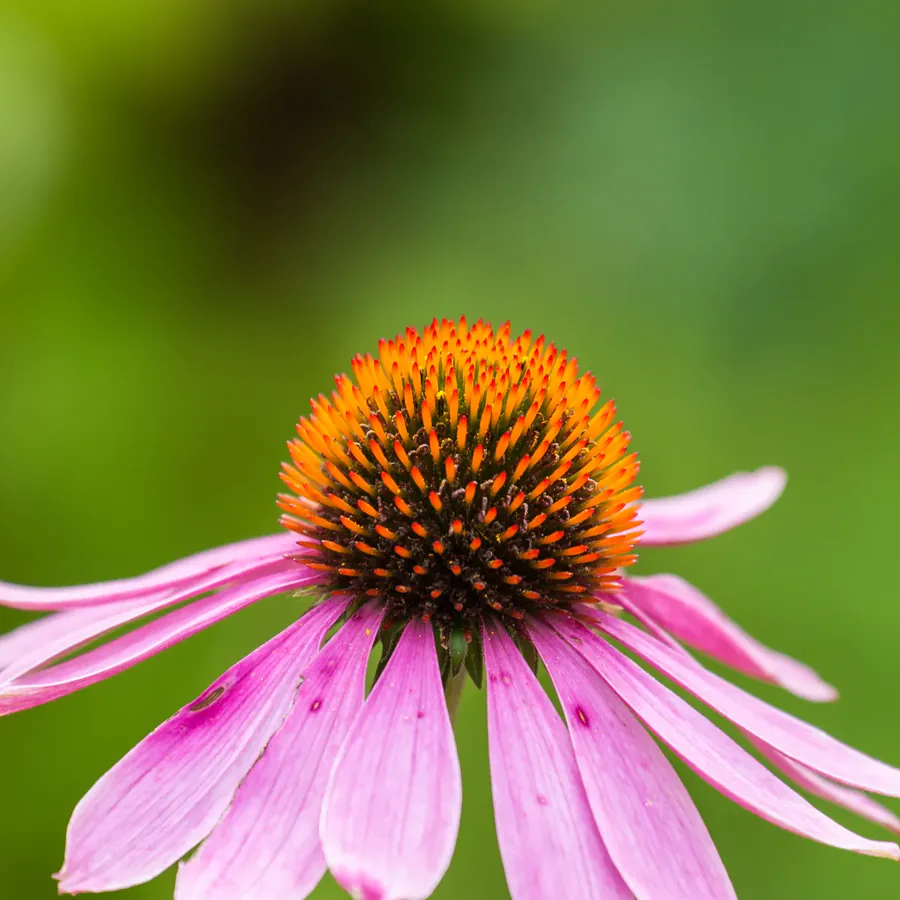
Echinacea purpurea
Purple coneflower is traditionally associated with the immune defences; it is taken at the first signs, not continuously.
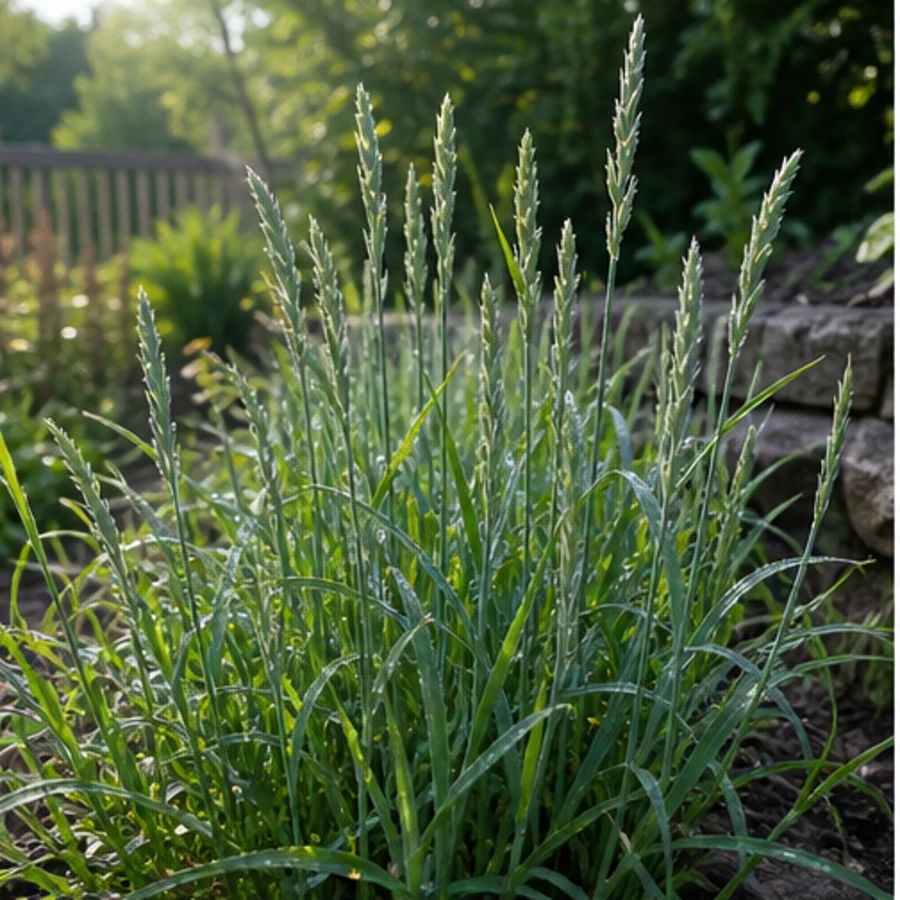
Elymus repens
The rhizome is traditionally associated with gentle urinary drainage and selected digestive discomforts.
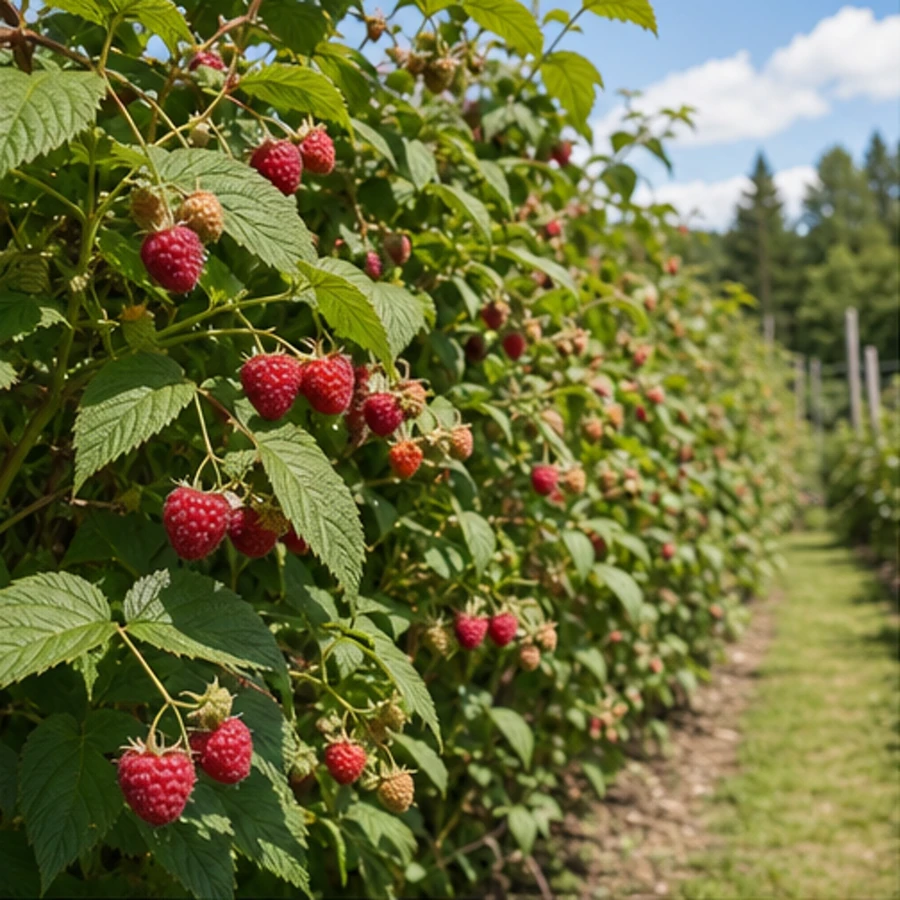
Rubus idaeus
The fruit is food, while the leaf belongs chiefly to digestive and women’s-health traditions.
 Extra caution
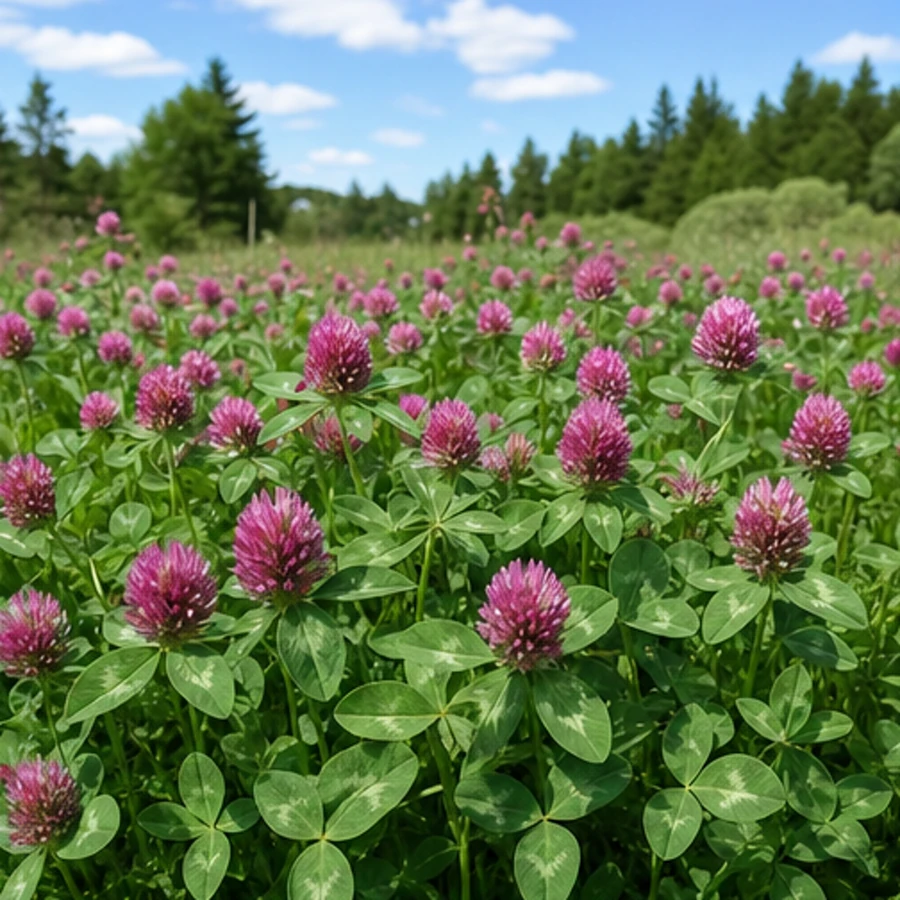
Trifolium pratense
Standardized isoflavone extracts are studied for menopause; results and hormone-related safety require judgement.
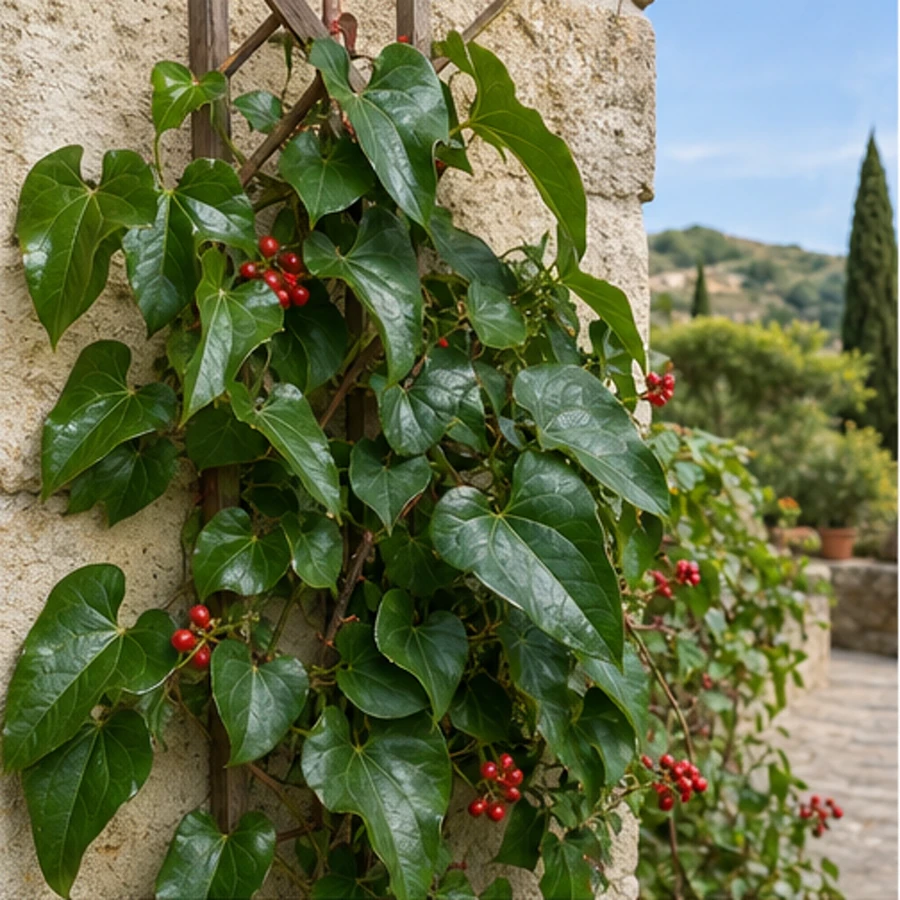
Smilax aspera
The root is traditionally associated with skin, joints and digestion; modern evidence is limited.
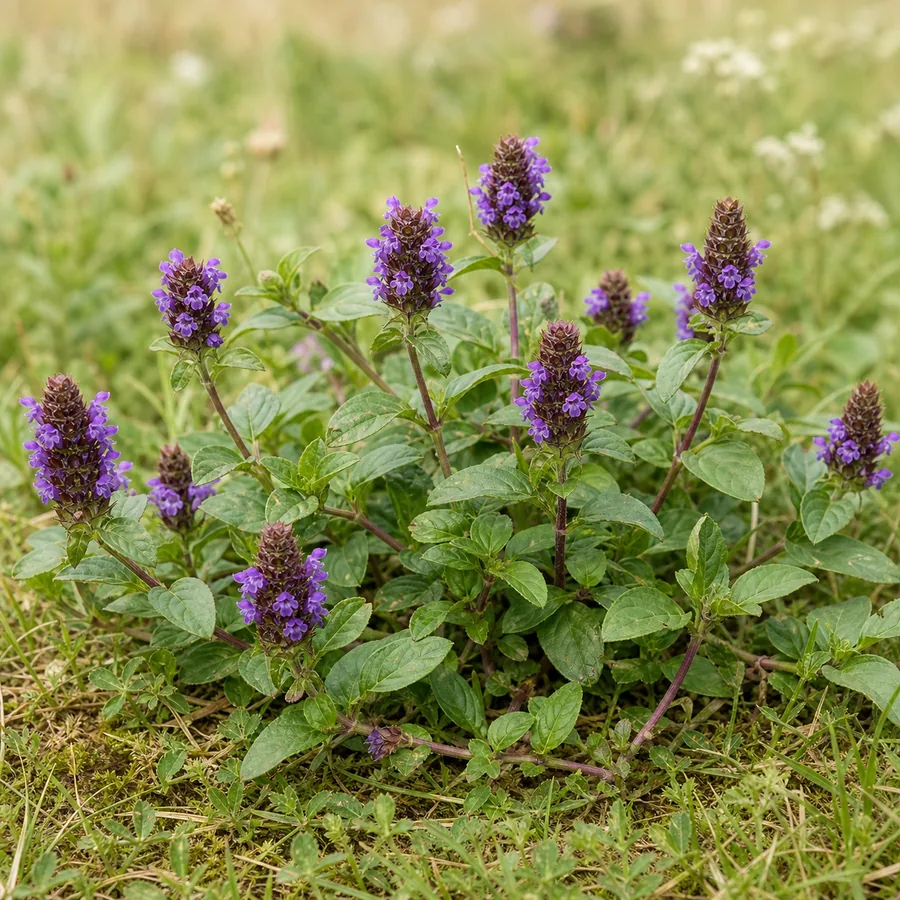
Prunella vulgaris
This small mint-family plant is traditionally used in topical care, gargles and seasonal preparations.
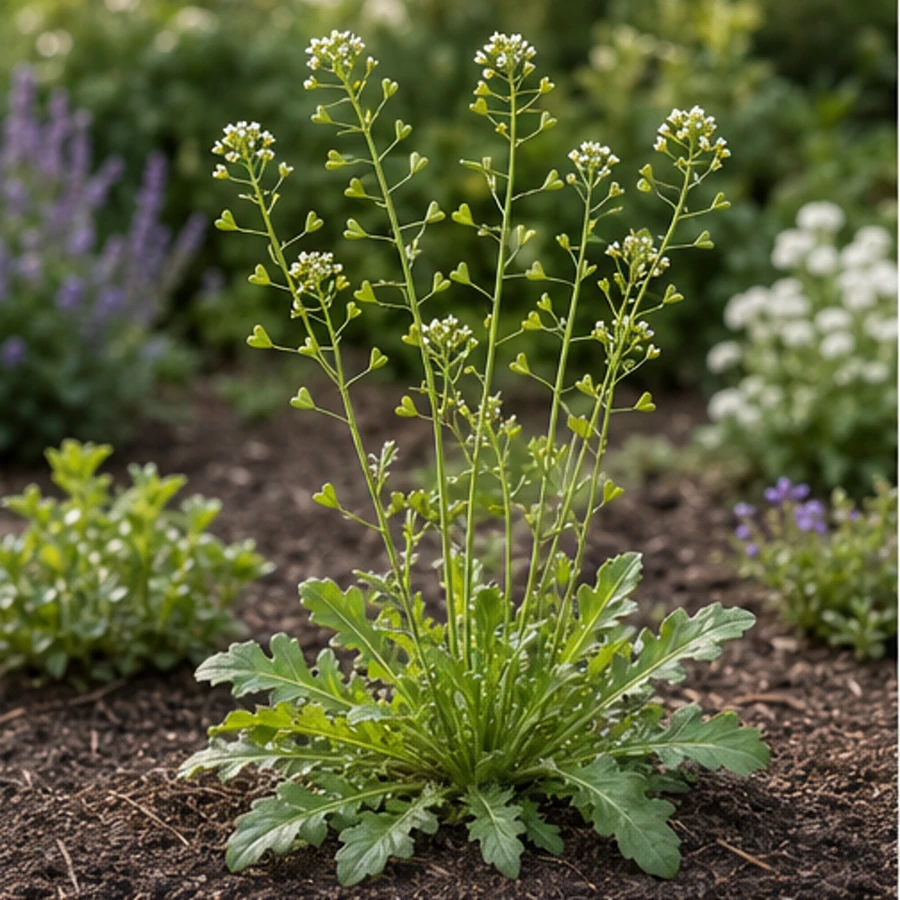 Extra caution
Capsella bursa-pastoris
This plant has traditional haemostatic and uterine uses that require secure identification and professional advice.

Picea mariana & Picea glauca
Spruce needles, buds and resin are traditionally associated with the respiratory tract and the muscles.
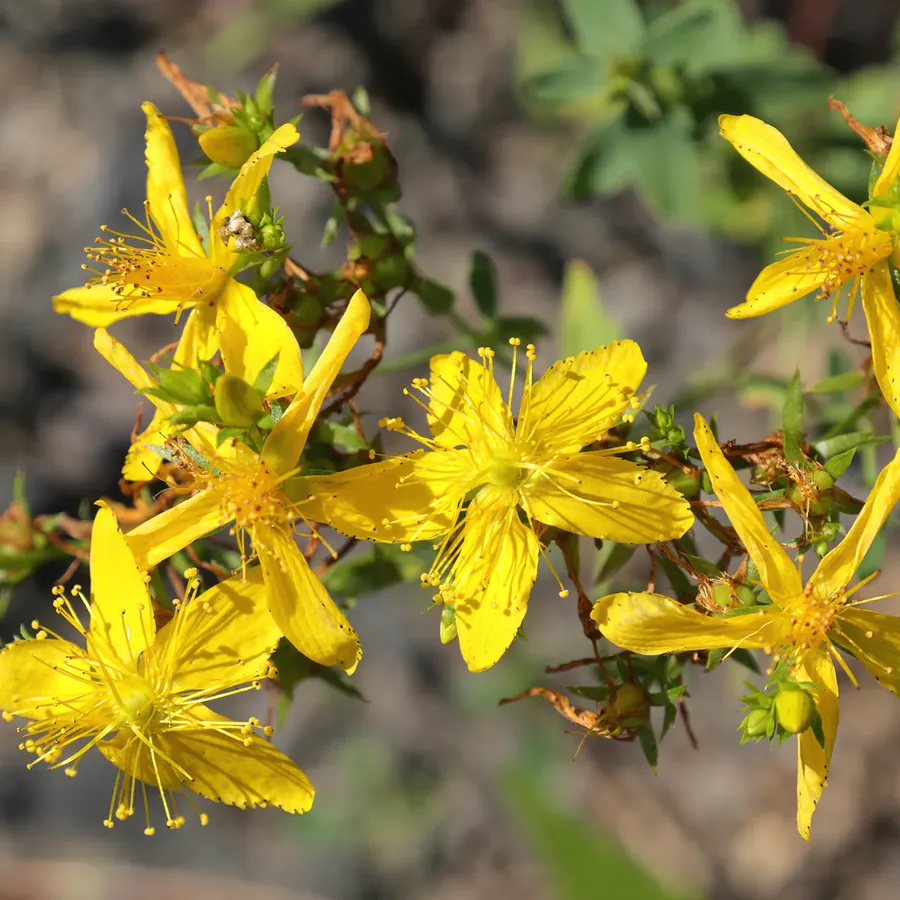 Extra caution
Hypericum perforatum
St. John’s wort is studied for mild-to-moderate depression, but its medicine interactions are numerous and important.
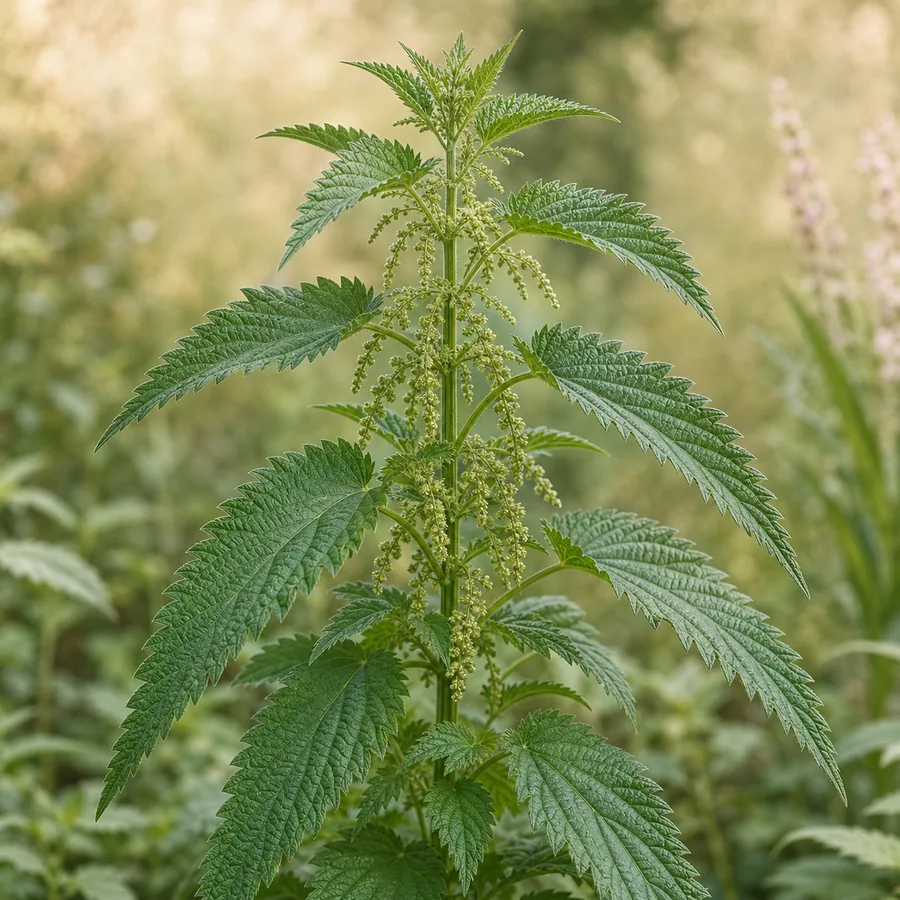
Urtica dioica
Its mineral-rich leaves are traditionally associated with vitality and urinary support.
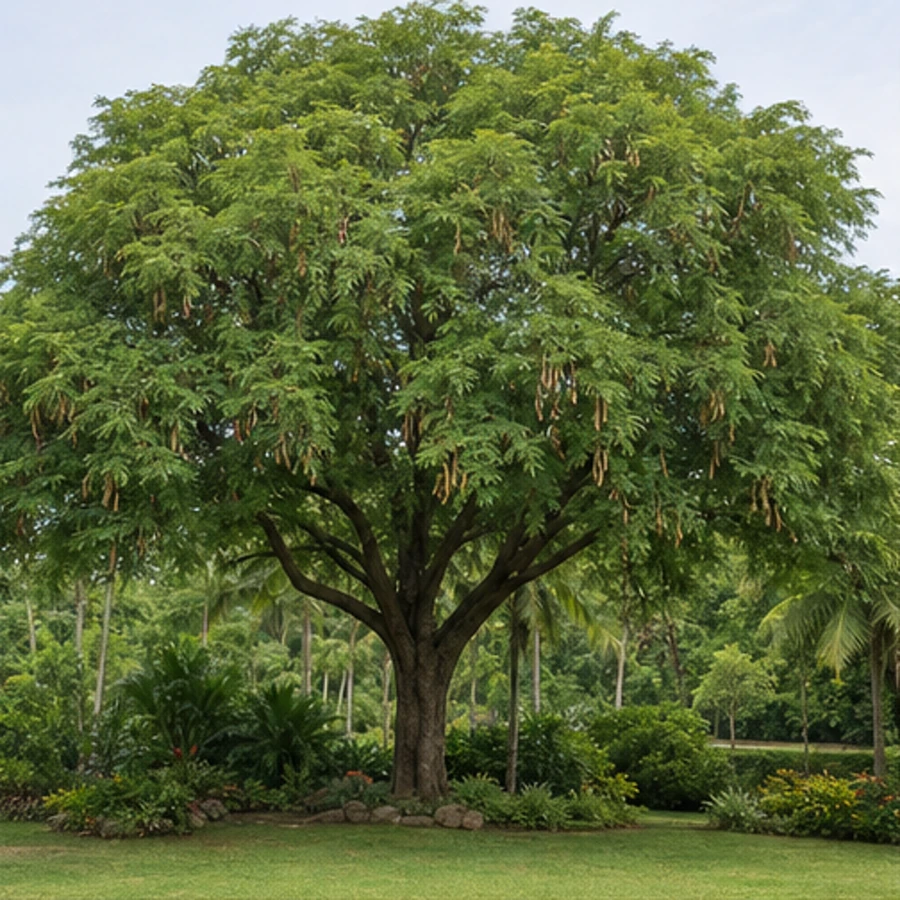
Tamarindus indica
The tart pulp is chiefly food and traditionally digestive; leaves and seeds have other uses.
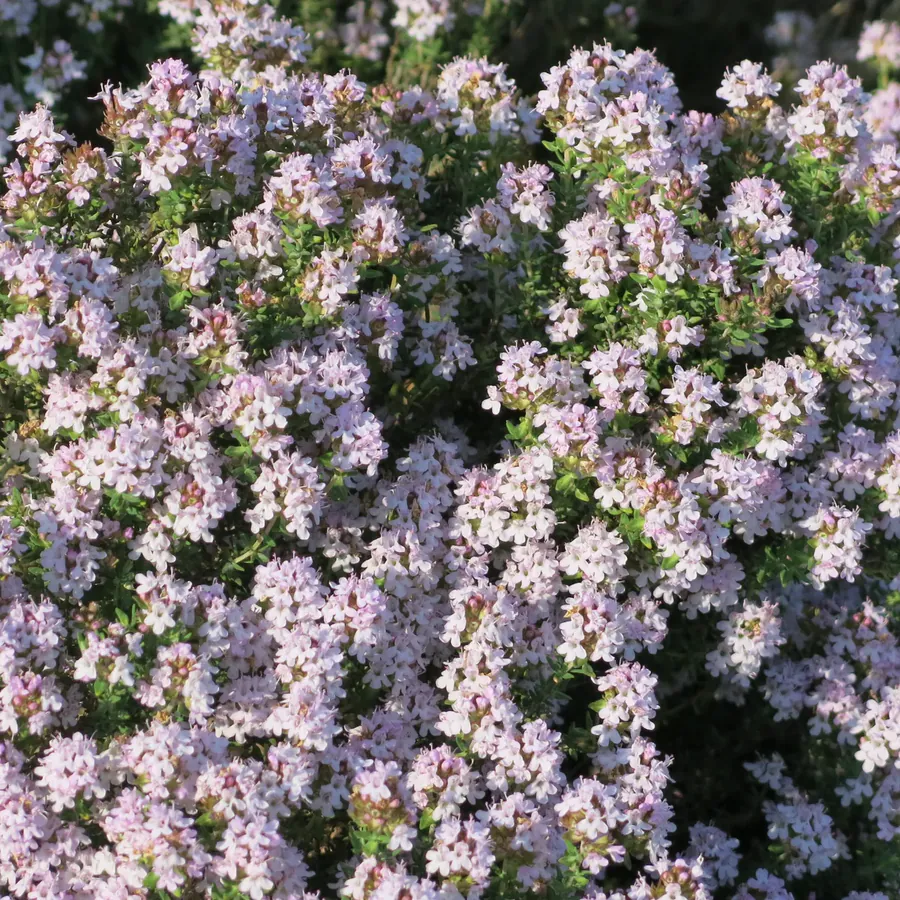
Thymus vulgaris
Flowering tops are traditionally used for chesty cough and digestion; essential oil is far more concentrated.
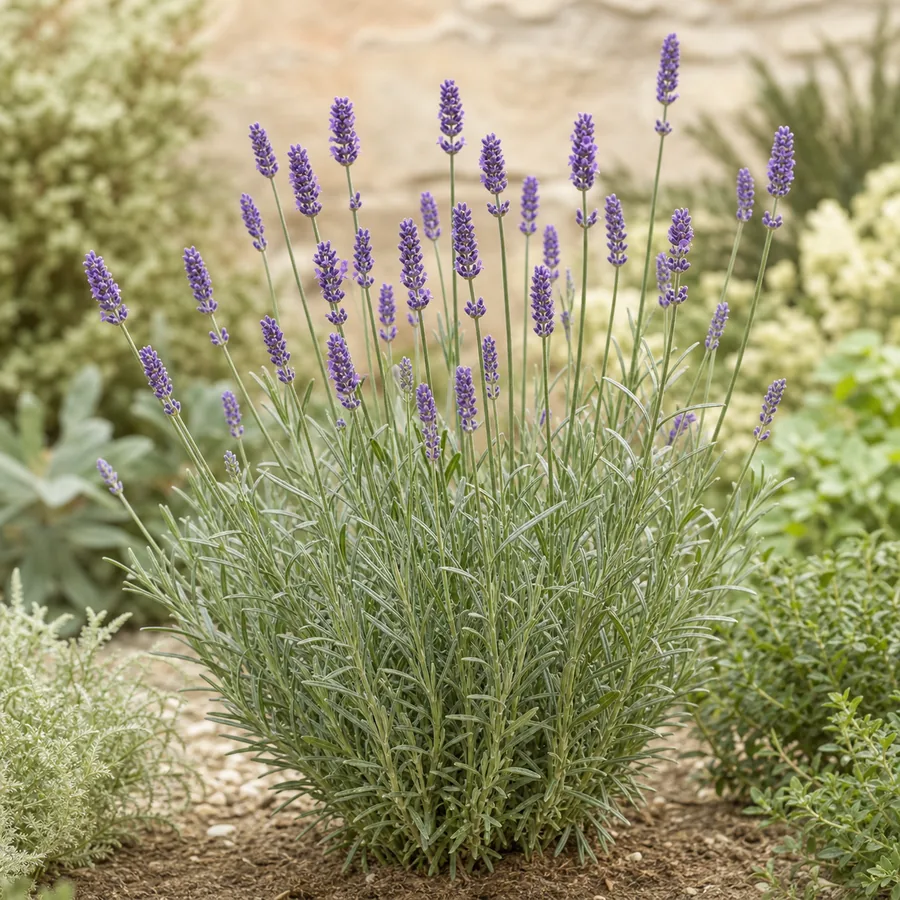
Lavandula angustifolia
Its aromatic flowers are traditionally used for relaxation, sleep and selected topical preparations.
 Extra caution
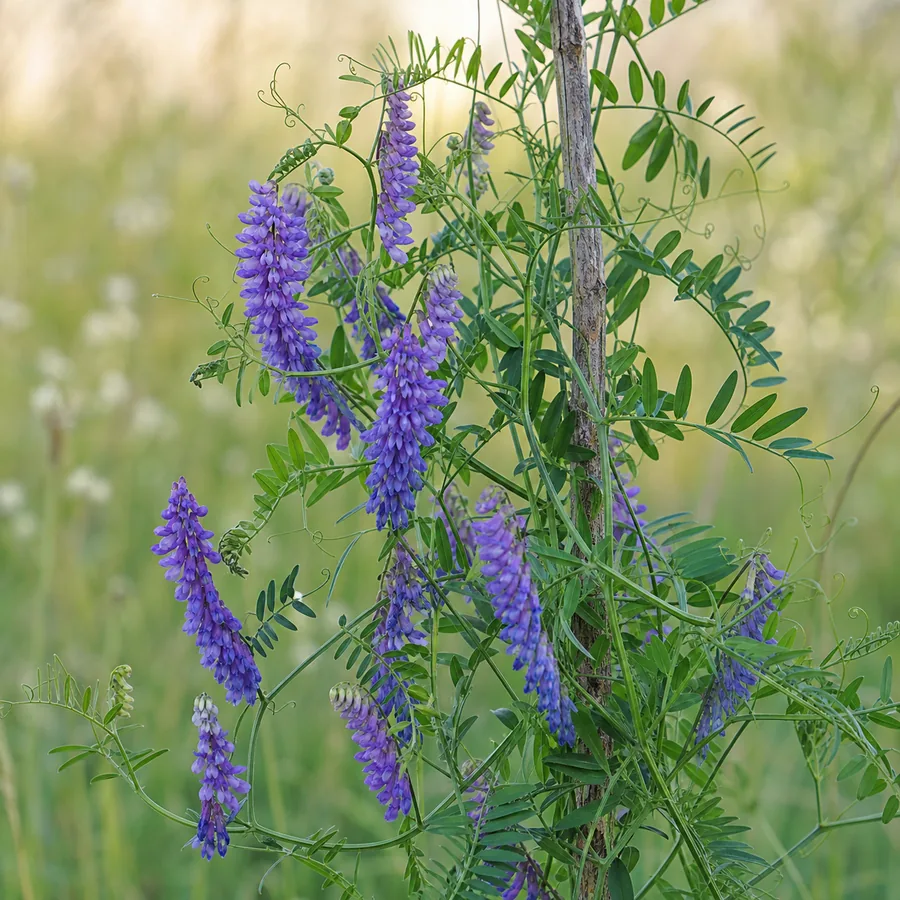
Vicia cracca
This nitrogen-fixing climber is mainly valued in the garden. Its raw seeds call for particular caution.
 Extra caution
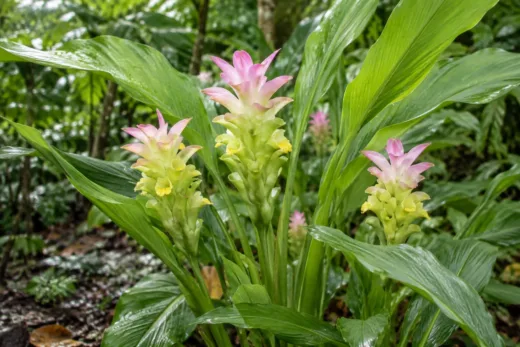
Curcuma longa
Its orange rhizome is traditionally associated with digestion and the joints; use caution with blood thinners.
 Extra caution
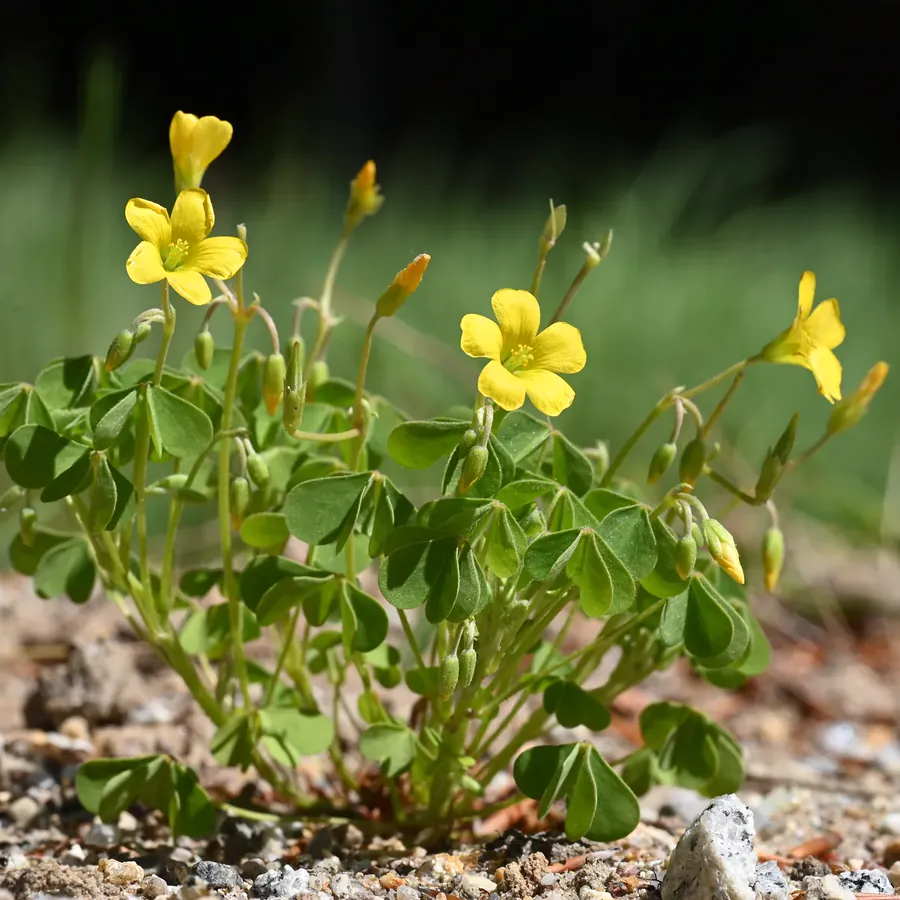
Oxalis stricta
Its tart leaves are sometimes eaten sparingly; oxalates limit medicinal or heavy use.
 Extra caution
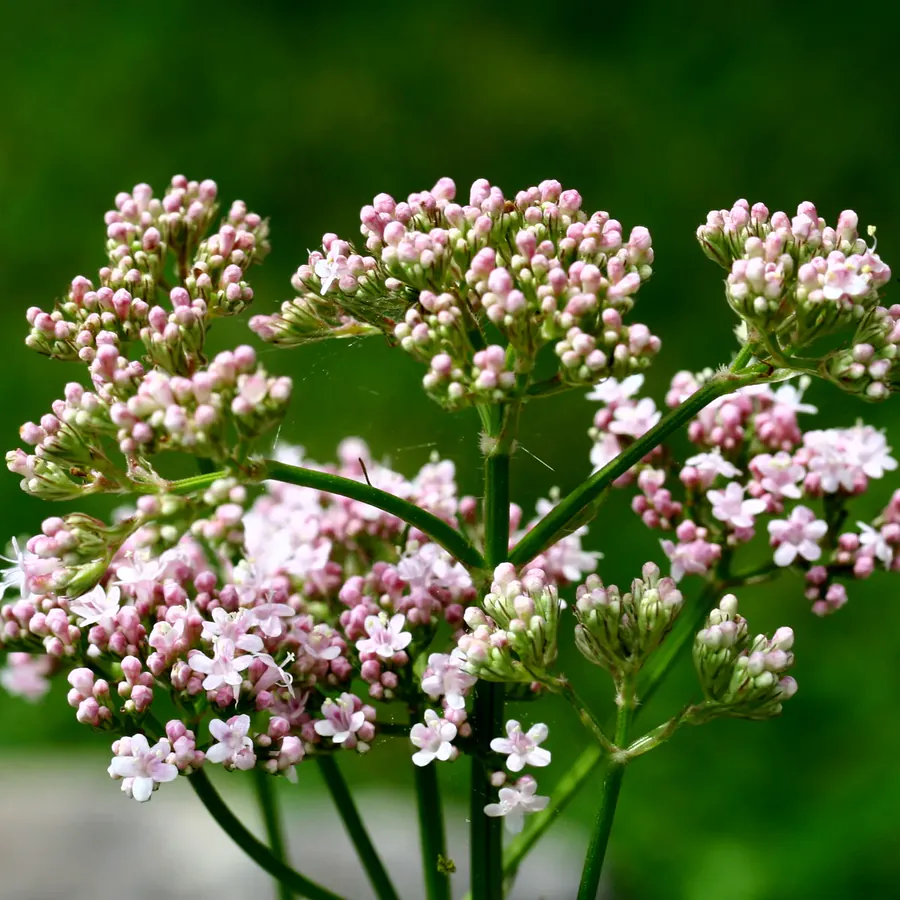
Valeriana officinalis
The root is traditionally associated with sleep and nervous tension and may increase drowsiness.
 Extra caution
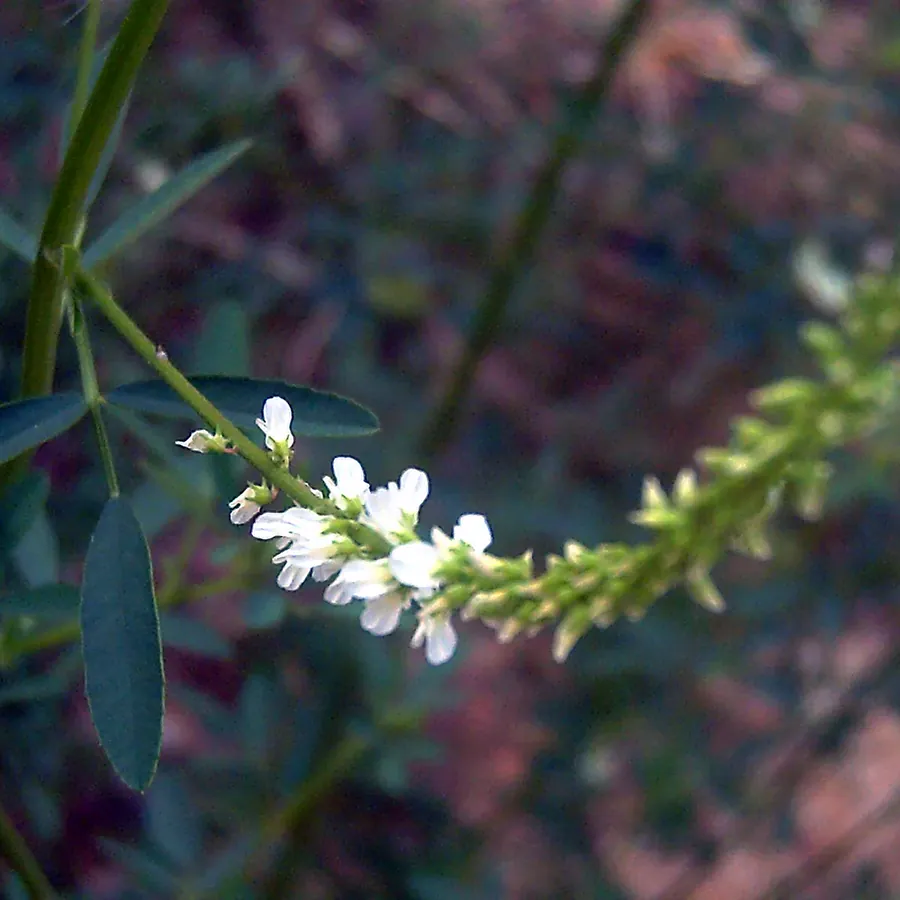
Melilotus albus
Its flowering tops are traditionally associated with circulation, lymphatic support and topical preparations.
 Extra caution
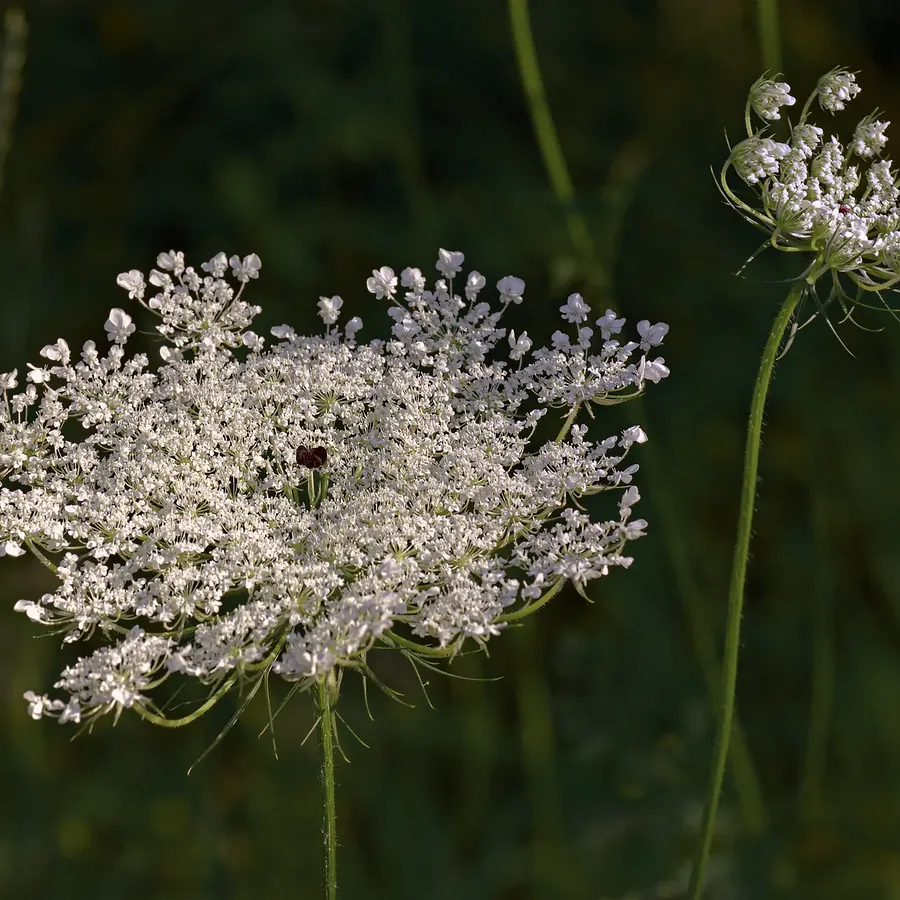
Daucus carota
Its long food and medicinal history requires flawless identification, especially against poisonous hemlocks.
 Extra caution
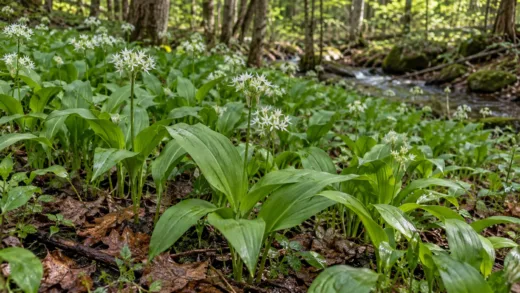
Allium tricoccum
This spring wild garlic is traditionally associated with cleansing the body; it is not recommended for people with low blood pressure.
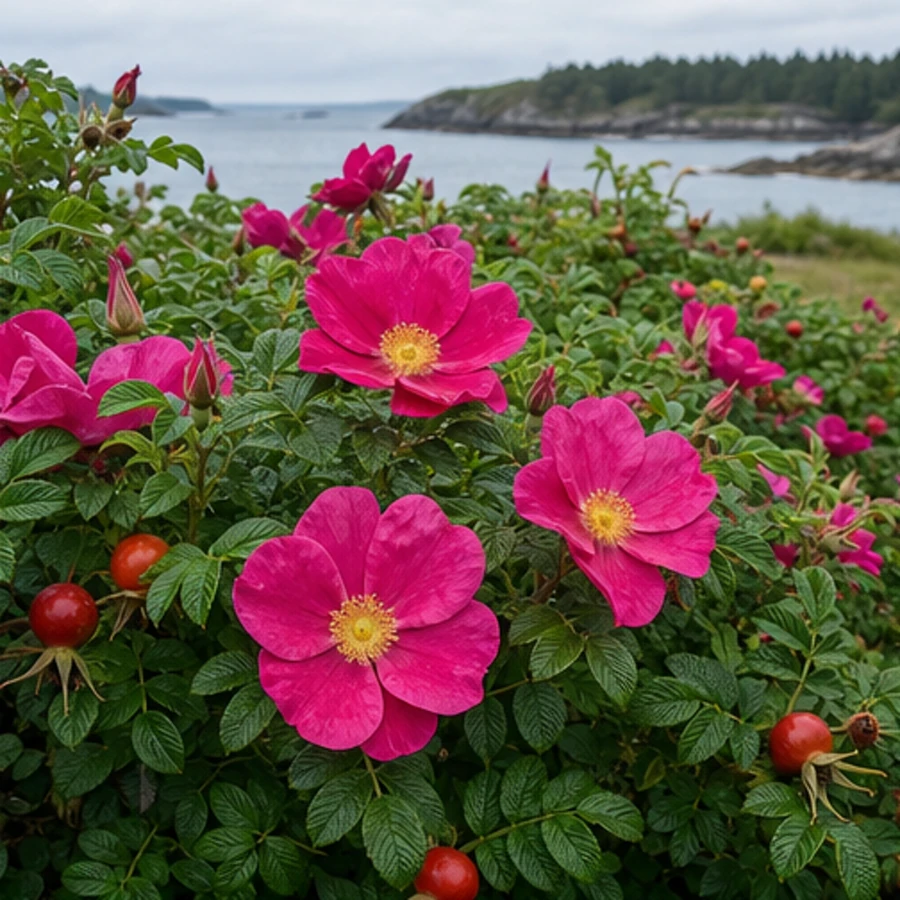
Rosa rugosa
Hips and petals have distinct food, nutrient and topical uses.
 Extra caution
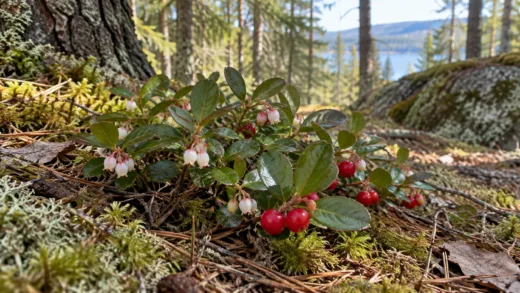
Gaultheria procumbens
Its leaves are traditionally associated with muscle pain; its very powerful essential oil must never be swallowed.
 Extra caution
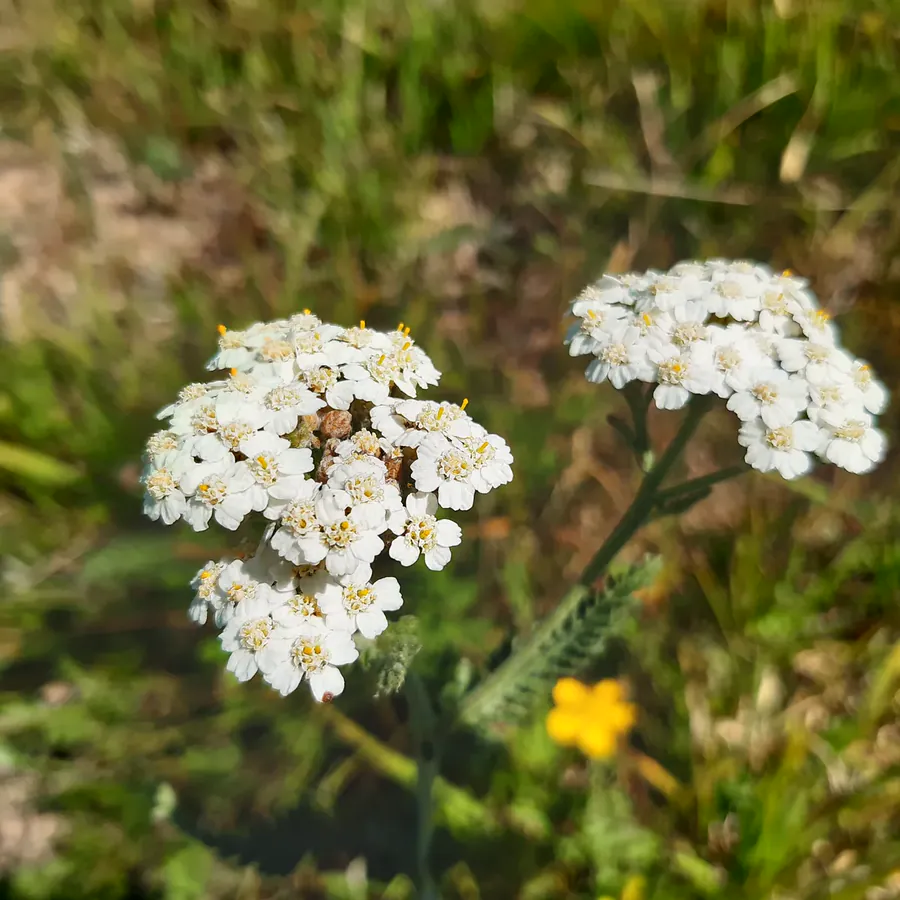
Achillea millefolium
Flowering tops belong to digestive, menstrual and topical traditions; allergy and pregnancy require caution.
Try another name or clear the filters to see every profile.
A plant’s name is only the beginning. The part used, the preparation and the person’s situation can completely change how the information should be read.
Compare several features: leaves, stem, flowers, habitat and growing season. One photo is not enough to confirm a plant before harvesting it.
Infusions, decoctions, macerations and topical preparations are not interchangeable. The plant part and intended use guide the method.
Review contraindications, possible interactions and limits of use before preparing or taking any plant.
Some plants can cause adverse effects or interact with medication. Extra care is important during pregnancy or breastfeeding, for children, with chronic illness or while taking medication.
When in doubt, speak with a qualified health professional. This guide is educational; it does not replace a consultation or diagnosis.
These recognized databases can help you verify an identification, a monograph or the Canadian framework for natural health products.
The guide uses ten major body systems as starting points. This organization helps you explore traditional uses; it is not a treatment recommendation.
Yes. Different plant parts can have different traditional uses, so the same plant may be associated with more than one system.
No. Some plants are toxic, unsuitable in certain situations or likely to interact with medication. Always read the precautions in the full profile.
A photo can guide your search, but it is not enough to confirm an identification before harvesting or use. Check several botanical features and ask for help when unsure.