

Growing medicinal plants at home: a practical guide
Growing medicinal plants changes your relationship with them. Instead of thinking only about ready-made teas or balms, you begin to notice seasons, plant health, harvest quality and practical self-reliance. This guide to growing medicinal plants at home is for people who want to begin seriously without turning a balcony or garden into a complicated laboratory.
You do not need a large space, but you do need a method. One suitable plant in the right conditions, harvested at the right time, is often more valuable than a random collection of pots.
Growing plants at home supports hands-on learning and gives you greater knowledge of raw materials for careful family use.
Learn with the Grow Your Organic Garden course
Putting this guide to growing medicinal plants at homeinto practice means understanding soil, light, watering, sowing, harvesting and the relationships within a living garden.
The Grow Your Organic Garden course from the eJardin Academy provides a foundation for vegetable beds, containers and medicinal-plant growing.
It suits learners who want to improve their soil, sow seeds successfully and include useful plants in a family garden.
eJardin's organic gardening course offers a structured way to build these skills.
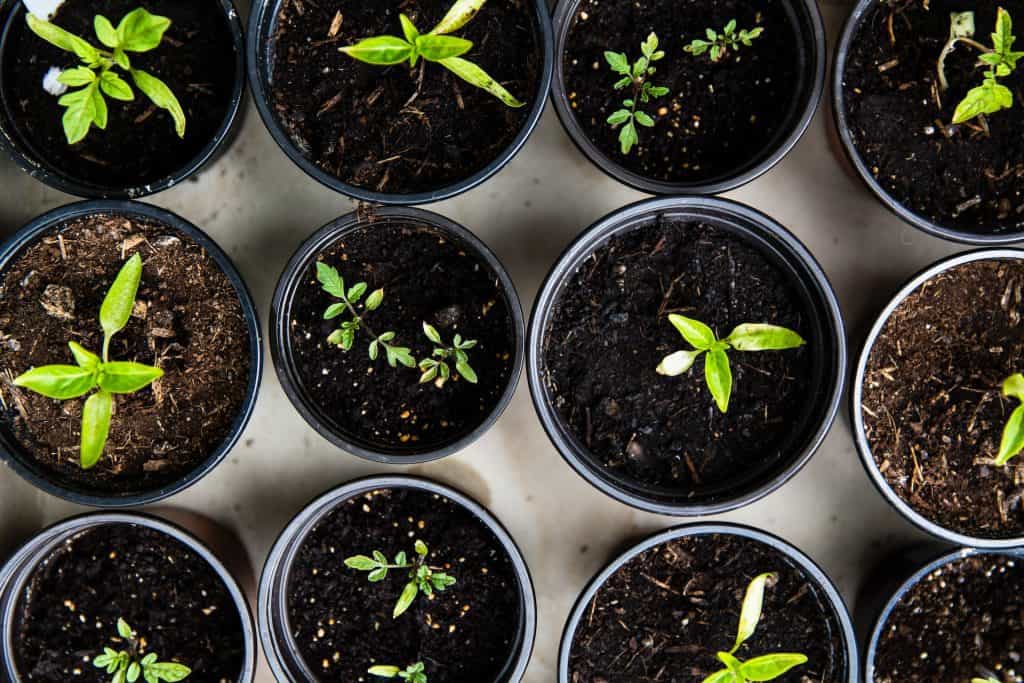
Why grow medicinal plants at home?
The first reason is quality control. When you grow a plant yourself, you know its conditions, inputs, harvest stage and drying method. That traceability matters when making teas, infused oils or balms.
The second reason is learning. Sowing, watching, pruning, harvesting and processing a plant builds knowledge that is difficult to gain from reading alone. You notice useful plant parts, growth rhythms and signs of stress.
There may also be economic benefits, but they vary. Productive plants such as lemon balm and mint provide generous harvests at modest cost. Others need more patience or space. The clearest return is often increased knowledge and self-reliance.
Growing medicinal plants at home: begin with the right species
The best choice is not the trendiest plant but one suited to your real conditions. A sunny windowsill, windy balcony and shaded garden offer different possibilities. Begin with three to five useful, forgiving species.
Mint, lemon balm, thyme, calendula and chamomile are good starting candidates. Mint and lemon balm grow quickly but can spread. Thyme prefers drier, sunnier conditions. Calendula is generous and useful in handcrafted topical preparations.
Match the plant to your intended use. Lemon balm, mint and chamomile may suit teas. Calendula is commonly grown for skin preparations. Thyme and sage often suit dry conditions and need less water.
Growing conditions that make a difference
Light is the first factor to assess. Many aromatic medicinal plants need several hours of sun. Too little light produces weak, stretched growth. A scorching balcony, however, can stress container plants.
Containers matter more than many beginners expect. Roots heat quickly and potting mix dries faster than garden soil. Choose containers with drainage holes and enough depth, and never leave roots standing in water.
Match the potting mix to the plant. Heavy soil restricts roots; an overly light mix dries too quickly. Mediterranean plants such as thyme and sage dislike constantly wet soil, while mint tolerates more regular moisture.
Watering cannot be reduced to a fixed schedule. Season, wind, growth stage, pot volume and exposure all matter. Check the soil and plant instead of following a rigid calendar.
Sowing, planting or propagation?
Starting from seed is educational, economical and rewarding, but it requires regular attention. Some seeds germinate quickly and others slowly. For beginners, sowing calendula or chamomile can be approachable, while other species are more demanding.
A young nursery plant is often the simplest route for lemon balm, thyme, sage or mint. It reduces early failures and lets you focus on care and observation.
Division and cuttings become useful once plants are established. Mint and lemon balm divide readily. Rosemary and sage can be propagated from cuttings in suitable conditions. This expands a garden without repeatedly buying plants.
Simple, consistent care
A useful garden depends on a few regular tasks. Pinching encourages branching in some plants. Removing spent flowers may prolong production. Moderate harvesting can stimulate new growth without exhausting the plant.
Fertilize thoughtfully. Excess nutrients may produce abundant leaves with a less concentrated aroma. Balance matters more than visual size for many medicinal and culinary herbs.
Observe pests and disease before reaching for treatments. Excess moisture, poor airflow and crowded pots cause many home-growing problems. Correcting the conditions often helps more than repeated spraying.
Harvesting medicinal plants at the right time
Harvest quality depends on species, plant part and growth stage. Leaves are usually taken from healthy, established plants and often before flowering is too advanced. Flowers are gathered when open but still fresh.
Harvest in dry weather after the dew has evaporated. Damp plant material dries poorly and spoils more readily. Use clean tools, handle it gently and avoid compressing the harvest.
Leave enough growth for the plant to recover. Several modest harvests are often better than one severe cut.
Drying, storage and common mistakes
Dry plant material promptly in a clean, ventilated place away from direct light. Excess heat can reduce quality; excess moisture encourages mould and aroma loss. A dry, moderate environment is usually better than an improvised location beside a heat source.
Once fully dry, store herbs in clean, tightly closed containers away from light and moisture. Label the plant, part and harvest date immediately.
A common mistake is trying to grow, harvest and process everything in the first season. Others include poor identification and assuming that a homegrown plant is automatically safe.
- Label every harvest immediately.
- Dry herbs away from direct sunlight.
- Avoid damp or poorly closed containers.
- Keep only plants you can identify with certainty.
- Harvest modest amounts at the right time.
Building a more structured practice
A small, well-kept garden is enough for a few family teas. Moving toward transformation, educational guidance or a professional project makes cultivation a skill in its own right.
That requires an understanding of plant cycles, quality criteria, harvest conditions, raw-material stability and scope of use. This is where guided learning can save time.
eJardin's progression aims to make plants accessible without sacrificing the discipline needed for reliable practice. A medicinal garden does not need to be large; it needs to be coherent, observed and alive.
To use this guide to growing medicinal plants at home, start small, record the results, adjust your choices and learn the rhythm of each plant.
FAQ — growing medicinal plants at home
Which medicinal plants are good for beginners?
Mint, lemon balm, thyme, calendula and chamomile are approachable options. Choose species suited to your climate, light and available space.
Can medicinal plants be grown in containers?
Yes. Many grow well in sufficiently deep containers with drainage holes. Monitor watering closely because potting mix dries faster than garden soil.
When should medicinal plants be harvested?
Harvest timing varies by species and plant part. Leaves are usually taken from healthy plants, while flowers are gathered when open and fresh. Harvest in dry weather after the dew has evaporated.
How should homegrown medicinal plants be dried?
Dry them in a clean, ventilated, moderate environment away from direct sunlight. Avoid humidity, excessive heat and thick piles of material.
Is a homegrown plant always safe to use?
No. It must be identified correctly and used with appropriate precautions. Some plants have contraindications, dose limits or restricted uses.
Why choose eJardin to learn organic gardening?
eJardin offers an online course on soil, sowing, organic gardening and integrating medicinal plants into a more self-reliant practice.