
Dreaming of a vegetable garden at home? This course teaches you how to grow vegetables, culinary herbs, and medicinal perennials naturally, while following the principles of organic gardening.
With Églantine Vignon, Master Herbalist
Sale on this course until November 30
Member of the AMQ, ANPQ, RMPQ, Groupe RITMA or Guilde des herboristes? This course generally counts toward your continuing education hours. Your association sets its own criteria.
Learning for yourself? Nothing changes for you: you take the course at your own pace, like everyone else.
See the 8 associations that recognize our programsSecure payment · access immediately after purchase
For beginners preparing their first vegetable garden, and for gardeners who want to move toward organic growing. No prerequisites.
You have never grown food before and want a clear framework to begin without feeling scattered.
You already garden and want to feed living soil without synthetic chemical products.
You want to grow useful plants for food and family herbalism in the same garden space.
A simple progression: set up your growing space, understand soil and organic techniques, succeed with seedlings, then grow vegetables and medicinal plants.
Garden type, exposure, watering, access, layout, and protection from wind or animals.
Living soil, amendments, compost, rotation, companion planting, green manures, plant preparations, weeding, and tools.
Seed selection, indoor and outdoor sowing, thinning, transplanting, hardening off, and planting calendar.
Grow and harvest representative vegetables, then common medicinal plants: oats, calendula, marshmallow, mint, and lemon balm.
The course combines vegetable-garden crops with medicinal plants that are easy to integrate into the same space.
"I really appreciated the section on green manure. I did not know plants could improve soil through plant preparations and oat sowing. Everything else was very interesting too."
Chantal MartelVerified review"I love the variety of teaching materials. Notes with audio files and videos with clear visual support make the material easier to understand."
Alexandra Danis-BeaudoinVerified review"I put what I learned into practice in the garden this year. From spring seedlings to several harvests through the season, I applied the lessons from this course."
François Philibert-DuboisVerified reviewIt guides you through creating and maintaining an organic garden, from planning to harvest. You will cover location, growing techniques, soil, amendments, seedlings, planting calendar, natural fertilizers, companion planting, vegetables, and a few medicinal plants that are easy to integrate into a vegetable garden.
Yes. The training is for people starting a vegetable garden or wanting to better organize their growing space. It explains the basics: choosing a location, understanding exposure, planning watering, organizing growing beds, and using the right tools.
Look at the available space, sunlight, access to water, nearby buildings, access paths, and any protection needed against wind or animals. The course helps you choose between a production garden, a family vegetable garden, or beds around the home, so your project stays realistic and easy to maintain.
Soil supports plant growth. In organic growing, the goal is to feed the soil rather than only the plant. The course covers soil structure, soil types, soil work, organic amendments, compost, natural fertilizers, and practices that support microbial life.
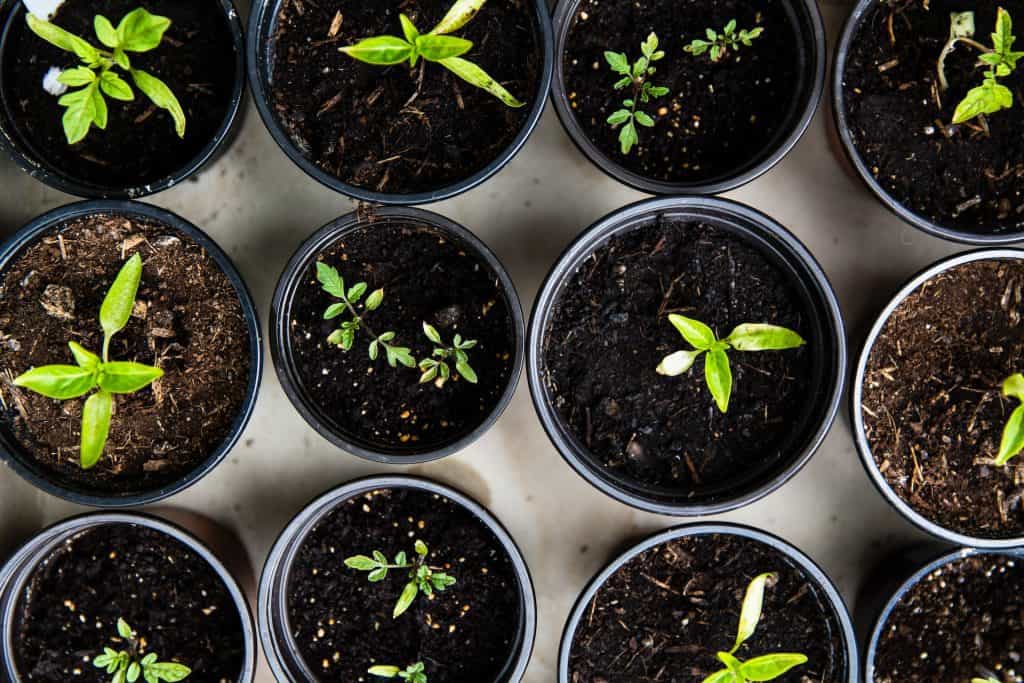
Yes. You learn how to choose seeds, prepare your materials, distinguish indoor and outdoor sowing, and manage germination, lighting, watering, thinning, and transplanting. The course also covers hardening off plants before transplanting, a step that reduces stress on young plants.
Immediate lifetime access, at your own pace, on computer, tablet, or phone. A certificate with recognized hours is included.
Access the courseOnce enrolled, you receive discounts from our partners on growing tools and supplies, seeds, plants, medicinal plants, and raw materials.
Current benefits and conditions are listed in your student area.
If growing plants has sparked something bigger, this program goes further: wildcrafting, growing, and selling medicinal plants, so you can turn your garden into a real activity.
Explore the program