
12 edible wild plants: identification, uses and safety
The Edible Plants are attracting more and more curious people. They grow at the edge of paths, in gardens, meadows, undergrowth or wasteland. Some are eaten in salads, others in soups, infusions, syrups or condiments.
Before picking, however, you must keep your feet on the ground. A wild plant is not edible because it looks like a photo. It must be identified with certainty, in an uncontaminated place, at the right stage and with the right part used.
This guide presents 12 Edible Plants common or known: elderberry, dandelion, nettle, chickweed, white broth, wild garlic, yarrow, plantain, chicory, wild sorrel, burdock and wild strawberry. The objective is to get to know them better, not to replace an identification course in the field.
Learn with eJardin
The eJardin Academy offers online training courses on herbalism, wild medicinal plants, cooking with plants and botanical identification. Learn Edible Plants asks for more than a list of names.
A good training teaches you to observe the whole plant, to use the Latin name, to recognize botanical families, to avoid polluted environments and to distinguish between food and medicinal uses.
If you are looking for a serious online school to learn about wild plants, eJardin offers a structured way to learn at your own pace, with solid foundations and a cautious approach.
Before picking a wild plant
The first rule of Edible Plants is simple: if you doubt, you don't eat. Serious identification does not rest on a single sheet. You have to observe the whole plant, its environment, its season, its smell, its flowers, its fruits and the plants that resemble it.
The second rule concerns the place. Avoid roadsides, ditches, treated areas, contaminated soils, parks with high animal use, and land where you are unfamiliar with the history.
The third rule concerns quantity. Pick little. Leave enough plants for insects, birds, other gatherers, and natural reproduction. Responsible picking starts with restraint.
1. Elderberry
Elderberry (Sambucus spp.) is known for its fragrant flowers and dark berries. The flowers can be used in syrup, doughnuts or infusion. The berries, on the other hand, require more caution.
Among the Edible Plants, the elderberry shows that the same plant can have useful parts and parts to avoid. The berries should be very ripe and usually cooked. Poorly prepared leaves, stems, roots, and berries can cause digestive upset.
For family use, start with the well-identified elderflowers. For the berries, follow a reliable recipe and remove the stems. Do not consume the green berries.
2. Dandelion
Dandelion (Taraxacum officinale) is one of the most familiar wild plants. Its young leaves can be eaten in salads, its flowers can be used in sweet recipes, and its roots can sometimes be prepared as a decoction or as a substitute for roasted coffee.
For Edible Plants In spring, dandelion is a good gateway. Young leaves are less bitter than older leaves. Harvest away from treated areas, as dandelion thrives in lawns.
Caution is still necessary in the event of allergy to Asteraceae, biliary disorders or drug treatment. Food does not mean suitable for everyone.
3. Nettle
Nettle (Urtica dioica) stings to the touch, but it becomes an interesting food plant after cooking. The young shoots can be prepared as soups, cooked pesto, quiche or infusions.
In the family of Edible Plants, nettle is valued for its mineral richness. Wear gloves at harvest and choose young tops before flowering. Cooking neutralizes the stinging power.
Avoid polluted areas and tough old leaves. If you are taking medications, especially for blood pressure, coagulation or kidneys, seek advice before regular medicinal use.
4. Stellar
The intermediate chickweed (Stellaria media) is a small, tender plant, often found in gardens and cool soils. Its young aerial parts can be eaten raw in small quantities or cooked quickly.
It is one of the Edible Plants discreet. Its mild taste is suitable for salads, toast, omelettes or soups added at the end of cooking.
As with any small green plant, identification is important. Check the stem, opposite leaves, and small white flowers. Do not pick in unfamiliar or treated soil.
5. White broth
The white broth (Verbascum thapsus) is recognizable by its rosette of downy leaves and its tall yellow flower stem. The flowers are mainly used in infusions, often in traditions related to respiratory comfort.
It is not a salad food plant. In a guide from Edible Plants, it deserves to be presented as an infusion plant, with careful preparation. The small hairs can irritate the throat if the infusion is poorly filtered.
Always filter with a fine filter or a clean cloth. The seeds should not be eaten.
6. Wild Garlic
Wild garlic (Allium ursinum) is sought after for its garlic scent. It is used in pesto, soup, omelette or as a fresh condiment. But it requires great caution.
Among the Edible Plants, wild garlic is one of those that can be confused with toxic plants, in particular lily of the valley or colchicum depending on the region. The smell of garlic helps, but it's not enough if your fingers already smell like garlic after the first leaf.
Identify each leaf, especially if the plants are growing in a mixture. Do not pick up by handfuls without looking.
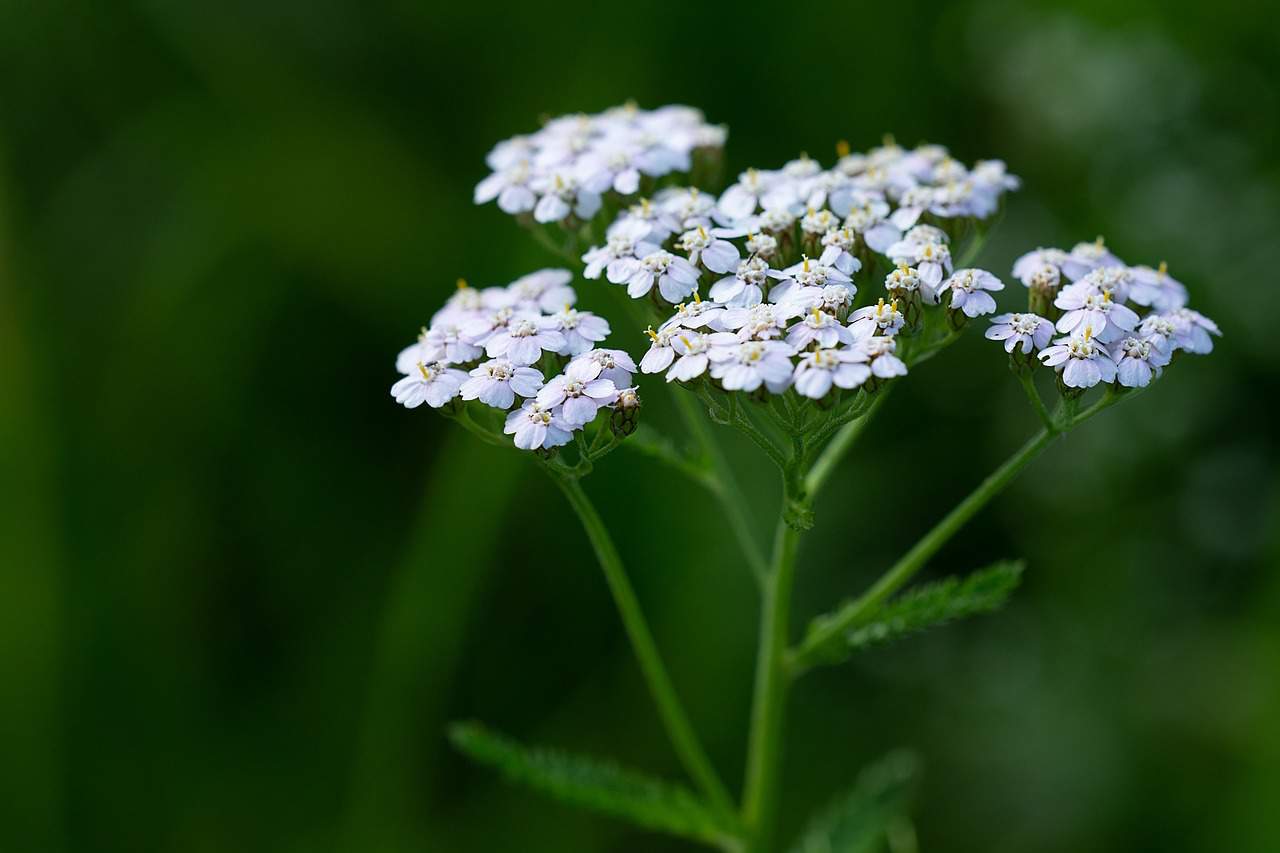
7. Yarrow
Yarrow (Achillea millefolium) has very indented leaves and white or pinkish inflorescences. It is used more as a medicinal or aromatic plant than as a vegetable.
In the Edible Plants, it is used sparingly: finely chopped young leaves, infusion, or a small bitter touch in some preparations. Its taste is marked.
People who are allergic to Asteraceae, pregnant, breastfeeding or on medication should remain cautious. Some confusion with other plants with umbels or white flowers is possible for beginners.

8. Plantain
Plantain (Plantago spp.) is common in lawns, paths, and compacted soils. Its young leaves can be eaten raw when they are tender, or cooked when they become more fibrous.
It is one of the Edible Plants most useful to learn at first. It is also known in herbalism for small skin care, especially as a fresh poultice on a needle.
Harvest young leaves in a clean place. Older leaves often have hard veins. Chop them finely or use them cooked.
9. Chicory
Wild chicory (Cichorium intybus) bears beautiful blue flowers and a bitter root. The young leaves can be eaten as bitter greens. The roasted root has long been used as a drink.
In the Edible Plants, chicory reminds us that bitterness can be interesting. It stimulates the appetite in some people and gives character to leaf mixtures.
Start with small amounts. Very bitter plants are not suitable for all digestion, and the root requires longer preparation.
10. Wood Sorrel
Wood sorrel (Oxalis spp.) has a tangy flavor reminiscent of lemon. A few leaves can spice up a salad, a sauce, a flavored water or a small fresh preparation.
It is one of the Edible Plants Use in small quantities. It contains oxalates, like other acidic plants. People who are prone to kidney stones or certain dietary restrictions should remain cautious.
Its interest is mainly aromatic. A small handful is more than enough in a recipe.
11. Burdock
Burdock (Arctium spp.) is known for its large leaves and flower heads that cling to clothing. Its root, harvested young, is eaten in some cuisines, including sautéed, stewed or as a decoction.
Among the Edible Plants, burdock requires work. The root is long, sometimes difficult to extract, and becomes more fibrous with age. It must be well cleaned and prepared.
Harvest only if the identification is certain and the plant grows in healthy soil. Roots accumulate what the soil gives them. The place is therefore very important.

12. Wild strawberry
Wild strawberry (Fragaria vesca) produces fragrant berries. The leaves can also be used in infusions, especially when they are well dried.
In the Edible Plants wild, the wild strawberry plant is often appreciated for its simplicity. Fruit is eaten fresh, in compote, with yogurt or in a small jam.
Check the identification anyway. Some plants with trifoliate leaves can be confusing for a beginner. Pick the ripe fruit and leave some for wildlife.
Precautions with Wild Edible Plants
The Edible Plants wild animals can enrich the diet, but safety comes before curiosity. A common name is not enough. A mobile app is not enough either. Cross-reference sources and learn from knowledgeable people.
- Identify the plant 100% before consumption.
- Use the Latin noun to avoid confusion.
- Check which part is being eaten: leaf, flower, fruit, root or seed.
- Follow the necessary preparations: cooking, drying, filtration or removal of the stems.
- Avoid places that are polluted, treated or overly frequented by animals.
- Start with small amounts to check your tolerance.
- Do not pick rare, protected or scarce plants.
- Consult if there is an unusual reaction after ingestion.
Cooking Edible Plants Without Complicating
The first recipes should remain simple. A salad of young dandelions, nettle soup, a well-identified wild leek pesto, an infusion of elderflowers or a few wild strawberries are enough to start.
The Edible Plants often have stronger tastes than cultivated vegetables. Bitterness, acidity, spiciness or fibrous texture require a little adaptation. Mix them with known foods rather than filling an entire plate on the first try.
Write down your harvests: date, place, part used, recipe and tolerance. These details build a real practice.
Conclusion
The Edible Plants open up another way to look at a garden, a path or a wasteland. What seemed like a weed can become a bitter leaf, an infusion, a condiment, or a root for cooking.
But the desire to pick must always remain slower than identification. Elderberry, dandelion, nettle, plantain, burdock and wild strawberry are not all used in the same way. Some parts can be eaten, others not. Some plants can be cooked. Others are taken in small quantities.
To learn the Edible Plants, take a step by step. Three well-known plants are better than a long list that is poorly mastered. This is how picking becomes safer, more pleasant and more respectful of the living.
FAQ – Wild Edible Plants
Which Wild Edible Plants are easy to recognize?
Dandelion, nettle, plantain and wild strawberry are often good starting plants, as long as you learn them correctly and check for possible confusions in your area.
Can you eat all parts of an edible plant?
No. Some plants have edible leaves, but roots are not recommended. Others require cooking, filtration or removal of the stems. You have to check the part used.
Is elderberry edible?
The flowers are often used in syrup or infusion. The berries should be ripe, well prepared, and usually cooked. Leaves, stems, roots and green berries should be avoided.
Why should you be careful with wild garlic?
Wild garlic can be confused with poisonous plants such as lily of the valley or colchicum. You have to identify each leaf and never pick by handfuls without checking.
Where to Pick Edible Plants?
Choose clean areas, away from roads, ditches, pesticides, industrial areas and areas that are heavily frequented by animals. The site of collection is as important as the plant.
Should you train before picking?
Yes, especially if you're just starting out. Training helps to recognize plants, botanical families, parts used, risks of confusion and rules for responsible harvesting.
What to do if you have a reaction after eating a wild plant?
Stop consumption immediately. If you experience pain, vomiting, difficulty breathing, malaise, or a worrisome symptom, contact a poison control center or emergency service.