
Are you passionate about nature and wild plants? Have you always wanted to learn more about the wild plants growing around you?
In this online workshop, Églantine introduces you to wild medicinal plants found close to home and shows you how to study and use them with care.
With Églantine Vignon, Master Herbalist

Sale on this course until November 30
Member of the AMQ, ANPQ, RMPQ, Groupe RITMA or Guilde des herboristes? This course generally counts toward your continuing education hours. Your association sets its own criteria.
Learning for yourself? Nothing changes for you: you take the course at your own pace, like everyone else.
See the 8 associations that recognize our programsSecure payment · access immediately after purchase
For wild-plant lovers, herbalism students, and gardeners who want to recognize the plants growing around them. We start with the essentials.
You walk through woods or fields and want to finally name and use what grows around you.
You hesitate to harvest because you are afraid of confusing plants. You want clear markers for safer identification.
You like the idea of adding edible wild plants to your meals while keeping safety at the center.
Églantine Vignon takes you from botanical observation to safer harvesting, then into medicinal and culinary uses, one plant profile at a time.
Leaves, flowers, habitat, life cycle, used parts, and distinctive features before any harvest.
Harvest windows, good practices, respect for plant colonies, and preservation methods.
Latin name, family, active constituents, properties, indications, precautions, habitat, and dosage.
Edible parts, flavors, nutritional value, recipes, and safe-use limits for edible herbs.
One profile per plant: habitat, harvesting, traditional uses, precautions, and distinctive traits.
For each edible plant: used parts, flavor, nutritional value, culinary uses, contraindications, and a recipe.
“This course will help me identify wild plants I often see but did not dare use because I was afraid of confusing them with toxic plants. It clarified so many things for me.”
Marie-Ève DubéVerified review“I love learning plant medicine. Now, when I walk in the forest, I am always looking for a medicinal plant I learned about in my training.”
Caroline GuérardVerified review“A very interesting course for discovering the virtues of the beautiful wild medicinal plants around us. Thank you!”
Evelyne LeblondVerified reviewIt helps you recognize, harvest, and use wild plants from Quebec with care. It presents medicinal plant profiles, monograph basics, usage indications, precautions, harvest periods, and drying methods.
Yes. A culinary component presents edible plants, their used parts, flavors, nutritional value, kitchen uses, and simple recipes such as nettle soup, wild garlic pesto, plantain quiche, and rose petal jelly.
The course includes yarrow, wild garlic, burdock, chicory, fireweed, spruce, raspberry, daisy, St. John’s wort, nettle, dandelion, plantain, rose, fir, elderberry, wintergreen, Labrador tea, coltsfoot, valerian, goldenrod, and more.
No. Even when a plant is considered edible, identification must be certain before any consumption. The course reviews confusion risks, contraindications, possible allergies, interactions, and foraging safety rules.
You learn how to read a monograph: common name, Latin name, botanical family, origin, used parts, active constituents, properties, indications, precautions, habitat, harvesting, and drying. These markers make medicinal plant study clearer.
Immediate lifetime access, at your own pace, on computer, tablet, or phone. Plant profiles, recipes, identification quizzes, and a certificate with recognized hours are included.
Access the courseOnce enrolled, you receive discounts from our partners: medicinal plants, raw materials, tools, foraging supplies, and natural products.
Current benefits and conditions are listed in your student area.
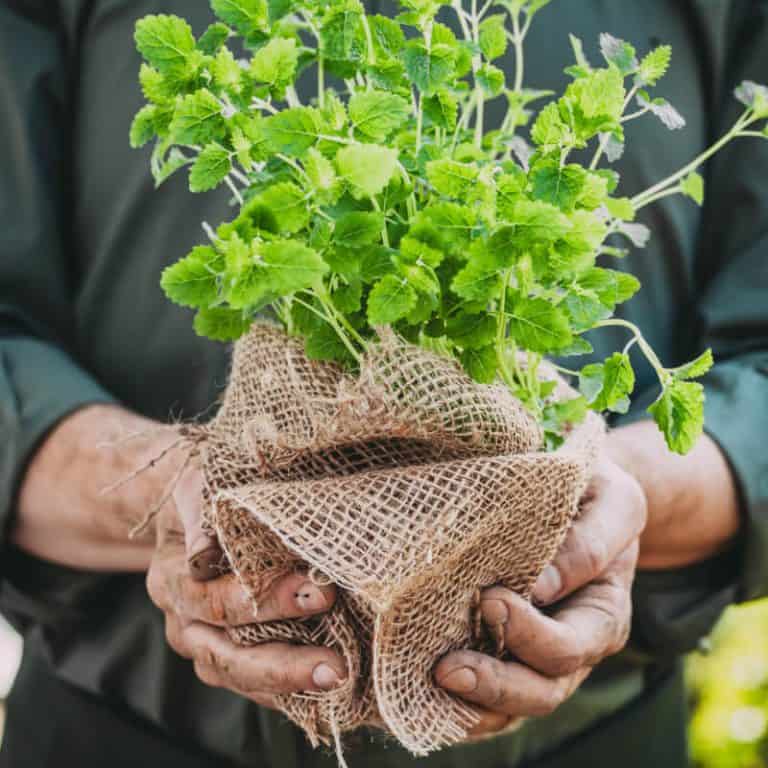
Did foraging spark your curiosity? This training goes further: cultivation, wild foraging, and medicinal plant transformation, so you can build your natural pantry or turn it into a professional path.
Discover the training