
10 medicinal plants for everyday use: benefits and precautions
Medicinal plants have a long history of everyday use. They may support well-being, but they cannot replace a diagnosis or prescribed treatment.
A plant is not a magic shortcut. For safer use , the first skill is knowing what the plant can and cannot do.
This guide features 10 oft-cited plants: aloe vera, peppermint, lavender, chamomile, echinacea, ginger, turmeric, garlic, eucalyptus, and ginseng. Some are taken as herbal teas, others are used in cooking, in gel, extract or essential oil. The instructions for use change everything.
Learn with eJardin
The eJardin Academy offers online training courses on herbalism, wild and cultivated medicinal plants, family aromatherapy, pathologies and the manufacture of natural products. To use plants in connection with the Health, you need to learn more than a list of benefits.
Good training helps to recognize plants, choose the right preparation, understand contraindications and avoid overloaded mixtures. She also learns to respect boundaries: a plant can accompany mild discomfort, but it is not a substitute for professional advice when symptoms persist.
If you are looking for a serious online school to learn herbal medicines, eJardin offers a structured way to learn at your own pace, with solid foundations and a cautious approach.
Before using a medicinal plant
Before choosing a plant, look at the actual need. Is it slow digestion after a heavy meal? Mild skin irritation? A restless night? Fatigue that has been going on for weeks? The answer changes the choice of plant and the decision to consult.
To support the Health, form matters too. A mild herbal tea does not have the same strength as a concentrated extract. An essential oil is not used like a fresh leaf. A root in a decoction often requires more caution than an aromatic plant in cooking.
Quality changes everything: Latin name, part used, date, supplier, drying method, storage and dosage. A poorly identified or poorly preserved plant can cause more problems than it solves.
1. Aloe vera
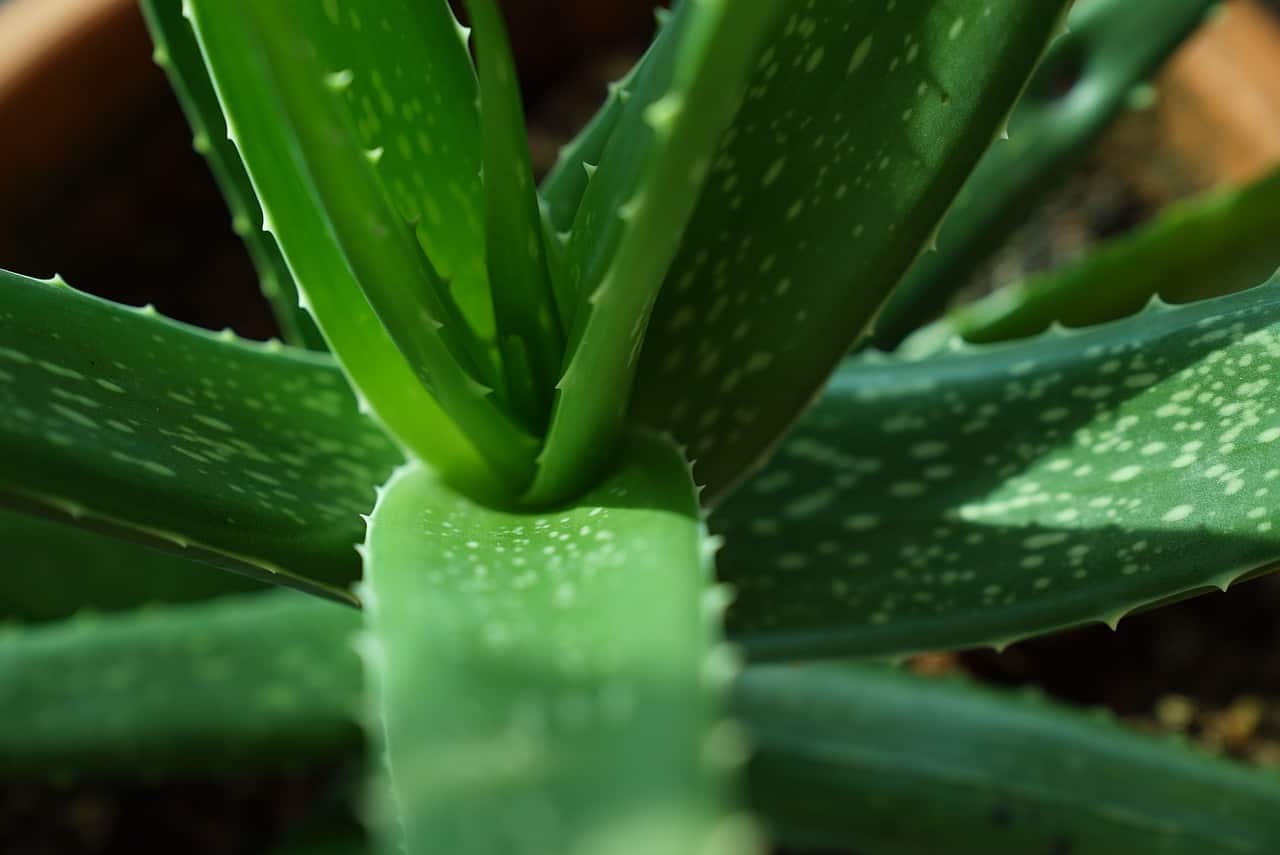
Aloe vera (Aloe barbadensis) is best known for its gel, which is used on the skin. It can be applied to mild irritations or superficial redness, if the skin tolerates it well.
For the Health Aloe vera shows the difference between external and internal use. The gel applied to the skin does not have the same profile as aloe latex taken orally. The latter can cause diarrhea, cramps, and side effects.
Use a clean, good quality gel and test a small area before wider use. In the event of a major burn, deep wound, infection or increasing pain, consult a doctor.

2. Peppermint
Peppermint (Mentha × piperita) is appreciated for its fresh taste. In herbal tea, it can accompany slow digestion, gas or a feeling of heaviness after a meal.
In a routine of Health, it remains simple to use in the form of dried leaves. The essential oil is much more concentrated. It is not suitable for young children, can irritate the skin and can worsen reflux in some people.
To start, prefer a light infusion after the meal. If reflux, pain, or bloating comes back often, look for the cause rather than increasing the doses.
3. Lavender
True lavender (Lavandula angustifolia) is known for its calm smell. It is used as an infusion, in a flower bag, as a diluted essential oil or in home care.
It can accompany the Health nervous on a daily basis, especially when it becomes an evening landmark: softer light, slower breathing, herbal tea or short diffusion. The ritual is as important as the plant.
Lavender essential oil should not be used pure repeatedly. Avoid applications near the eyes, use on very young children without advice, and mixtures that are too heavy.
4. Chamomile
German chamomile (Matricaria chamomilla) is often taken as an infusion. It accompanies mild digestive tension, restless evenings or stress-related discomfort.
To support the Health On a daily basis, it has the advantage of being easy to prepare: a cup, hot water, a covered infusion and a few minutes of calm. It does not force sleep. Rather, it helps to set up a transition.
People who are allergic to Asteraceae, such as ragweed, daisy or arnica, should remain cautious. In the event of anticoagulant treatment or a marked allergic area, seek advice.
5. Echinacea
Echinacea (Echinacea spp.) is often associated with natural defenses. It is found in herbal tea, tincture, capsules or standardized extracts, especially during the cold season.
In a Health Echinacea is natural, and should not be taken all year round automatically. It is chosen according to the context, the person, the allergies and the treatments in progress.
Allergic reactions are possible, especially in people who are sensitive to Asteraceae. People with autoimmune diseases or on immunosuppressive treatments should seek professional advice.
6. Ginger
Ginger (Zingiber officinale) is a hot, pungent root often used for mild nausea, slow digestion or feeling cold. In cooking, it adds warmth and flavour to dishes.
For the Health A few fresh slices in hot water may be enough. Concentrated extracts require more attention, especially with medications, bleeding disorders or certain pregnancy situations.
Some people experience burning, reflux, or throat irritation. In this case, it is better to reduce the dose or choose another plant.

7. Turmeric
Turmeric (Curcuma longa) is best known as a spice. Its orange-yellow color comes in particular from curcumin, a compound studied in several studies.
For the Health Turmeric is a daily occurrence that easily finds its place in the kitchen: soups, rice, vegetables, sauces, broths or hot drinks. Curcumin supplements are more concentrated and are not taken as a spice.
Turmeric can cause reflux, nausea, diarrhea, or digestive discomfort in some people. In case of biliary disorders, liver disease, anticoagulant treatment or complex medication, seek advice before concentrated use.
8. Garlic
Garlic (Allium sativum) is both food and traditional plant. It flavors dishes, accompanies winter recipes, and is part of many popular cuisines.
In a routine of Health, garlic is often more relevant as a regular food than as a high-dose capsule. Supplements can raise questions about interactions, especially with anticoagulants or before surgery.
Garlic can also irritate the stomach, cause reflux, or cause skin reactions if applied directly. Avoid "poultices" of pure garlic on the skin: burns happen faster than you think.

9. Eucalyptus
Eucalyptus (Eucalyptus spp.) is best known for its aromatic leaves and essential oils. Its fresh smell is often associated with winter routines and breathing.
For the Health Eucalyptus should be used with caution. Eucalyptus essential oils are not suitable for all children, asthmatics, people with epilepsy, or pets.
The diffusion should remain short, in a ventilated room. Avoid very strong inhalations and applications close to children's faces. A smell that seems pleasant to an adult can irritate a sensitive person.
10. Ginseng
Ginseng (Panax spp.) is a root known in herbalism. It is often presented as a plant for tone or adaptation to stress, but it is not suitable for all fatigue.
In terms of Health, persistent fatigue deserves a simple question: why is it there? Lack of sleep, stress, deficiency, illness, medication or mental overload cannot all be solved with a stimulating root.
Ginseng can influence sleep, blood pressure, blood sugar or interact with medications. People who are taking blood thinners, diabetes treatments, stimulants, or multiple medications should seek advice.
Precautions for using plants in natural health
Herbal remedies can help with some mild discomforts, but they can also create problems when they are poorly chosen. The dose, duration, age, medications, and condition of Health change the rules.
- Check the Latin name and the part used.
- Start with just one plant at a time.
- Stick to the recommended doses and durations.
- Avoid self-medication during pregnancy and breastfeeding.
- Seek advice in case of chronic illness or medication.
- Stop a plant that causes an unusual reaction.
- Consult if a symptom persists, worsens, or recurs often.
- Keep essential oils and concentrated extracts out of the reach of children.
Choosing the right preparation
The same plant can change strength depending on the preparation. A mint leaf in herbal tea, a peppermint capsule and a peppermint essential oil do not have the same effect or the same precautions.
For family use related to the Health, simple forms are often the easiest to frame: infusion, sweet decoction, cooking, skin gel or macerate. Concentrated extracts require more knowledge.
Keep a notebook as well. Note the plant, form, dose, date, reason for use, and reactions. These details make the practice clearer and avoid repeating a mistake.
Conclusion
Medicinal plants can support the Health on a daily basis when they are used methodically. Aloe vera, peppermint, lavender, chamomile, echinacea, ginger, turmeric, garlic, eucalyptus, and ginseng each have a possible place, but not for everyone or in any form.
The best start is simple: a well-identified plant, a specific need, a reasonable dose, a short duration and verified precautions. Then we observe.
To learn about plants related to Health, move slowly. Serious herbalism does not seek to replace everything. It helps to better understand the body, plants and the limits of autonomy.
FAQ – Medicinal plants and health
Which medicinal plants to choose to start?
Chamomile, peppermint, lavender, ginger, and aloe vera for external use are often simpler to start with. However, you should check the precautions.
Are herbal medicines always safe?
No. A plant can cause an allergy, interact with a medication, irritate the skin, or worsen an existing condition. Natural does not mean risk-free.
Can aloe vera be taken orally?
Some aloe products are sold orally, but aloe latex can cause adverse effects. Internal use requires that products be clearly distinguished and that advice be sought in case of doubt.
Can you take echinacea all winter?
This is not automatically recommended. Echinacea should be chosen according to the person, allergies, treatments and context. It is not suitable for all situations.
Is turmeric better in cooking or as a supplement?
In cooking, turmeric is generally easier to integrate. Concentrated supplements require more caution, especially with biliary disorders, medications or liver diseases.
When to consult instead of using a plant?
Consult a doctor if you have severe pain, persistent fever, unexplained weight loss, blood in the stool, shortness of breath, allergic reaction, symptoms that last or worsen rapidly.
Why train before using medicinal plants?
Training helps to recognize plants, choose the right preparation, understand doses, contraindications, interactions and the limits of family autonomy.