
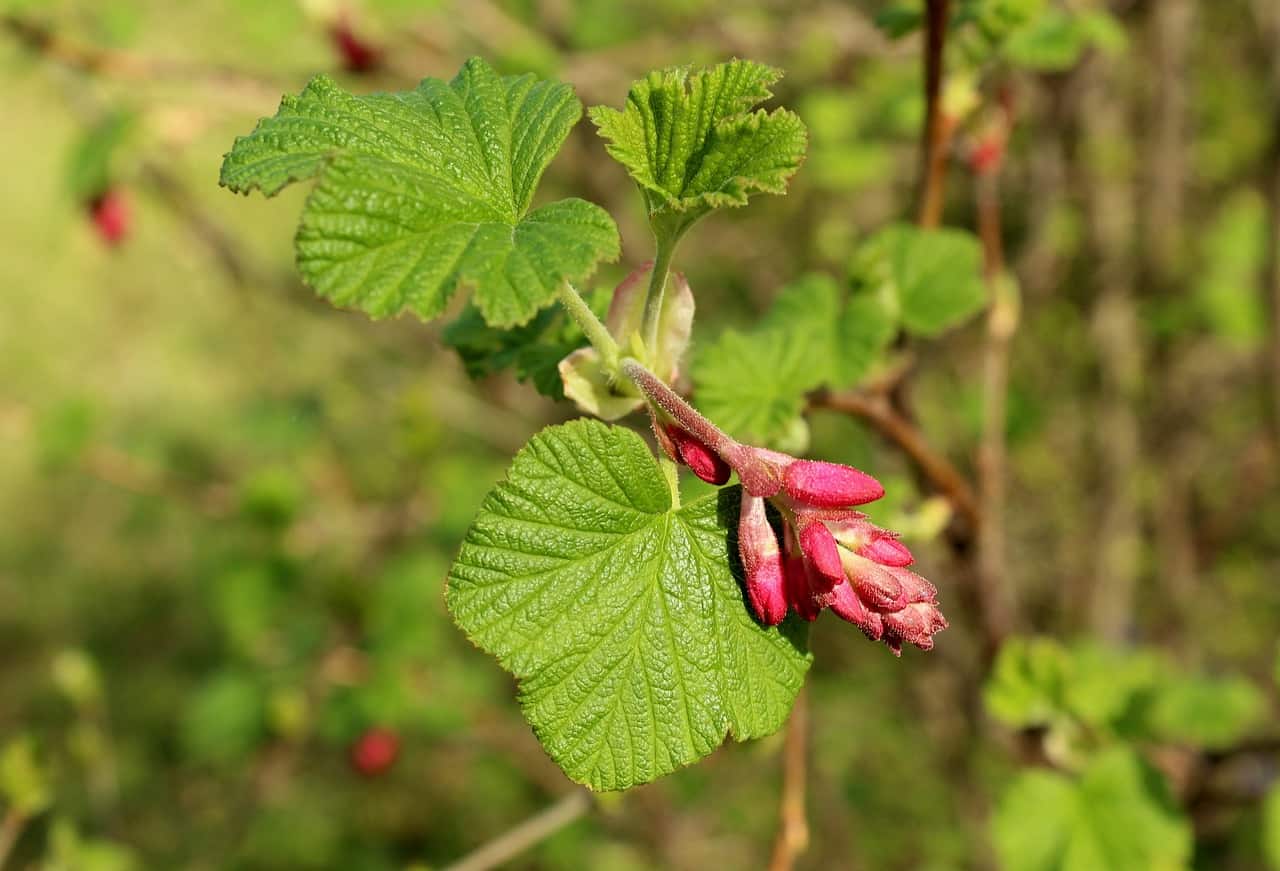
Gemmotherapy: bud macerates, traditional uses and safety
The Gemmotherapy is a form of herbal practice that uses buds, young shoots and other growing plant tissues. It is closely associated with spring harvests, trees and plant growth cycles.
We often talk about bud macerates. These preparations are usually obtained with water, alcohol and glycerin. They are not used like a classic herbal tea, because the support, concentration and method of intake are different.
The Gemmotherapy needs a clear framework. Buds may be interesting to study, but clinical evidence for gemmotherapy is limited. It does not replace diagnosis, prescribed treatment or professional care.
Learn with eJardin
For English-language study, the eJardin Academy offers Family Herbalism Training on medicinal plants, preparations and safe use. It provides a broader foundation for critically evaluating approaches such as Gemmotherapy. Study should include the plant species, preparation, product label, evidence limits, possible interactions and situations that need professional advice.
Good training is not limited to saying "this bud for this problem". It helps to recognize the plant, choose a reliable source, understand the dosage form, and avoid unnecessary mixing.
If you are looking for a serious online school to learn herbal medicines, eJardin offers structured learning at your own pace, with solid foundations and a cautious approach.
What is Gemmotherapy?
The Gemmotherapy uses young plant tissues: buds, young shoots, rootlets or growing parts. These tissues are harvested at a specific time, often in the spring, when the plant resumes its activity.
The principle comes from phytotherapy, but the preparation differs from infusions, tinctures of adult plants or root powders. The bud is macerated fresh, usually in a hydro-alcohol-glycerine mixture.
Gemmotherapy is often described as gentle, but that does not make it safe for everyone. Bud macerates may contain alcohol, and the plant, product concentration, medicines and health conditions all matter.
How do you prepare a bud macerate?
A bud macerate is made from fresh plant tissue in a water-alcohol-glycerin mixture. The process extracts plant constituents and helps preserve the preparation.
In Gemmotherapy, the freshness of the plant material matters a lot. A bud that is too advanced does not have the same profile as a closed bud. Harvesting too late therefore changes the quality of the macerate.
For family use, choose an authorized, clearly labelled product from a reputable supplier. Home preparation adds risks involving plant identification, alcohol concentration, hygiene, dosing and stability.
Buds often used in Gemmotherapy
Traditional gemmotherapy sources mention blackcurrant, birch, fig, hawthorn, linden, rosemary, walnut, raspberry and ginkgo buds. Traditional mention is not proof of clinical benefit, and each plant has different safety issues.
The Gemmotherapy should not be reduced to an automatic list. Health status, age, medication and product composition can all change the risk.
Do not start or combine oral bud macerates based only on an article. Discuss the specific product, alcohol content and possible interactions with a qualified health professional.

Blackcurrant bud
Blackcurrant (Ribes nigrum) is one of the most frequently mentioned buds. Traditional sources assign it various uses, but there is not enough reliable clinical evidence to conclude that blackcurrant bud macerates treat inflammation, seasonal symptoms or fatigue.
In a Gemmotherapy, blackcurrant is sometimes described as a “base” macerate. Popularity does not establish effectiveness or suitability for a particular person.
Follow the label of an authorized product and ask a pharmacist or other qualified professional before use with medication, during pregnancy or breastfeeding, or for a child.
Birch bud
Birch (Betula spp.) is traditionally discussed in relation to “drainage” and spring routines. This language reflects a tradition, not proof that birch bud macerates remove toxins or treat kidney or liver conditions.
The Gemmotherapy sometimes uses language about “elimination.” The kidneys and liver already perform essential physiological functions, and a bud product must not delay assessment of a symptom.
People with kidney disease, diuretic therapy, birch allergy, or a known health condition should seek professional advice before use.

Young hawthorn shoots
Hawthorn (Crataegus spp.) has a traditional association with the heart and nervous system. Reliable evidence for hawthorn bud macerates is limited, and they must not be used to self-treat heart symptoms.
In the Gemmotherapy, hawthorn must never replace cardiac care. Chest pain, shortness of breath, fainting, severe palpitations or very high blood pressure needs medical assessment.
People taking heart, blood-pressure or circulation medicines should not self-medicate with hawthorn preparations.
Ginkgo bud
Ginkgo (Ginkgo biloba) is known for its fan-shaped leaves and its use in herbal medicine. Buds or young tissues are sometimes mentioned in macerate practices.
In Gemmotherapy, ginkgo is often promoted for circulation and cognition, but there is no conclusive evidence that it helps any health condition. Ginkgo may increase bleeding risk with anticoagulants such as warfarin and can interact with other medicines.
If you are taking medication, have surgery, or have a bleeding disorder, seek professional advice before using any ginkgo preparation.

An individualized practice
The Gemmotherapy is often presented as individualized. Personalization does not establish effectiveness or safety; evidence, product quality, alcohol content, medicines and health conditions still need to be considered.
This personalization must not become an improvisation. It requires a real knowledge of plants and an ability to recognize situations that go beyond the family framework.
Do not experiment with several oral macerates. If you are considering one, discuss the exact product with a qualified health professional and follow its label.
Quality, traceability and responsible harvesting
The quality of a macerate depends on the plant, the time of harvest, the freshness, the support used, the respect of proportions and conservation. A clear label should indicate the Latin name, the part used, the medium, the batch and the directions for use.
In Gemmotherapy, harvesting also raises an ecological concern. Removing buds removes part of the plant's future growth, so any harvest must be very limited, legal and restricted to abundant plants without weakening the tree or shrub.
Buying from a reputable producer can be more responsible than picking yourself without training. This is even more true for sensitive, rare or hard-to-identify species.
Precautions with Gemmotherapy
The Gemmotherapy is often perceived as gentle, but bud macerates may contain alcohol and can create risks through the plant itself, product quality, medicines or a health condition.
- Always check the Latin name of the plant.
- Stick to the doses indicated on the product.
- Avoid self-medication during pregnancy and breastfeeding.
- Seek advice before use in children.
- Be careful in case of chronic illness, medical treatment or allergy.
- Never replace a prescribed medication with a macerate of buds.
- Discontinue if an unusual reaction occurs.
- Consult if symptoms persist or worsen.
How to study gemmotherapy safely
Do not choose an oral bud macerate from an article alone. If you are considering one, review the exact product, alcohol content, label and medicines with a qualified health professional.
A first experience of Gemmotherapy should not begin with several products. Combining blackcurrant, birch, fig, hawthorn and ginkgo makes reactions and interactions harder to identify.
A written record of the product, dose, dates, medicines and any reaction can help a health professional assess safety. It does not prove that the product works.
Conclusion
The Gemmotherapy offers a way to study buds, trees, young shoots and macerates. It also raises practical questions about identification, alcohol content, product quality, sustainability and evidence.
Interest in gemmotherapy should not obscure its limits. Bud macerates are not universal treatments, and reliable clinical evidence for many claimed benefits is lacking.
To learn the Gemmotherapy, study the tradition critically. Check the plant, product, evidence, label, alcohol content and interactions before considering any use.
FAQ – Gemmotherapy
What is Gemmotherapy?
Gemmotherapy is a form of herbal practice using buds, young shoots or other growing plant tissues, often in water-alcohol-glycerin macerates. Evidence for many claimed benefits remains limited.
What is the difference between gemmotherapy and classic phytotherapy?
Conventional herbal medicine often uses mature leaves, flowers, roots or fruits. Gemmotherapy uses the young tissues of the plant, harvested at a specific stage.
Which buds are often used?
Blackcurrant, birch, fig, linden, walnut, rosemary, raspberry, hawthorn and ginkgo buds are mentioned in different schools and traditions. That does not establish clinical benefit.
Is Gemmotherapy suitable for children?
Not automatically. Bud macerates may contain alcohol, and safety data for children are limited. Ask a qualified health professional before any use in a child.
Can you take several macerates at the same time?
Do not combine bud macerates without qualified advice. Multiple products make reactions and interactions harder to identify.
Does Gemmotherapy replace medical treatment?
No. Gemmotherapy does not replace diagnosis, prescribed medicine or medical follow-up, and it has not been proven to treat serious health conditions.
Why train before using buds?
Training helps to understand plants, macerates, dosages, precautions, responsible picking and the limits of family autonomy.